Cotton yarn prices up 60%: AEPC urges Goyal, Singh to regulate exports
Synopsis
Cotton yarn prices have jumped 60% in months — and India's apparel exporters say the window to capitalise on new FTA markets and post-UFLPA demand shifts is closing fast. AEPC is pressing two Union ministers to act before rising input costs cancel out India's biggest trade opportunity in years.
Key Takeaways
AEPC wrote to Piyush Goyal and Giriraj Singh on 29 August urging regulation of cotton yarn exports.
Cotton yarn prices have risen 60% , from ₹250 per kg in early 2026 to nearly ₹400 per kg .
Finished garments fetch ₹800–₹1,200 per kg versus ₹325 per kg for yarn — a value-addition case for export curbs.
Rising exports to Bangladesh and Vietnam , driven by US UFLPA restrictions on Chinese cotton, are tightening domestic supply.
The AEPC warned the surge threatens India's competitiveness in new FTA markets including the UK and New Zealand .
The Apparel Export Promotion Council (AEPC), India's apex body for apparel exporters, on Saturday, 29 August wrote to Union Commerce and Industry Minister Piyush Goyal and Union Textiles Minister Giriraj Singh, urging the government to regulate exports of cotton yarn amid a 60% surge in prices — from approximately ₹250 per kg in early 2026 to nearly ₹400 per kg currently. The council argued that competitive access to the key raw material is critical to sustaining India's value-added garment export competitiveness.
What AEPC Has Asked For
AEPC Chairman Dr A. Sakthivel specifically sought government intervention to regulate exports of cotton yarn of 20s count and above. In his letter, Sakthivel stressed that India must prioritise value-added exports such as finished garments, which generate significantly higher returns and employment than raw cotton or yarn shipments.
The value differential is stark: raw cotton fetches around ₹275 per kg, yarn approximately ₹325 per kg, while a kilogram of finished garments commands between ₹800 and ₹1,200 after value addition — roughly three to four times more.
What Is Driving the Price Surge
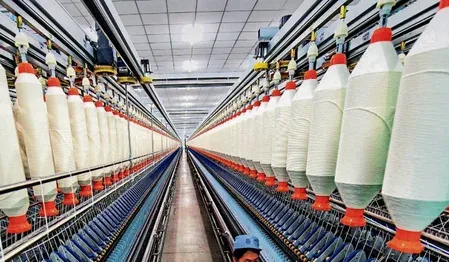
The AEPC attributed the spike to supply-side constraints, including limited stock with ginners and reduced cotton arrivals, forcing mills to increasingly depend on Cotton Corporation of India (CCI) auctions for procurement.
Compounding the pressure, Indian cotton and cotton yarn exports to apparel-manufacturing countries such as Bangladesh and Vietnam have risen sharply. This is partly linked to US restrictions on Chinese cotton under the Uyghur Forced Labor Prevention Act (UFLPA), which has redirected sourcing demand toward Indian supplies — tightening domestic availability further.
Impact on Garment Exporters
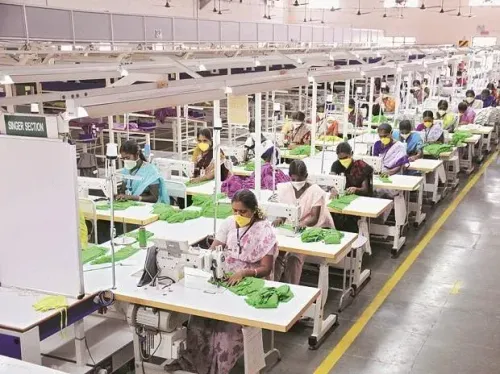
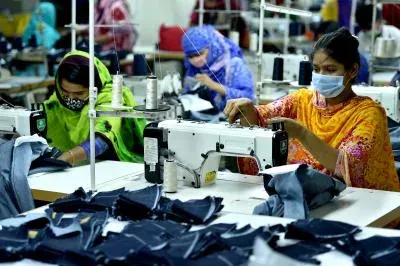
Apparel exporters, who source fabric predominantly from the domestic market, say the higher input costs are directly inflating fabric and garment manufacturing expenses, eroding their price competitiveness in global markets. The cost escalation affects the entire apparel manufacturing value chain.
Notably, the timing is particularly consequential: India is gaining expanded access to new markets through free trade agreements (FTAs) with the UK and New Zealand, and the industry fears that cost disadvantages could undermine the potential gains from these deals.
What the Industry Is Seeking
The AEPC has urged the government to ensure adequate and competitively priced domestic availability of cotton yarn and to consider market stabilisation measures. The council contends that such steps would enable Indian apparel exporters to capitalise on emerging global opportunities while reinforcing domestic value addition and supporting employment across the textile sector.
With FTA windows opening and global buyers actively diversifying away from Chinese supply chains, the government's response to this demand is likely to shape India's apparel export trajectory in the near term.
Point of View
And any curb will face industry pushback. The deeper issue is that India's textile policy has long struggled to align the interests of upstream (cotton, yarn) and downstream (garment) players. With FTA access to the UK and New Zealand now live, the government faces a narrow window: act on input costs now, or watch the FTA dividend accrue to competitors with cheaper supply chains.
NationPress
13 Oct 2026
Frequently Asked Questions
Why is AEPC urging the government to regulate cotton yarn exports?
AEPC is seeking export regulation because cotton yarn prices have surged 60% — from ₹250 per kg in early 2026 to nearly ₹400 per kg — raising input costs for garment manufacturers and threatening India's competitiveness in global markets. The council argues that keeping yarn available domestically at competitive prices will support higher-value finished garment exports.
What has caused cotton yarn prices to rise so sharply?
The price surge is attributed to supply-side constraints including limited stock with ginners and reduced cotton arrivals, which have pushed mills toward CCI auctions. Additionally, rising exports of Indian cotton and yarn to Bangladesh and Vietnam — driven by US UFLPA restrictions on Chinese cotton — have tightened domestic availability.
What is the value difference between exporting yarn and finished garments?
Raw cotton fetches around ₹275 per kg and yarn approximately ₹325 per kg, while finished garments command ₹800–₹1,200 per kg. AEPC argues this gap makes a strong case for prioritising domestic yarn availability to support value-added garment manufacturing.
Which specific yarn category has AEPC flagged for export regulation?
AEPC Chairman Dr A. Sakthivel has specifically asked the government to regulate exports of cotton yarn of 20s count and above.
How does this affect India's new free trade agreements?
India has recently gained expanded market access through FTAs with the UK and New Zealand. AEPC warns that if cotton yarn costs remain elevated, Indian garment exporters will be unable to competitively leverage these new trade windows, allowing rivals with cheaper inputs to capture the opportunity instead.