Govt acts on 183,000 telecom resources, blacklists 263 senders in Q1 FY27
Synopsis
India's telecom spam crackdown in Q1 FY27 went beyond routine penalties — AI systems flagged 24.43 billion suspected spam calls and SMSs, while 243,000 warning notices were issued within a week. Yet with 1.12 billion subscribers still unregistered on the DND registry, the government's enforcement machine is outpacing consumer awareness.
Key Takeaways
The government acted against 183,000 telecom resources and blacklisted 263 senders in Q1 FY27 under the UCC enforcement framework.
Against 730.82 billion total calls, UCC complaints stood at 1.085 million — roughly 1.5 per million calls .
AI-based spam detection flagged 24.43 billion suspected spam calls and SMSs during the quarter.
DND preferences blocked 1.48 billion promotional calls and 7.30 billion promotional SMSs.
More than 1.12 billion subscribers have not registered any DND preference and remain reachable by commercial senders.
TRAI has designated the 140 series for promotional calls and the 1600 series for BFSI and government transactional communications.
The Indian government took enforcement action against 183,000 telecom resources and blacklisted 263 senders in the first quarter of FY27 (Q1 FY27) as part of a sustained crackdown on Unsolicited Commercial Communications (UCC), the Ministry of Communications announced on Tuesday, 4 August. The multi-layered action targeted repeat violators across the country's telecom network.
Scale of Enforcement Action
Enforcement measures spanned several levels: outgoing barring, long-term disconnection, sender blacklisting across all operators, and SMS header blocking. According to the Ministry, these steps were specifically designed to deter habitual offenders rather than apply one-time penalties.
Against a base of 730.82 billion total calls originated on India's telecom network in Q1 FY27, total UCC complaints stood at 1.085 million — approximately 1.5 complaints per million calls. Notably, the TRAI DND App accounted for 89% of all UCC complaints received by Access Providers during this period.
AI-Powered Spam Detection at Scale
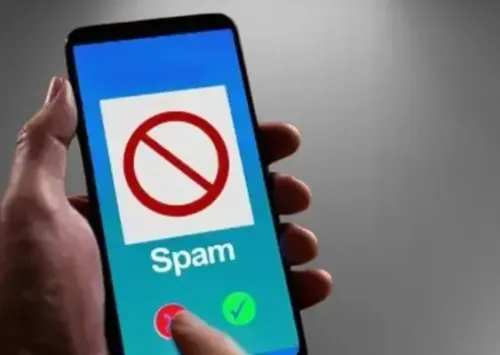
An AI-based spam detection system flagged 24.43 billion suspected spam calls and SMSs in Q1 FY27, giving consumers the option to ignore or engage with such communications cautiously. This represents one of the largest deployments of automated spam identification in the Indian telecom sector.
Additionally, more than 243,000 warning notifications were dispatched to suspected senders within one week of the warning notification system's launch — signalling a shift toward faster, pre-emptive compliance pressure.
Consumer Preferences and DND Registry
Registered Do Not Disturb (DND) preferences successfully blocked approximately 1.48 billion promotional calls and 7.30 billion promotional SMSs, demonstrating the system's operational reach. However, the Ministry flagged a significant gap: more than 1.12 billion subscribers have not registered any DND preference and therefore remain accessible to all commercial communications from registered telemarketers.
Consumers can register or modify DND preferences via the TRAI DND App, their telecom service provider's app or website, or by calling or sending an SMS to 1909.
Separately, about 13.16 billion promotional calls and 248.06 billion commercial SMSs were routed through registered communication channels during the quarter.
Dedicated Numbering Series for Commercial Calls
The Telecom Regulatory Authority of India (TRAI) has designated the 140 series exclusively for promotional calls, ensuring such calls originate from a pre-verified, identifiable numbering series. Calls from 140-series numbers are checked against customer preferences before delivery, enabling consumers to accept or decline them.
The 1600 series has been reserved for service and transactional calls from entities in the Banking, Financial Services and Insurance (BFSI) sector, as well as for Government-to-citizen communications — adding a further layer of caller identification for sensitive sectors.
With over a billion subscribers yet to engage with the DND registry, the government's next challenge will be driving consumer awareness alongside enforcement.
Point of View
But consumer participation is not. With 1.12 billion subscribers unregistered on the DND registry, the system's protective reach is capped by awareness, not capability. The AI detection figure — 24.43 billion flagged communications — also raises a question the Ministry did not address: how many of those flags translated into actual enforcement action, and how many were false positives? Until those conversion rates are published, the headline numbers tell only half the story.
NationPress
4 Aug 2026
Frequently Asked Questions
What action did the government take against telecom spam in Q1 FY27?
The government acted against 183,000 telecom resources and blacklisted 263 senders in Q1 FY27 as part of its Unsolicited Commercial Communications (UCC) enforcement drive. Measures included outgoing barring, long-term disconnection, sender blacklisting across all operators, and SMS header blocking.
How many spam calls and SMSs did AI detect in Q1 FY27?
AI-based spam detection flagged 24.43 billion suspected spam calls and SMSs during Q1 FY27, allowing consumers to ignore or handle such communications with caution. This is one of the largest automated spam-detection deployments in India's telecom sector.
How can consumers register their DND preferences to block spam?
Consumers can register or update Do Not Disturb (DND) preferences through the TRAI DND App, their telecom provider's app or website, or by calling or sending an SMS to 1909. Over 1.12 billion subscribers have yet to register any preference.
What is the 140 series in Indian telecom?
The 140 series is a dedicated numbering series introduced by TRAI exclusively for promotional calls. Calls from this series are pre-verified against customer DND preferences before delivery, making it easier for consumers to identify and manage promotional communications.
What is the 1600 series used for?
The 1600 series is reserved for service and transactional calls from Banking, Financial Services and Insurance (BFSI) entities and for Government-to-citizen communications, providing a distinct and identifiable channel for sensitive or official messages.