GreenLine scales LNG trucking fleet as India's freight sector eyes diesel alternatives
Synopsis
India's freight sector is at a fuel inflection point. GreenLine Mobility's push to scale from 1,000 to 10,000 LNG trucks — backed by a subsidiary building 100 refuelling hubs — is the clearest private-sector signal yet that LNG, not electrification, is the near-term answer for long-haul Indian trucking. A $3 billion annual forex saving is the economic argument that could finally move policy.
Key Takeaways
GreenLine Mobility operates more than 1,000 LNG-powered trucks and targets a fleet of 10,000 vehicles in the coming years.
LNG trucks travel up to 1,200 km on a single tank and cut carbon emissions by up to 40% versus diesel.
India has nearly four million diesel trucks moving about 70% of domestic cargo — one of the largest fossil fuel consumption segments.
Subsidiary Ultra Gas & Energy plans to expand LNG refuelling stations from 7 to 100 along major freight corridors.
Replacing 10% of diesel trucks with LNG could save nearly $3 billion annually in forex outflows, according to industry estimates.
The government is reportedly evaluating a cleaner commercial vehicle incentive programme worth over $1 billion .
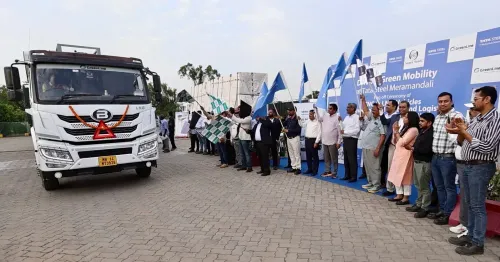
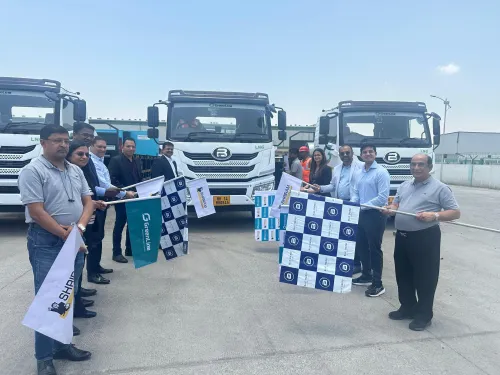
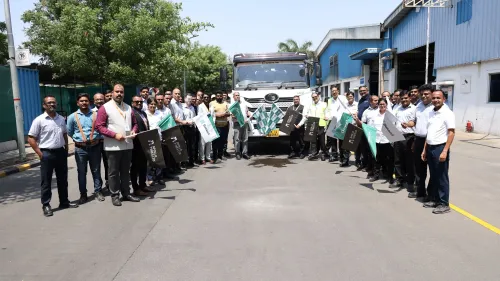
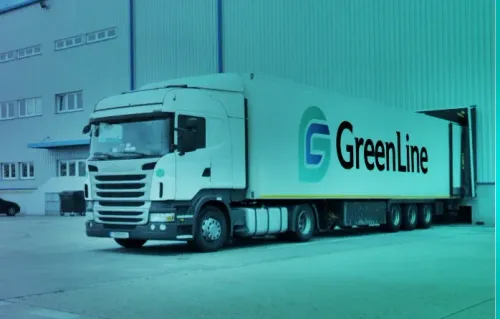
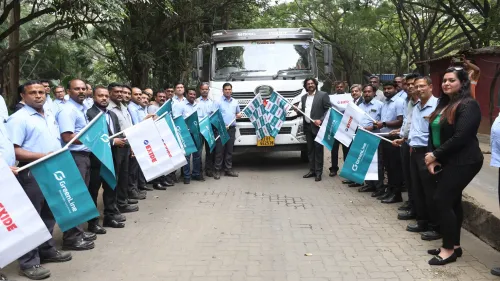
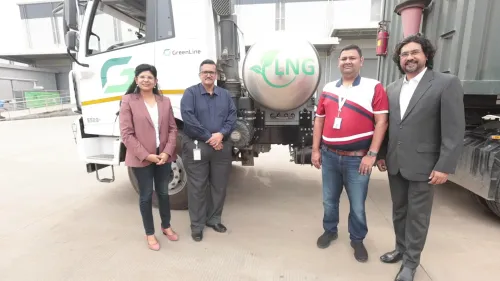
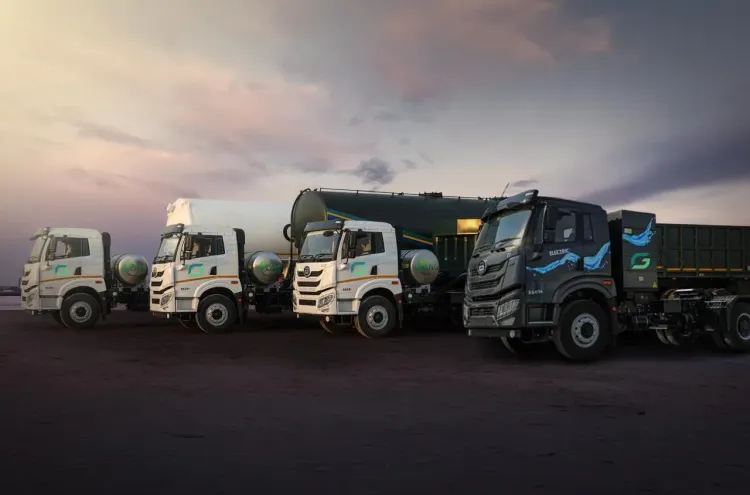
GreenLine Mobility is rapidly expanding its liquefied natural gas (LNG) trucking operations across India, as the country's heavy-duty logistics sector pivots away from diesel amid mounting concerns over energy security and rising crude oil import costs. The company currently operates more than 1,000 LNG-powered heavy-duty trucks on key freight corridors and has set a target of scaling its fleet to 10,000 vehicles over the next few years.
Why LNG Is Gaining Ground in Indian Freight
India's trucking sector runs on approximately four million diesel-powered trucks that collectively move close to 70 per cent of domestic cargo, making it one of the country's largest consumers of imported fossil fuels. LNG is emerging as a practical near-term alternative: LNG-powered trucks can cover up to 1,200 km on a single tank and reduce carbon emissions by as much as 40 per cent compared with diesel vehicles, while maintaining comparable operational efficiency for long-haul routes.
Large-scale electrification of heavy-duty freight, by contrast, remains constrained by charging infrastructure gaps, limited long-distance range, and higher upfront vehicle costs — making LNG a more immediately deployable bridge fuel.
GreenLine's Expansion and Infrastructure Push
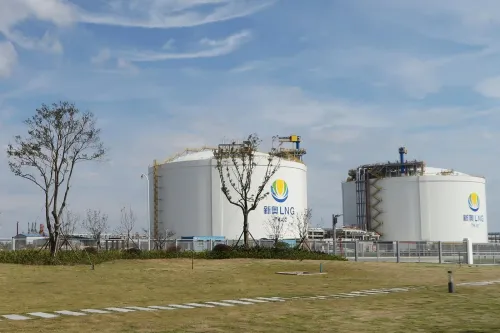
Ultra Gas & Energy, a subsidiary of GreenLine, currently operates seven LNG refuelling stations and plans to expand the network to 100 stations along major freight corridors nationwide. Each facility is being developed as an integrated clean mobility hub, equipped with LNG refuelling, EV charging, and battery-swapping capabilities. GreenLine has also begun deploying electric trucks for short-haul operations, signalling a multi-fuel strategy rather than a single-technology bet.
Government Incentive Programme Under Evaluation
The expansion comes as the government is reportedly evaluating an incentive programme worth over $1 billion to accelerate the adoption of cleaner commercial vehicles, as part of broader efforts to reduce dependence on imported fossil fuels. Industry stakeholders argue that complementary measures — including toll concessions, faster approvals for LNG dispensing stations, GST incentives, and carbon credit frameworks — would further accelerate alternative fuel adoption across commercial transportation.
Economic Case: $3 Billion in Forex Savings
According to industry estimates, replacing just 10 per cent of India's diesel trucking fleet with LNG vehicles could reduce annual foreign exchange outflows by nearly $3 billion through lower diesel imports. This positions LNG adoption not merely as an environmental initiative but as a strategic lever for India's broader energy security agenda. Notably, this transition is unfolding at a time when India is actively seeking to reduce its dependence on crude oil imports across multiple sectors.
What Comes Next
The pace of LNG infrastructure rollout — particularly Ultra Gas & Energy's planned expansion from 7 to 100 refuelling stations — will be a key determinant of how quickly fleet operators can scale adoption. With the government's incentive framework still under evaluation, policy clarity in the near term could prove decisive for the sector's trajectory.
Point of View
000-truck fleet, and the gap between GreenLine's ambition and Ultra Gas & Energy's rollout pace will determine whether this remains a niche operation or becomes a genuine diesel challenger. The government's $1 billion incentive programme, if structured around LNG alongside EVs, could be the accelerant — but the details, and whether incentives are tied to verified outcomes, will matter enormously.
NationPress
23 Sept 2026
Frequently Asked Questions
What is GreenLine Mobility's LNG trucking expansion plan?
GreenLine Mobility currently operates more than 1,000 LNG-powered heavy-duty trucks across key Indian freight corridors and plans to scale its fleet to 10,000 vehicles over the next few years. The company is also deploying electric trucks for short-haul operations as part of a broader multi-fuel strategy.
Why is LNG considered a viable alternative to diesel for Indian trucks?
LNG trucks can travel up to 1,200 km on a single tank and reduce carbon emissions by up to 40% compared with diesel vehicles, while offering comparable operational efficiency for long-haul routes. Unlike full electrification, LNG does not require significant charging infrastructure and is deployable in the near term.
How many LNG refuelling stations does India currently have under GreenLine's network?
Ultra Gas & Energy, a GreenLine subsidiary, currently operates seven LNG refuelling stations and plans to expand the network to 100 stations along major freight corridors. Each hub will integrate LNG refuelling, EV charging, and battery-swapping facilities.
What is the potential economic impact of switching to LNG trucks in India?
Industry estimates suggest that replacing 10% of India's diesel trucking fleet with LNG vehicles could reduce annual foreign exchange outflows by nearly $3 billion through lower diesel imports. This makes LNG adoption a significant lever for India's energy security strategy.
What policy support is being considered for LNG and clean commercial vehicles in India?
The government is reportedly evaluating an incentive programme worth over $1 billion to accelerate cleaner commercial vehicle adoption. Industry stakeholders have also called for toll concessions, faster LNG station approvals, GST incentives, and carbon credit frameworks to support the transition.