Market Underestimates Cost Challenges in India's Auto Industry: Analysis
Synopsis
A recent report highlights that the market is overlooking critical cost challenges faced by Indian auto firms, amid rising investor caution. Key concerns include LNG supply and demand shifts in various vehicle segments.
Key Takeaways
The market is underestimating cost pressures in the Indian auto sector.
Investor sentiment is shifting towards caution amidst rising costs.
LNG supply concerns may impact corporate earnings in the long run.
Commercial vehicles face significant demand challenges.
Two-wheelers are viewed more favorably compared to passenger vehicles.
New Delhi, April 3 (NationPress) The market is significantly underestimating the cost challenges that Indian automobile manufacturers are currently facing, despite a noticeable shift in investor sentiment towards a more cautious outlook on India, as highlighted in a recent report released on Friday.
A study conducted by BNP Paribas revealed a hesitance among investors to adopt a definitive stance on the market. Hedge funds are largely removing tilts and factor exposures from their portfolios, with many actively reducing their gross exposure.
The abrupt reversal of US tariffs last year has led investors to believe that the ongoing energy crisis may be a temporary issue, according to the report.
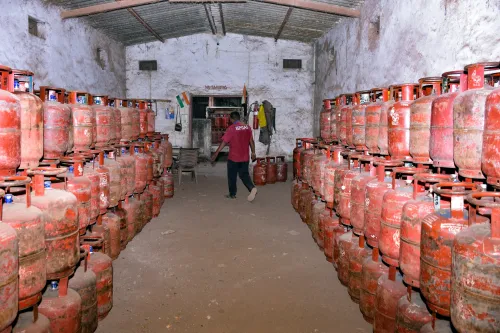
The overall sentiment regarding India has become notably pessimistic. A major concern revolves around the availability of LNG, with investors worried that this could become a more persistent problem for India, differing from the volatility seen in oil prices.
Unlike crude oil, which is perceived as a temporary price shock, interruptions in LNG supply are anticipated to have a potentially prolonged impact on corporate profitability.
The report also pointed out that investors based in Hong Kong are somewhat less negative about India compared to those in Singapore, as HK investors act as regional allocators navigating through elevated volatility in other Asian markets.
Conversations among investors have predominantly focused on the impact of demand rather than cost.
There is a broad consensus that commercial vehicles are facing the most significant demand challenges, largely due to a decrease in government capital expenditure.
Additionally, two-wheelers are generally viewed as being in a better position than passenger vehicles concerning demand, although BNP warns that historical macroeconomic cycles do not strongly support this view.
Tractor demand is also under scrutiny, with investor concerns about a potential rise in diesel prices—a worry that BNP indicates lacks substantial backing from historical demand metrics.
More critically, the bank emphasizes that cost inflation is receiving insufficient attention and could lead to unexpected negative earnings surprises.
In terms of investment positioning, investors show a preference for two-wheelers over passenger vehicles, while expressing the most negativity towards commercial vehicles.
Furthermore, the report noted a significant divergence in single-stock perspectives within each sector.
Point of View
It's evident that the Indian auto sector is at a critical juncture. While demand dynamics shift, the underlying cost pressures could pose significant challenges that require immediate attention from investors and policymakers alike.
NationPress
2 Oct 2026
Frequently Asked Questions
What are the primary cost concerns for Indian auto companies?
The main concerns include rising LNG supply issues and overall cost inflation, which are expected to negatively impact corporate earnings.
How are investors reacting to the current market conditions?
Investors are showing reluctance to take definitive positions, with many hedging their bets by reducing exposure to the market.
What vehicle segments are facing the most demand challenges?
Commercial vehicles are experiencing the sharpest demand headwinds, primarily due to a slowdown in government capital spending.
Are two-wheelers faring better than passenger vehicles?
Yes, two-wheelers are generally perceived as better positioned in terms of demand compared to passenger vehicles.
What is the outlook for tractor demand?
Investors are monitoring tractor demand closely due to concerns over potential diesel price increases, though historical data does not strongly support this fear.