Haryana to add 20 lakh MT grain storage in 2025, double capacity by 2047
Synopsis
Haryana, which feeds a quarter of India's foodgrain security, is storing only half of what it needs. CM Saini's 20 lakh MT push — on PPP, with solar-topped warehouses and conveyor belts replacing headload labour — is less an incremental upgrade and more an admission that the state has been losing ₹600-1,000 crore in grain every year.
Key Takeaways
Haryana will add 20 lakh metric tons of grain storage in 2025 on PPP mode.
Current capacity of 66 lakh MT must rise to 130 lakh MT to meet future needs.
State produces 115 lakh MT wheat, 71 lakh MT rice annually; loses 4-5% to poor storage.
Haryana contributes nearly 25% to India's foodgrain security.
Interventions could save ₹3,000-5,000 crore over five years, per the department's projection.
Rooftop solar on warehouses and conveyor-belt mechanisation are part of the plan.
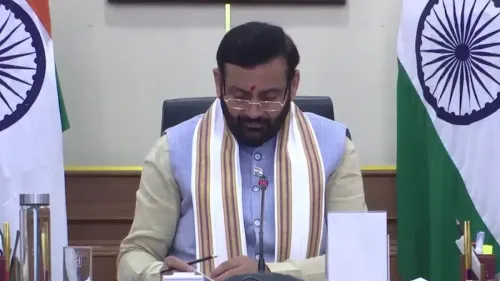
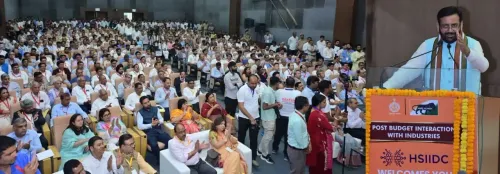
Haryana Chief Minister Nayab Singh Saini on Tuesday, 2 June directed officials to create 20 lakh metric tons of additional foodgrain storage capacity this year on a Public-Private Partnership (PPP) mode, as the state moves to plug post-harvest losses estimated at 4-5% of annual production. The directive came during a review of the Food, Civil Supplies and Consumer Affairs Department's five-year roadmap under Haryana Vision – 2047.
Why the storage gap matters
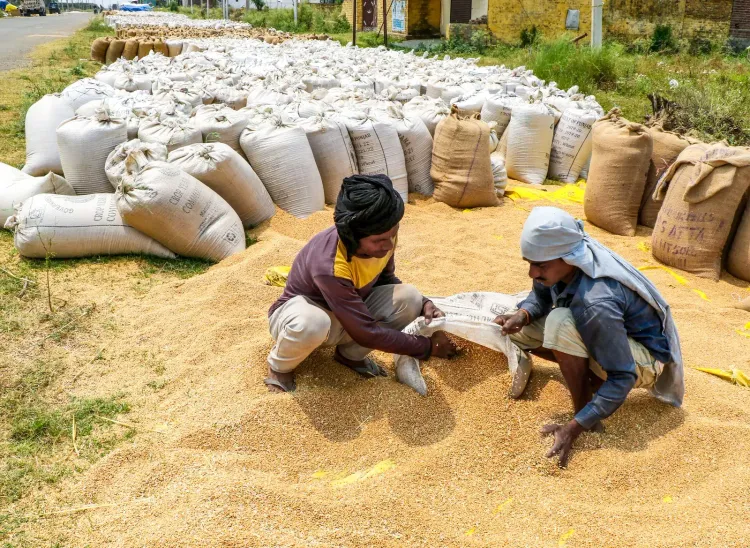
Haryana contributes nearly 25% to India's foodgrain security but its current covered storage capacity stands at just 66 lakh metric tons — barely half of the 130 lakh metric tons the state estimates it will need to meet future requirements. Commissioner and Secretary J. Ganesan told the meeting that open storage and inadequate warehousing cause an annual loss of four to five per cent of foodgrains produced in the state.
The production base under stress
The state annually produces around 115 lakh metric tons of wheat, 71 lakh metric tons of rice, 110 lakh metric tons of fruits and vegetables, and 115 lakh metric tons of milk and dairy products. With output of this scale, the gap between production and protected storage translates into thousands of crores in avoidable wastage each year.
What the Chief Minister directed
Saini asked departments to draw up a comprehensive plan covering covered warehouses, cold storage expansion, and optimum use of existing assets. He pushed for the integration of rooftop solar panels on warehouses, with power fed into the grid, and pilot projects to replace manual grain-bag handling with conveyor belts and mechanised systems in mandis and warehouses.
The five-year arithmetic
According to Ganesan's presentation, the interventions outlined could prevent losses estimated at ₹3,000 crore to ₹5,000 crore over the next five years. The long-term strategy will extend beyond foodgrains to horticulture, fruits, and vegetables — categories where cold-chain shortfalls have historically driven the steepest wastage.
What happens next
Officials have been tasked with finalising preparations to hit the 20 lakh MT target within this financial year, with PPP being the primary delivery vehicle. Sectoral coordination across food, agriculture, and energy departments is expected to follow as the Vision 2047 roadmap is operationalised.
Point of View
Yet half its grain sits in storage built for a smaller economy. A 4-5% annual loss in a state contributing a quarter of India's foodgrain security is a national-scale leak, not a state problem. PPP delivery is sensible — but only if tenders are transparent and the cold-chain segment, where losses are far higher than for grain, is genuinely prioritised. Vision 2047 documents are easy; warehouse certificates of completion are not.
NationPress
20 Sept 2026
Frequently Asked Questions
What is Haryana's new grain storage plan?
Haryana will add 20 lakh metric tons of foodgrain storage capacity in 2025 on a Public-Private Partnership basis, as directed by Chief Minister Nayab Singh Saini on 2 June. The move is part of the state's Vision 2047 roadmap to lift total covered storage from 66 lakh MT to 130 lakh MT.
Why does Haryana need more grain storage?
Around 4-5% of foodgrains produced in Haryana are lost annually due to open storage and inadequate warehousing, according to the Food and Civil Supplies department. The state contributes nearly 25% to India's foodgrain security but its existing 66 lakh MT capacity is roughly half of projected requirement.
How much could the plan save?
Departmental estimates suggest the storage and mechanisation interventions could prevent losses worth ₹3,000 crore to ₹5,000 crore over the next five years. Savings would come from reduced wastage of wheat, rice, horticulture produce, and dairy.
What other reforms did CM Saini announce?
Saini directed the installation of rooftop solar panels on warehouses with grid connectivity, and pilot projects to replace manual grain-bag handling with conveyor belts and modern mechanised systems in mandis and warehouses.