MHA reviewing Satcom security clearances for all 3 providers: Minister Pemmasani

Synopsis
India's satellite broadband rollout is stalled at the MHA security clearance stage — and the government is pushing back hard against Elon Musk's discrimination claims. With all three licensed GMPCS providers in the same regulatory queue, the message from New Delhi is unambiguous: no one jumps the line, not even Starlink.
Key Takeaways
MHA security clearances are the sole remaining hurdle for satellite communication services in India, confirmed Minister of State Chandra Sekhar Pemmasani on 8 October 2026 .
DoT has already issued licences and provisional spectrum approvals to three GMPCS service providers operating non-geostationary networks.
The Centre rejected Elon Musk 's allegation that India was applying Satcom regulations in a discriminatory manner.
All three licensees — including Starlink 's operator — are subject to identical regulatory and security compliance requirements.
Security assessments are currently underway for all three licensees simultaneously, with no preferential treatment indicated.
The rollout of satellite communication services across India is being held pending security clearances from the Ministry of Home Affairs (MHA), Minister of State for Communications Chandra Sekhar Pemmasani said on Thursday, 8 October 2026, stressing that all satellite communication companies are at an identical stage in the regulatory process.
What the Minister Said
Speaking on the sidelines of the India Mobile Congress 2026 in New Delhi, Pemmasani confirmed that the Department of Telecommunications (DoT) has already issued licences and provisional spectrum-related approvals to satellite communication service providers. The final operational clearances, however, are contingent on security assessments being completed by the MHA.
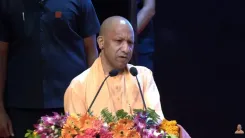
'Now the issue is pending with MHA for security clearance. As soon as it is cleared, they will get it. It has nothing to do with one company,' the minister said, amid ongoing discussions surrounding the entry of satellite broadband providers into the Indian market.
Centre Rejects Discrimination Allegations
Pemmasani's remarks came hours after the Centre firmly rejected claims by SpaceX founder Elon Musk that India was applying its satellite communications regulations in a discriminatory manner. The government maintained that a fair and non-discriminatory authorisation framework is being followed for all satellite communication operators.
In an official statement, the Ministry of Communications said telecom licences have been granted to three Global Mobile Personal Communication by Satellite (GMPCS) service providers operating non-geostationary satellite networks. All three licensees are subject to the same regulatory and security compliance requirements, the ministry stressed.
What the Official Statement Clarified
'Under this, telecom licences have been granted to three Global Mobile Personal Communication by Satellite services based on non-geosynchronous satellite orbit-based satellite communications, as part of its commitment to enable provision of satellite communication services in India,' the official statement read.
'This is aimed at ensuring that services provided meet various security requirements to ensure the safety of all users and their data. Security assessment as part of this process is currently underway in respect of all the three licensees,' the statement further clarified.
Starlink and the Broader Context
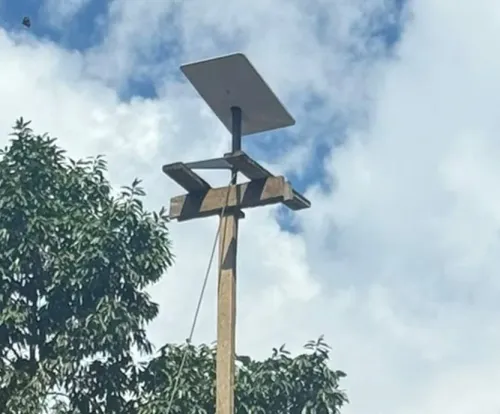
The clarification is particularly significant as companies including Starlink continue to await final approvals to commence commercial satellite broadband operations in India. Notably, this is not the first time the government's Satcom licensing process has drawn scrutiny — India's regulatory environment for satellite services has been closely watched since spectrum allocation debates began in earnest in 2024.
This comes amid a broader push to open India's satellite broadband market, with multiple global and domestic players — including Eutelsat OneWeb and Jio Space Technology — positioning for commercial launch. The government's insistence on uniform treatment signals that national security considerations will remain the overriding factor in determining timelines, regardless of the commercial stature of the applicant.
What Happens Next
All three licensed GMPCS operators remain in the final stretch of the MHA security review. Once clearances are granted, commercial satellite broadband services could commence without further licensing hurdles, given that DoT approvals are already in place. Industry observers will be watching for any indication of a timeline from the MHA in the weeks ahead.
Point of View
Which creates a vacuum that competitors and critics will continue to fill. India's Satcom licensing journey has been marked by procedural delays that have outlasted multiple government assurances; the credibility of the 'non-discriminatory' claim will ultimately be judged by how quickly — and visibly equally — the three clearances are granted.
NationPress
8 Oct 2026
Frequently Asked Questions
Why is India's satellite communication rollout delayed?
India's satellite broadband services are currently awaiting security clearances from the Ministry of Home Affairs (MHA). The DoT has already issued licences and provisional spectrum approvals, but final operational clearances depend on the MHA completing security assessments for all three licensed providers.
Which companies are awaiting satellite broadband clearance in India?
Three Global Mobile Personal Communication by Satellite (GMPCS) service providers operating non-geostationary satellite networks have been licensed by DoT and are awaiting MHA clearance. Starlink is among those awaiting final approval to begin commercial operations in India.
Did India discriminate against Starlink or Elon Musk's SpaceX?
The Centre has categorically rejected that claim. The Ministry of Communications confirmed that all three licensed Satcom operators are subject to the same regulatory and security compliance requirements, and that a fair, non-discriminatory authorisation framework is being followed.
What did Minister Pemmasani say about the security clearance process?
Minister of State for Communications Chandra Sekhar Pemmasani said on 8 October 2026 that the MHA security review is the only pending step and that it applies equally to all companies. 'It has nothing to do with one company,' he stated, indicating no operator holds a preferential position.
What happens after MHA clears the satellite communication companies?
Once MHA security clearances are granted, the licensed GMPCS providers can commence commercial satellite broadband operations in India without further licensing delays, as DoT approvals are already in place. No official timeline for the MHA review has been announced.