Starlink denies India approval freeze, says govt talks remain active

Synopsis
Starlink's VP Lauren Dreyer took to X to flatly deny a Bloomberg report that India had frozen its satellite internet approvals — calling it 'misleading' and 'unsubstantiated.' With SpaceX reportedly eyeing a $1.75 trillion Nasdaq IPO, India's approval is not just a regulatory footnote; it is a market-signal moment for the world's most anticipated public offering.
Key Takeaways
Starlink denied on 10 June 2025 that India has frozen approvals for its satellite internet services.
Lauren Dreyer , VP of Starlink Business Operations, called the Bloomberg report 'misleading' and based on 'anonymous sources.' Starlink has received a Letter of Intent (LoI) from the Indian government but final regulatory approval remains pending.
The company has developed a bespoke deployment model tailored to India's sovereign technology and security requirements.
Parent company SpaceX is reportedly preparing a Nasdaq IPO valuing it at around $1.75 trillion — making India's market status particularly consequential.
Starlink has pushed back against a report claiming that India has frozen approvals for its satellite internet services, asserting on 10 June 2025 that it remains in 'active and productive discussions' with the government and continues to receive encouraging signals about its plans for the country.
The Denial and What Triggered It
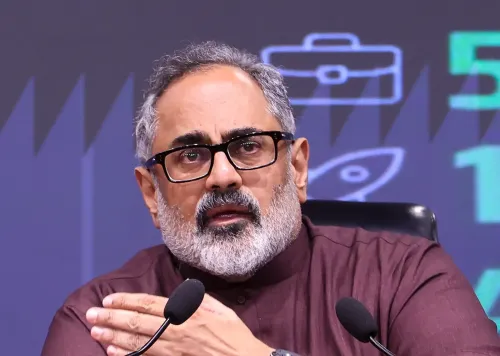
Lauren Dreyer, Vice President of Starlink Business Operations, issued the clarification in a post on social media platform X, directly responding to a Bloomberg report that claimed India had effectively put commercial approvals for Starlink on hold. The Bloomberg report cited concerns over the use of Starlink's satellite terminals in the Iran conflict as the reason behind the alleged freeze.
Dreyer described the Bloomberg report as a 'misleading story based upon unsubstantiated claims from anonymous sources.' She stated that Starlink has complied with all regulatory and security requirements and has worked with the government 'through all required regulatory and compliance processes in a transparent and responsible manner.'
A Bespoke Deployment Model for India
According to Dreyer, Starlink has developed a custom deployment model specifically tailored to align with India's sovereign technology, regulatory, and security requirements — a move that signals the company's intent to address the government's concerns head-on rather than seek blanket approvals.
'We have heard nothing but encouraging feedback on Starlink's capabilities and its potential to advance India's connectivity ambitions, especially in remote and underserved regions,' she said. The company reiterated its commitment to bringing services to India 'soon.'
Where Approvals Stand
Starlink has applied for a licence to provide satellite communication services in India and has already received a Letter of Intent (LoI) from the government. Final regulatory approval, however, remains pending before commercial operations can begin. This makes India one of the last major markets where Starlink has yet to formally launch.
The Broader Stakes: SpaceX's Historic IPO
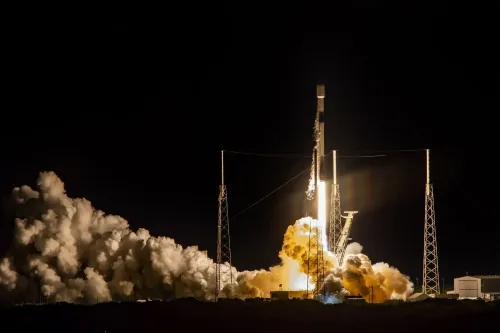
The dispute over India approvals comes at a particularly sensitive moment for SpaceX, Starlink's parent company, which is reportedly preparing what could be the largest initial public offering in history — a planned Nasdaq listing that would value the company at around $1.75 trillion. Any prolonged regulatory uncertainty in a market of India's scale could weigh on investor sentiment ahead of that listing.
Notably, India's satellite broadband sector is already contested terrain, with Jio and Amazon's Project Kuiper also seeking regulatory space. How the government resolves Starlink's approval will set a precedent for the entire segment.
What Comes Next
The government has not publicly responded to Starlink's rebuttal. Regulatory observers expect the final approval decision to hinge on whether Starlink's bespoke deployment model satisfies the Department of Telecommunications' security audit requirements. Until then, India's satellite internet market — and millions of users in remote, underserved regions — remain in a holding pattern.
Point of View
While Starlink's global architecture was not designed with country-specific kill-switches in mind. The Iran terminal controversy — whether or not it directly caused a freeze — has handed Indian regulators a legitimate security argument to slow-walk approvals without saying so publicly. With SpaceX's mega-IPO on the horizon, Elon Musk's team has strong commercial incentive to resolve this fast. India, aware of that leverage, may not be in a hurry.
NationPress
26 Oct 2026
Frequently Asked Questions
Has India frozen Starlink's satellite internet approvals?
Starlink has denied this, calling a Bloomberg report to that effect 'misleading' and based on 'unsubstantiated claims from anonymous sources.' The company says it remains in active discussions with the Indian government and continues to receive positive feedback.
What did Lauren Dreyer say about Starlink's India plans?
Lauren Dreyer, Vice President of Starlink Business Operations, said in an X post that Starlink has complied with all regulatory and security requirements, developed a bespoke deployment model for India, and remains fully committed to launching services in the country soon.
Why did Bloomberg report that India had frozen Starlink approvals?
Bloomberg reported that India had put commercial approvals on hold due to concerns over the use of Starlink's satellite terminals in the Iran conflict. Starlink disputed this characterisation, saying it was based on anonymous sources.
Where does Starlink's India licence application currently stand?
Starlink has applied for a satellite communication services licence in India and has received a Letter of Intent (LoI) from the government. Final regulatory approval, however, is still pending before commercial operations can begin.
Why does India's approval matter for SpaceX right now?
SpaceX is reportedly preparing what could be the largest IPO in history, with a planned Nasdaq listing valuing the company at around $1.75 trillion. Prolonged regulatory uncertainty in a major market like India could affect investor sentiment ahead of that listing.