What Are the Latest Updates on India's Semiconductor Projects?
Synopsis
The Indian government has approved significant semiconductor initiatives, with ten projects receiving funding and four already in production. This move aims to bolster the country's technology landscape, enhance semiconductor manufacturing, and create a robust ecosystem for digital infrastructure.
Key Takeaways
The Indian government has approved 10 semiconductor projects with a total investment of Rs.
Four projects have already entered production.
The initiative includes significant advancements in chip design and packaging.
The Semicon India Programme aims to create a full manufacturing ecosystem.
This move is projected to boost India's standing in the global tech market.
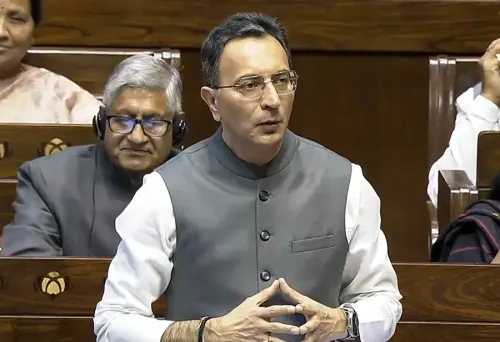
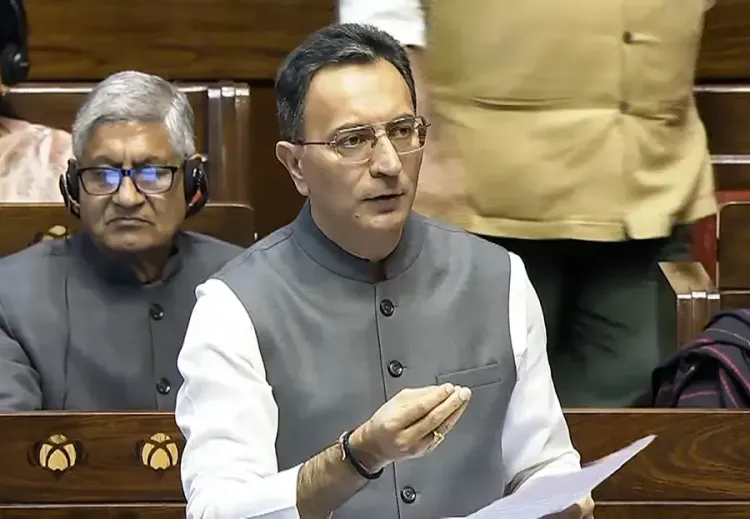
New Delhi, Feb 4 (NationPress) The Indian government has sanctioned 10 semiconductor projects that are at various levels of execution, with projected investments amounting to approximately Rs. 1.6 lakh crore. Four of these projects have commenced production, as stated by Union Minister of State for Electronics and Information Technology Jitin Prasada in a formal reply in Lok Sabha on Wednesday.
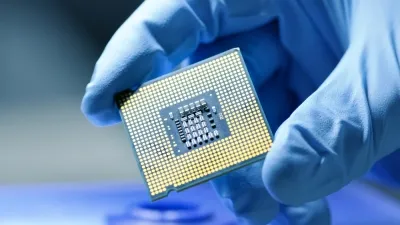
The sanctioned initiatives comprise two fabs and eight packaging units, including CMOS (silicon) fabs, a silicon carbide fab, as well as advanced and memory packaging units. Additionally, 24 chip-design projects have been nurtured through startups, with 16 achieving tapeouts and 13 securing venture capital funding, according to an official report.
The Ministry of Electronics & IT emphasized that 350 universities have gained access to electronic design automation (EDA) tools utilized by 65,000 engineers.
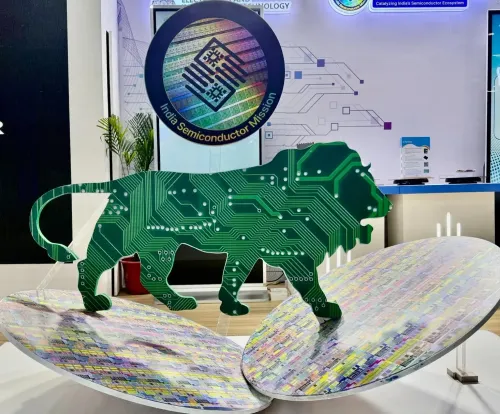
The government initiated the Semicon India Programme with a total budget of Rs 76,000 crore to establish a comprehensive semiconductor and display manufacturing ecosystem, covering everything from design and fabrication to assembly, testing, packaging, and module manufacturing.
Furthermore, the government referenced estimates from the National Association of Software and Services Companies (NASSCOM), which indicate that the IT sector's performance has seen improvements over five years, with exports rising from $152 billion to $224.4 billion from 2020-21 to 2024-25.
The overall revenue increased from $196 billion to $283 billion during the same timeframe, as reported by the ministry.
Details of the ten semiconductor manufacturing projects have also been disclosed.
A project based in Gujarat will facilitate assembly and testing operations for both DRAM and NAND products, catering to demands from both domestic and international markets, with a production capacity of approximately 14 million units per week.
Analysts forecast that the introduction of India Semiconductor Mission 2.0 will considerably enhance the nation’s technology ecosystem by deepening the integration of hardware and software capabilities, thereby positioning India as a leader in next-generation digital infrastructure.
The government's Rs 7,280 crore initiative for Sintered Rare Earth Permanent Magnets (REPM) is anticipated to serve as a catalyst for India's broader semiconductor manufacturing goals by ensuring secure access to strategic materials.
aar/pk
Point of View
It is crucial to recognize the transformative potential of the government’s semiconductor initiatives. These projects not only reflect India's ambition to enhance its technological capabilities but also signify a strategic move towards self-reliance in semiconductor manufacturing. The nation must remain committed to fostering innovation and collaboration within this vital sector.
NationPress
20 Sept 2026
Frequently Asked Questions
What is the total investment for the approved semiconductor projects?
The approved semiconductor projects are expected to attract investments totaling approximately Rs. 1.6 lakh crore.
How many projects have started production?
Out of the ten approved projects, four have already commenced production.
What types of manufacturing units are included in the projects?
The projects include two fabs and eight packaging units, covering CMOS, silicon carbide, advanced, and memory packaging.
What is the purpose of the Semicon India Programme?
The Semicon India Programme aims to develop a complete semiconductor and display manufacturing ecosystem in India.
How many universities have access to EDA tools?
A total of 350 universities have been provided access to electronic design automation tools for use by engineers.