Government's Semicon India Initiative to Create a Comprehensive Manufacturing Ecosystem
Synopsis
The Indian government has launched a strategic initiative to expand electronics manufacturing, significantly boosting production and exports. This ambitious plan aims to create a full ecosystem from design to manufacturing, potentially reshaping the industry landscape.
Key Takeaways
Semicon India Programme aims to build a complete manufacturing ecosystem.
Electronic goods production increased to Rs 12 lakh crore in 2024-25.
Exports of electronic goods rose to about Rs 3.3 lakh crore .
Mobile phone production saw a 28-fold increase .
10 semiconductor projects approved with Rs 1.6 lakh crore investments.
New Delhi, April 1 (NationPress) The government has implemented a systematic and focused strategy for the electronics manufacturing sector, encompassing the entire value chain, including semiconductors. According to an official announcement made on Wednesday, the production of electronic goods has increased sixfold over the last decade.
Over the past 11 years, India's electronics manufacturing industry has experienced remarkable growth.
Electronic goods production surged to approximately Rs 12 lakh crore in 2024-25, a significant rise from around Rs 1.9 lakh crore in 2014-15. Exports in this sector skyrocketed eightfold, reaching around Rs 3.3 lakh crore compared to just Rs 38,000 crore during the same timeframe.
Mobile phone production specifically saw a staggering increase, growing 28 times to Rs 5.45 lakh crore in 2024-25 from Rs 18,000 crore in 2014-15, as reported by the Ministry of Electronics & IT.
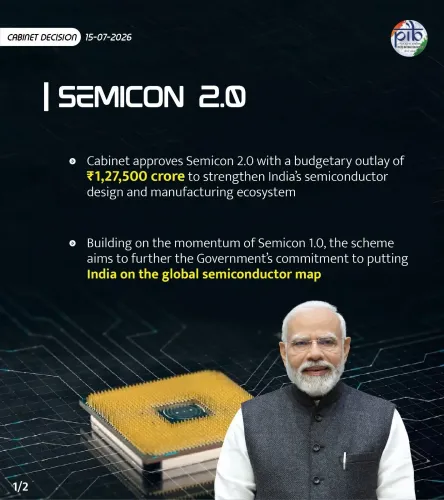
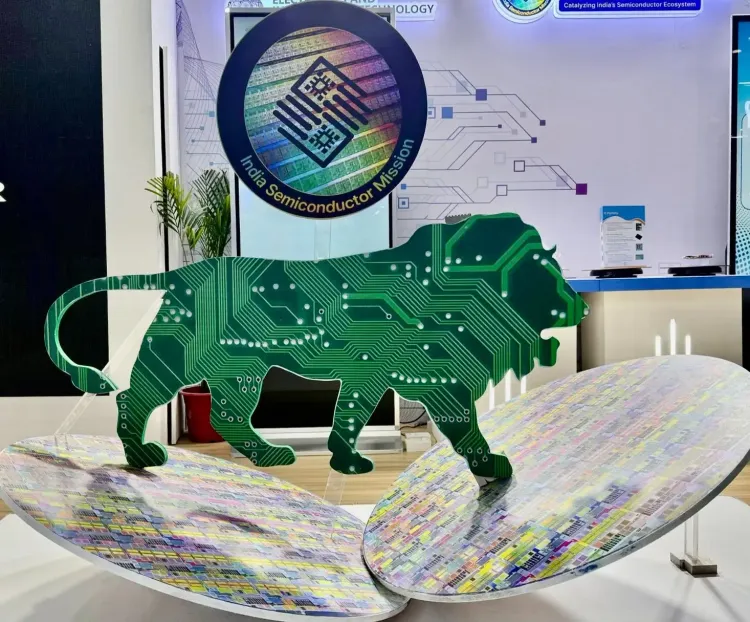
The Semicon India Programme, which commenced in January 2022, was established to foster the growth of a robust manufacturing ecosystem within India. This initiative aims to build a comprehensive ecosystem that includes design, fabrication, assembly, testing, packaging, and module manufacturing.
Within just four years, the government has sanctioned 10 projects with investment pledges totaling approximately Rs 1.6 lakh crore. Commercial production has begun at two plants (Micron and Kaynes), with an additional two set to start operations this year.
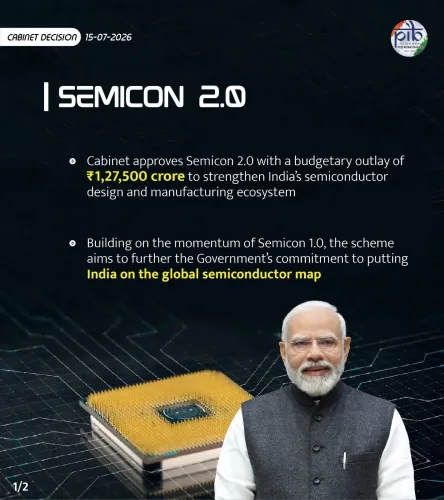
In conjunction with the successes of the Semicon India Programme, the Union Budget 2026-27 has proposed the India Semiconductor Mission 2.0, which focuses on the production of equipment and materials, complete design stacks, Indian intellectual property, and reinforcement of supply chains, as noted in the statement.
Under the India Semiconductor Mission (ISM), 10 semiconductor manufacturing units are currently being built. As a cornerstone industry, semiconductor production is anticipated to generate a substantial number of jobs across the supply chain and related sectors, leading to significant indirect employment opportunities.
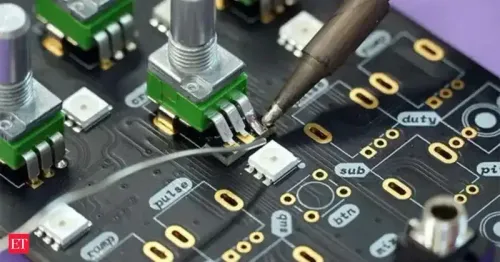
Additionally, under the Electronics Component Manufacturing Scheme (ECMS), 249 applications have been submitted for components, base materials, and capital equipment such as PCBs, capacitors, and laminates, as reported by the ministry.
aar/pk
Point of View
The government's proactive approach to establishing a comprehensive manufacturing ecosystem for semiconductors and electronics is commendable. This initiative not only enhances India's manufacturing capabilities but also fortifies its position in the global supply chain, paving the way for economic growth and employment generation.
NationPress
2 Oct 2026
Frequently Asked Questions
What is the Semicon India Programme?
The Semicon India Programme, launched in January 2022, aims to develop a complete manufacturing ecosystem for semiconductors in India, covering all stages from design to assembly.
How much has electronic goods production increased in India?
Electronic goods production in India has increased sixfold over the last decade, reaching approximately Rs 12 lakh crore in 2024-25.
What impact will the India Semiconductor Mission have?
The India Semiconductor Mission is expected to create numerous job opportunities and strengthen the supply chain within the semiconductor industry.
How many projects have been approved under this initiative?
The government has approved 10 projects under the Semicon India Programme, with investment commitments totaling about Rs 1.6 lakh crore.
What are the expected outcomes of the Electronics Component Manufacturing Scheme?
The Electronics Component Manufacturing Scheme has received 249 applications, which indicates strong interest in developing components and materials necessary for electronics manufacturing.