India-Belgium civil aviation ties: Naidu, De Wever discuss direct flights and pharma cargo
Synopsis
Belgium's PM visited India and sat down with the Civil Aviation Minister to discuss direct flights and pharma cargo links — a pairing that signals India is using the landmark India-EU FTA momentum to build sector-specific bilateral pipelines, not just headline trade numbers.
Key Takeaways
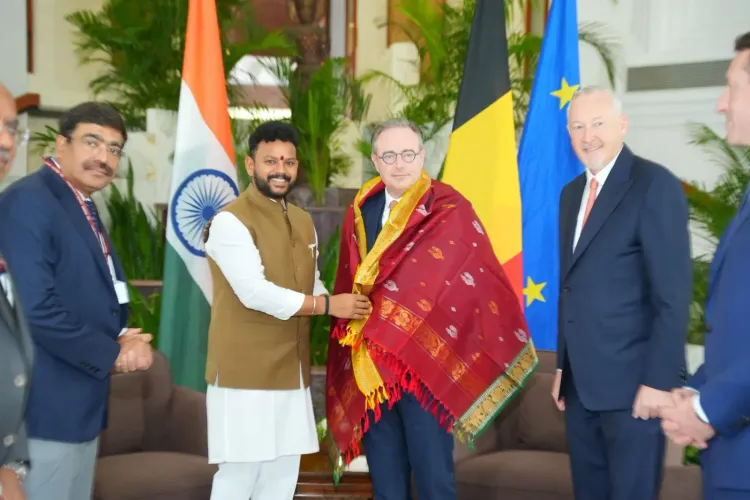
Civil Aviation Minister Ram Mohan Naidu met Belgian PM Bart De Wever on 4 September to discuss strengthening aviation ties.
Talks covered direct air connectivity , pharmaceutical air cargo , and advanced air mobility initiatives.
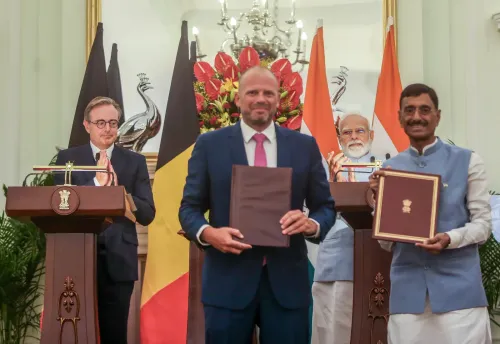
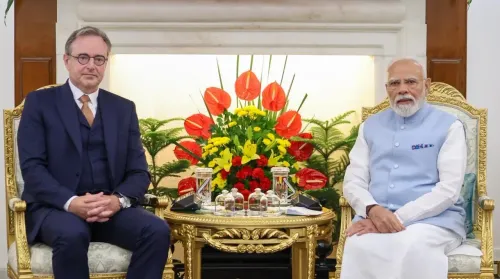
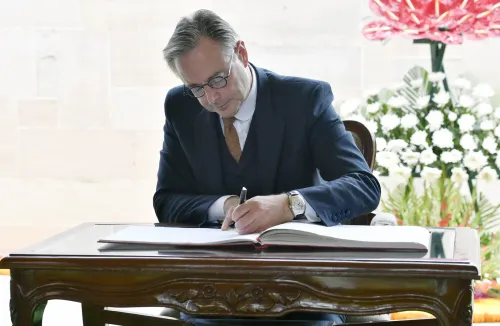
Bart De Wever was on a three-day official visit to India (2–4 September) and also held talks with PM Narendra Modi .
The India–EU FTA , concluded after nearly two decades of negotiations, is expected to be signed by December 2024 and come into force by February–March 2025 .
About 93 per cent of Indian exports are expected to receive duty-free access under the FTA; India will eliminate tariffs on 86 per cent of tariff lines.
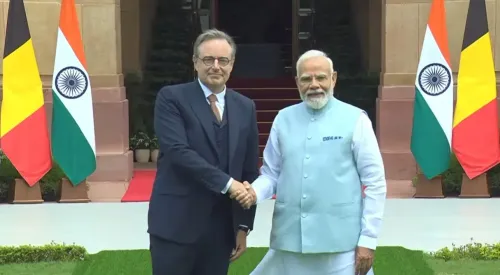
Union Minister of Civil Aviation Ram Mohan Naidu on 4 September held bilateral talks with Belgian Prime Minister Bart De Wever to advance civil aviation cooperation between India and Belgium, according to an official statement. The discussions covered direct air connectivity, air cargo enhancements for the high-value pharmaceutical sector, and advanced air mobility initiatives.
Key Developments
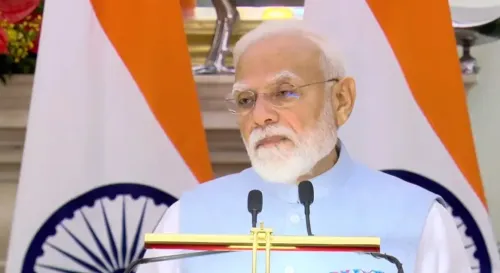
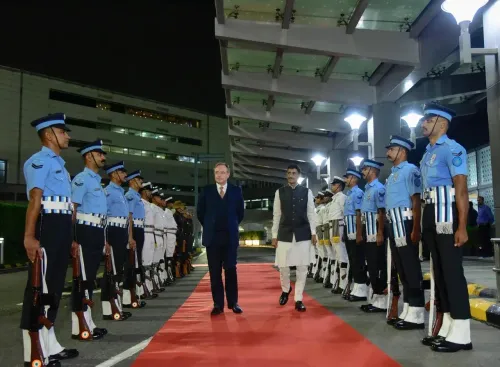
Bart De Wever is on a three-day official visit to India from 2–4 September, during which he also held high-level bilateral talks with Prime Minister Narendra Modi. Those talks focused on deepening trade and investment ties and the timely implementation of the India–EU Free Trade Agreement (FTA).
Minister Naidu confirmed the meeting on social media platform X, writing: 'Honored to meet Prime Minister of Belgium. Discussed further strengthening of India-Belgium cooperation in civil aviation, including direct air connectivity, air cargo for the high-value pharmaceutical sector and Advanced air mobility.' He added that the conclusion of the India–EU FTA 'creates tremendous potential to further deepen India–Belgium trade and investment ties.'
The India-EU FTA: What It Means
The India–EU Free Trade Agreement, described by policymakers as the 'mother of all deals', was announced in January after nearly two decades of negotiations. The pact is currently undergoing legal scrutiny and procedural formalities ahead of formal signing and implementation.
Commerce and Industry Minister Piyush Goyal has said India and the European Union are expected to sign the FTA by December this year, with the agreement likely to come into force between February and March next year.
Trade Benefits for India
Under the proposed agreement, approximately 93 per cent of Indian exports are expected to receive duty-free access to the European market. India, in turn, will eliminate tariffs on 86 per cent of tariff lines, covering 93 per cent of trade value.
Labour-intensive sectors such as fisheries, textiles, and footwear stand to gain significantly, as do exporters of chemicals and pharmaceutical goods. The deal covers the 27-member European Union bloc, one of India's largest trading partners.
Aviation Angle: Why Belgium Matters
Belgium serves as a key gateway to Europe, hosting major logistics and pharmaceutical distribution hubs. Direct air connectivity and improved cargo links — particularly for high-value medicines — could reduce transit times and costs for Indian exporters. This is the first publicly confirmed bilateral aviation discussion between the two countries at the ministerial level in the current diplomatic cycle.
What Comes Next
With the FTA on track for signing by year-end, aviation and trade working groups from both sides are expected to formalise connectivity proposals in the coming months. The outcome of De Wever's India visit is likely to set the agenda for follow-up technical-level talks on direct flight routes and cargo protocols.
Point of View
But it signals a deliberate Indian strategy: use the India-EU FTA's momentum to build sector-specific bilateral pipelines with individual EU member states rather than waiting for Brussels-level implementation. Belgium's role as a pharmaceutical logistics hub makes it a smart first target. The real question is whether direct flight discussions translate into actual route announcements — India has a history of bilateral aviation MoUs that stall at the airline-level negotiation stage. Pharma cargo is the more credible near-term win, given the sector's existing India-Europe supply chains.
NationPress
4 Sept 2026
Frequently Asked Questions
What did India and Belgium agree on in civil aviation?
India and Belgium held ministerial-level talks on 4 September covering three areas: direct air connectivity between the two countries, air cargo improvements for the high-value pharmaceutical sector, and advanced air mobility initiatives. No formal agreement has been signed yet; the discussions are at the bilateral consultation stage.
Why is Belgian PM Bart De Wever visiting India?
Bart De Wever was on a three-day official visit to India from 2–4 September to deepen trade and investment ties and discuss the timely implementation of the India-EU Free Trade Agreement. He held high-level talks with Prime Minister Narendra Modi as part of the visit.
What is the India-EU Free Trade Agreement and when will it be signed?
The India-EU FTA is a comprehensive trade deal concluded after nearly two decades of negotiations, announced in January. Commerce Minister Piyush Goyal has said it is expected to be signed by December 2024 and come into force between February and March 2025. Around 93 per cent of Indian exports are expected to receive duty-free access under the pact.
Which Indian sectors benefit most from the India-EU FTA?
Labour-intensive sectors such as fisheries, textiles, and footwear are among the primary beneficiaries, along with chemicals and pharmaceutical exporters. India will eliminate tariffs on 86 per cent of tariff lines, covering 93 per cent of trade value, giving Indian businesses near-zero duty access to the 27-member EU market.
What is advanced air mobility and why was it discussed with Belgium?
Advanced air mobility refers to next-generation aviation concepts including electric vertical take-off and landing (eVTOL) aircraft and urban air transport systems. Its inclusion in the India-Belgium talks suggests both sides are exploring cooperation on emerging aviation technology, beyond conventional commercial flights.