India-Canada CEPA: 6th round ends with progress on goods, services, investment
Synopsis
India and Canada wrapped up their sixth CEPA negotiating round in New Delhi after ten days of talks covering goods, services, investment, and intellectual property. With senior officials from both sides reviewing progress and both governments reaffirming commitment to an ambitious timeline, the deal — which could reshape a major bilateral trade corridor — is entering a critical phase.
Key Takeaways
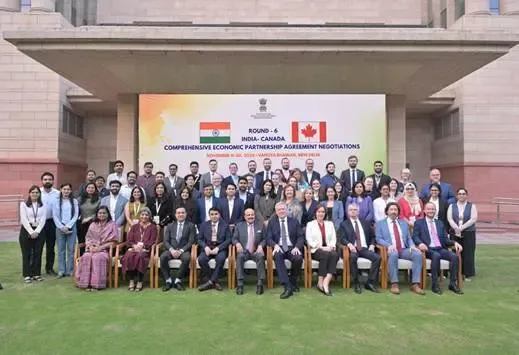
The sixth round of India-Canada CEPA negotiations was held in New Delhi from 11 to 20 November 2026 .
Talks covered trade in goods , trade in services , rules of origin , trade remedies , intellectual property , and investment promotion .
India was represented by Chief Negotiator Dr.
Brij Mohan Mishra ; Canada by Chief Negotiator Ms.
Mary-Catherine Speirs .
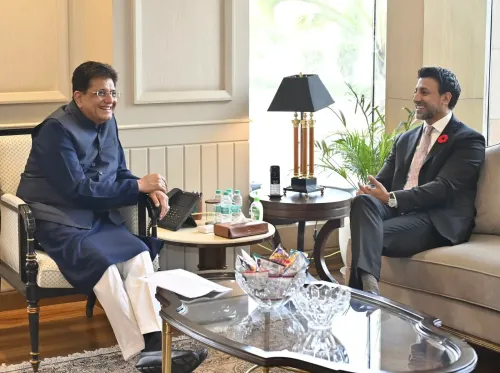
Commerce Secretary Rajesh Agrawal met Canadian Vice Minister Glenn Purves to review round outcomes.
Both sides reaffirmed commitment to a deal benefiting farmers, industries, businesses, and MSMEs in both countries.
No formal deadline for concluding the CEPA has been publicly announced.
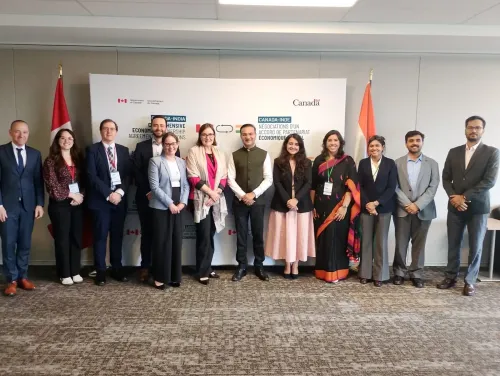
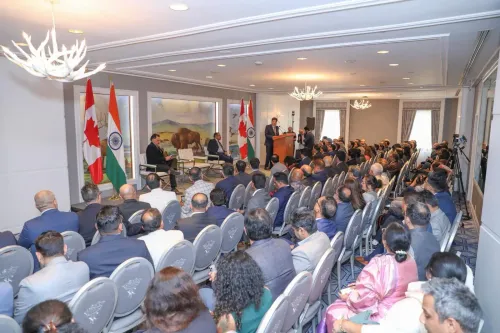
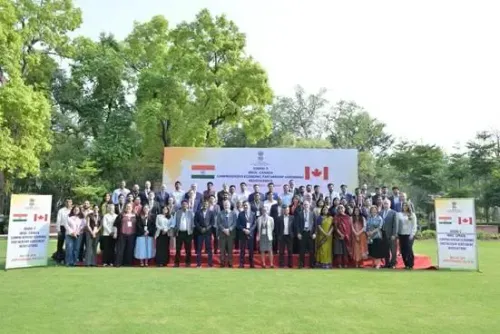
The sixth round of negotiations for the India-Canada Comprehensive Economic Partnership Agreement (CEPA) concluded in New Delhi on 20 November 2026, with both sides reporting constructive and substantive progress across key negotiating tracks, according to an official statement from the Ministry of Commerce & Industry. The ten-day round, held from 11 to 20 November 2026, covered a broad spectrum of trade and investment issues central to deepening bilateral economic ties.
Key Areas Covered in Negotiations
Talks spanned several critical domains, including trade in goods, trade in services, rules of origin, trade remedies, intellectual property, and investment promotion. Both delegations engaged in substantive discussions across these tracks, moving the negotiations measurably forward, the ministry said.
The Indian delegation was led by Dr. Brij Mohan Mishra, Chief Negotiator, while the Canadian side was represented by Ms. Mary-Catherine Speirs, Chief Negotiator. The involvement of senior-level negotiators on both sides signals the political weight both governments are placing on reaching a timely agreement.
Senior Officials Review Progress
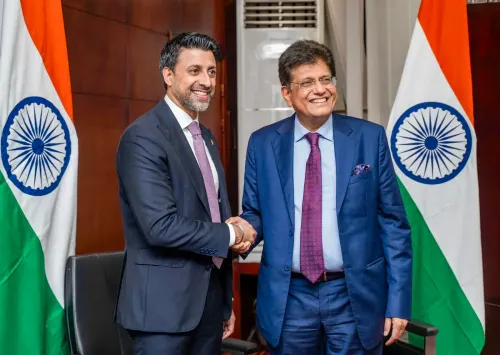
Towards the conclusion of the round, Commerce Secretary Rajesh Agrawal held a meeting with Glenn Purves, Vice Minister of International Trade of Canada, and his delegation in the national capital. The meeting, described as productive by the ministry, was used to review progress achieved during the sixth round and assess the overall status of CEPA discussions.
'The meeting provided an opportunity to review the progress achieved during the sixth round of negotiations and take stock of the overall status of the India-Canada CEPA discussions,' the ministry said in a statement.
What Both Sides Are Aiming For
Both parties reaffirmed their shared commitment to concluding an 'ambitious, balanced and commercially meaningful agreement' that delivers tangible benefits to farmers, industries, businesses, and Micro, Small and Medium Enterprises (MSMEs) in both countries. The proposed CEPA is expected to unlock new trade and investment opportunities, strengthen resilient and diversified supply chains, and deepen the broader economic partnership between India and Canada.
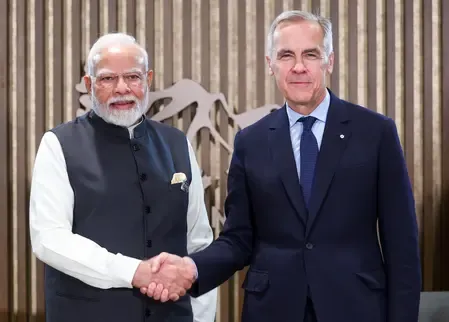
Discussions were guided by the shared objective of concluding negotiations within the ambitious timelines set by the leaders of both nations — a signal that political will at the highest levels remains intact despite the complexity of the issues on the table.
Context and Significance
The India-Canada CEPA process comes against the backdrop of a broader Indian push to expand its free trade agreement architecture — having already concluded deals with the UAE, Australia, and the European Free Trade Association (EFTA) in recent years. A deal with Canada would add a major developed-economy partner to India's trade network, with bilateral goods and services trade running in the billions of dollars annually. Notably, the CEPA also carries strategic weight given the two countries' growing people-to-people ties, particularly through the large Indian diaspora in Canada.
'The successful conclusion of the sixth round reflects the continued engagement and commitment of both sides towards advancing the negotiations and strengthening bilateral economic and commercial ties,' the government said.
With six rounds now complete, the trajectory points towards an intensified final stretch of negotiations, though no formal deadline for conclusion has been publicly announced.
Point of View
The India-Canada CEPA is moving — but 'constructive and substantive progress' is diplomatic language that tells us little about how far apart the two sides remain on market access, agricultural sensitivities, or data localisation. India's recent FTA track record — UAE and Australia deals concluded relatively swiftly, EFTA after years of delay — shows that momentum can evaporate without firm political deadlines. The reference to 'ambitious timelines envisaged by leaders' suggests both governments want a deal before domestic political windows close, but that pressure can cut both ways: rushing to a headline agreement risks locking in a shallow deal. The real test will come when tariff schedules and services commitments are on the table.
NationPress
21 Nov 2026
Frequently Asked Questions
What is the India-Canada CEPA?
The India-Canada Comprehensive Economic Partnership Agreement (CEPA) is a proposed bilateral free trade deal covering trade in goods, services, investment, and related areas. Negotiations were formally launched to deepen the two countries' economic ties, and the sixth round concluded in New Delhi on 20 November 2026.
What was achieved in the sixth round of India-Canada CEPA talks?
Both sides reported constructive and substantive progress across negotiating tracks including goods, services, rules of origin, trade remedies, intellectual property, and investment promotion. Commerce Secretary Rajesh Agrawal also held a senior-level review meeting with Canadian Vice Minister Glenn Purves during the round.
Who led the negotiations from India and Canada?
The Indian delegation was led by Chief Negotiator Dr. Brij Mohan Mishra, while the Canadian delegation was led by Chief Negotiator Ms. Mary-Catherine Speirs. Commerce Secretary Rajesh Agrawal also participated in a senior-level bilateral meeting.
Who will benefit from the India-Canada CEPA if concluded?
According to official statements, the agreement is intended to deliver tangible benefits to farmers, industries, businesses, and MSMEs in both India and Canada. It is also expected to strengthen supply chains and unlock new trade and investment opportunities.
When is the India-Canada CEPA expected to be finalised?
No formal public deadline has been announced. Both sides have stated that discussions are guided by 'ambitious timelines envisaged by the leaders of the two nations,' indicating political will to conclude negotiations relatively quickly, though the precise timeframe remains undisclosed.