India-Canada CEPA talks advance: Piyush Goyal meets trade minister Sidhu

Synopsis
India and Canada are pushing to revive and accelerate their long-stalled CEPA talks, with Commerce Minister Piyush Goyal meeting Canadian trade minister Maninder Sidhu on 11 November 2026. The renewed engagement marks a notable diplomatic and economic thaw, as both sides frame the pact as a catalyst for deeper commercial ties and market access — a signal worth watching given years of on-off negotiations.
Key Takeaways
Union Commerce Minister Piyush Goyal met Canadian Trade Minister Maninder Sidhu on 11 November 2026 to discuss the India-Canada CEPA .
Both sides reaffirmed commitment to a balanced, mutually beneficial agreement delivering meaningful market access.
Talks focused on leveraging complementary economic strengths across trade, investment, and commercial cooperation.
The CEPA has been in negotiations for several years, with progress interrupted by diplomatic tensions between New Delhi and Ottawa .
No specific timeline for concluding negotiations was announced; both sides indicated intent to accelerate the pace of talks.
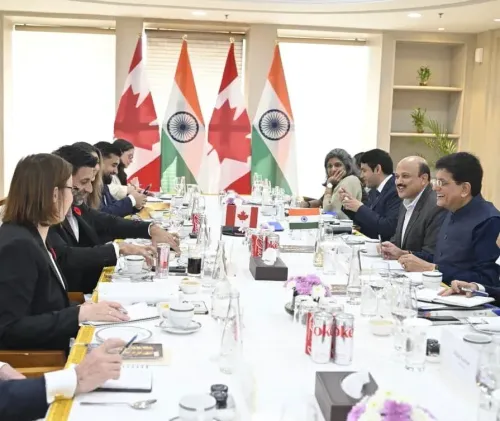
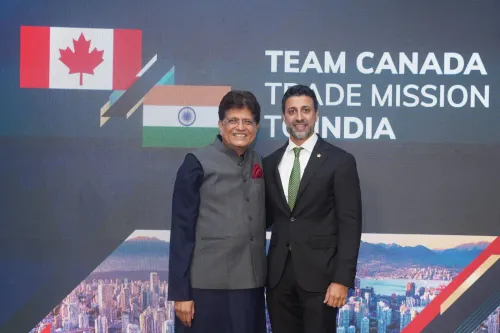
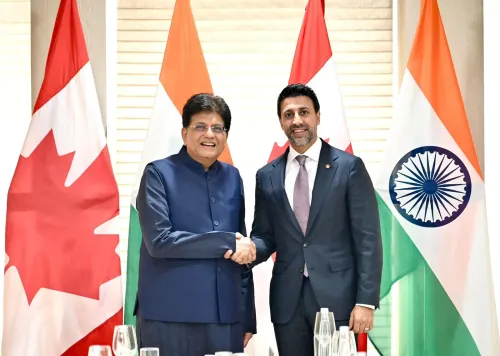
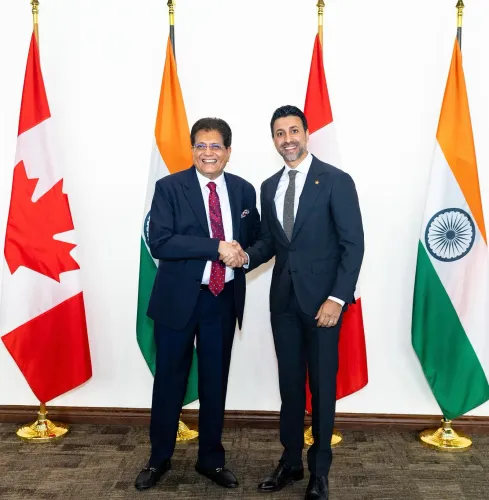
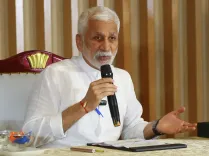
Union Commerce and Industry Minister Piyush Goyal on Wednesday, 11 November 2026, held a breakfast meeting with Maninder Sidhu, Canada's Minister of International Trade, to advance negotiations on the India-Canada Comprehensive Economic Partnership Agreement (CEPA). The two sides reaffirmed their shared commitment to elevating bilateral economic ties, with the CEPA positioned as the key driver of deeper commercial engagement and greater market access for businesses in both countries.
What Was Discussed
During the meeting, Goyal and Sidhu exchanged views on the importance of concluding a balanced and mutually beneficial agreement that delivers meaningful market access to businesses on both sides. The discussions also focused on leveraging the complementary strengths of the Indian and Canadian economies to boost trade, investment, and commercial cooperation.
According to Goyal, the talks centred on building a framework that supports long-term economic growth while opening fresh avenues for businesses and investors in both nations. 'Exchanged views on the importance of a balanced and mutually beneficial agreement that delivers meaningful market access, leverages the complementarities of our economies and creates new opportunities for trade and investment,' the minister stated.
Goyal's Statement on the Partnership
Sharing details of the meeting in a post on social media platform X, Goyal described the engagement as 'warm and engaging'. He said the two sides discussed accelerating CEPA negotiations and strengthening bilateral economic ties. 'Reaffirmed our shared commitment to taking the India-Canada economic partnership to new heights, with CEPA serving as a catalyst for deeper commercial engagement and shared prosperity,' he noted.
Why the CEPA Matters
A comprehensive India-Canada trade agreement has been under negotiation for several years, with talks having paused at various stages amid diplomatic tensions between New Delhi and Ottawa. The resumption of substantive engagement signals a thaw in the bilateral relationship and a mutual recognition that economic complementarities — particularly in energy, critical minerals, agri-products, and services — remain too significant to leave unexploited. This comes amid a broader global push by India to finalise trade pacts with major economies, having recently concluded or advanced agreements with the United Arab Emirates, Australia, and the United Kingdom.
What Comes Next
Both sides indicated they would work towards accelerating the pace of CEPA negotiations, though no specific timeline or round of talks was announced publicly. A comprehensive and balanced agreement, if concluded, could unlock significant opportunities for Indian exporters in sectors such as pharmaceuticals, IT services, and textiles, while offering Canadian businesses broader access to India's fast-growing consumer market. Industry stakeholders on both sides are expected to watch the next round of negotiating sessions closely for signals on market access commitments and investment protection provisions.
Point of View
Punctuated by a sharp diplomatic rupture in 2023 that froze engagement at multiple levels. The fact that talks are back on the table is meaningful, but the gap between reaffirmed commitments and a signed agreement remains wide. India's negotiating posture on market access for Canadian agricultural products and investor-state dispute mechanisms has historically been cautious, and Ottawa's domestic political pressures — particularly around dairy and farm lobbies — are unlikely to have eased. The real test will come when draft chapter texts circulate, not at a breakfast table in New Delhi.
NationPress
11 Nov 2026
Frequently Asked Questions
What is the India-Canada CEPA?
The India-Canada Comprehensive Economic Partnership Agreement (CEPA) is a proposed bilateral free trade pact aimed at delivering meaningful market access, boosting trade and investment, and leveraging the complementary strengths of both economies. Negotiations have been under way for several years, with progress interrupted at various stages.
What did Piyush Goyal and Maninder Sidhu discuss on 11 November 2026?
Commerce Minister Piyush Goyal and Canadian Trade Minister Maninder Sidhu held a breakfast meeting on 11 November 2026 to discuss accelerating CEPA negotiations and deepening bilateral economic engagement. They exchanged views on a balanced agreement that delivers meaningful market access and creates new trade and investment opportunities.
Why are India-Canada trade talks significant right now?
The meeting signals a notable thaw in India-Canada relations following a period of diplomatic tension. It also reflects India's broader push to finalise trade agreements with major economies, having recently advanced pacts with the UAE, Australia, and the UK.
When is the India-Canada CEPA expected to be concluded?
No specific timeline has been announced. Both sides indicated they would work to accelerate the pace of negotiations, but no date for a final agreement or the next formal negotiating round was publicly confirmed after the 11 November 2026 meeting.
Who is affected by the India-Canada CEPA?
Businesses and exporters in sectors such as Indian pharmaceuticals, IT services, and textiles stand to benefit from greater access to the Canadian market, while Canadian businesses could gain broader entry into India's large consumer economy. Investors on both sides are also expected to benefit from improved commercial frameworks under the pact.