Piyush Goyal, Canada's Maninder Sidhu push to seal India-Canada CEPA by year-end
Synopsis
India and Canada are sprinting toward a year-end trade deal. After the fourth round of CEPA negotiations wrapped up in New Delhi this week, Commerce Minister Piyush Goyal and Canada's Maninder Sidhu publicly reaffirmed their commitment to conclude the agreement — a mandate set directly by PM Modi and Canadian PM Carney at their March 2026 summit. With bilateral goods trade at $8.66 billion, a successful CEPA could fundamentally reshape India's trade architecture with the West.
Key Takeaways
Commerce Minister Piyush Goyal met Canadian Trade Minister Maninder Sidhu in New Delhi on 18 September 2026 to advance India-Canada CEPA talks.
Both sides reaffirmed a commitment to conclude the deal at the earliest possible date , with a year-end 2026 target set by PM Modi and Canadian PM Mark Carney in March.
The fourth round of CEPA negotiations concluded this week in New Delhi, covering goods, services, rules of origin, and technical trade barriers.
India-Canada bilateral goods trade stood at $8.66 billion in 2024-25 ; India's exports to Canada were $4.22 billion .
Key sectors in focus include energy , critical minerals , pharmaceuticals, IT services, and pulses.
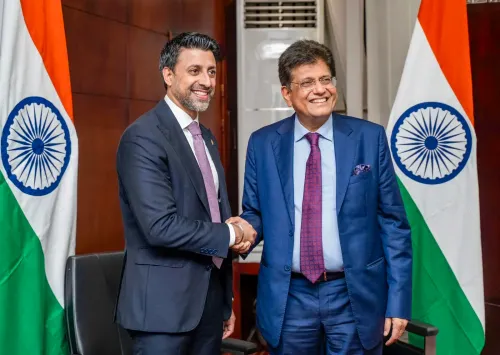
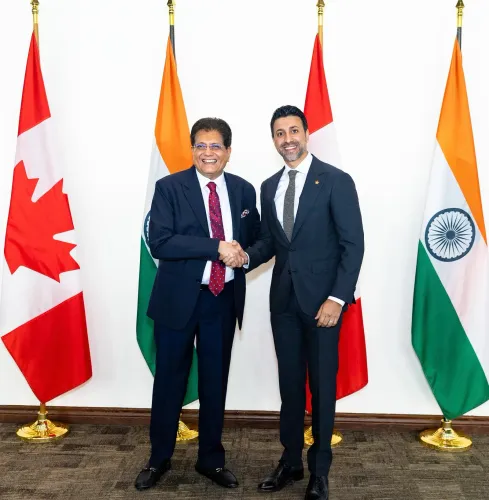
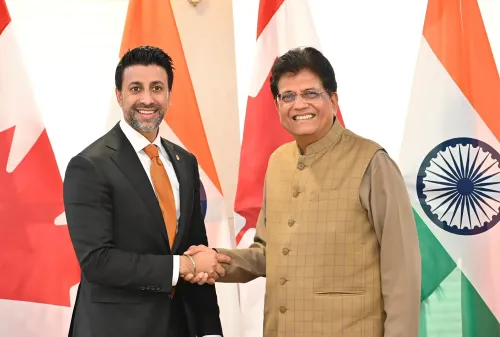
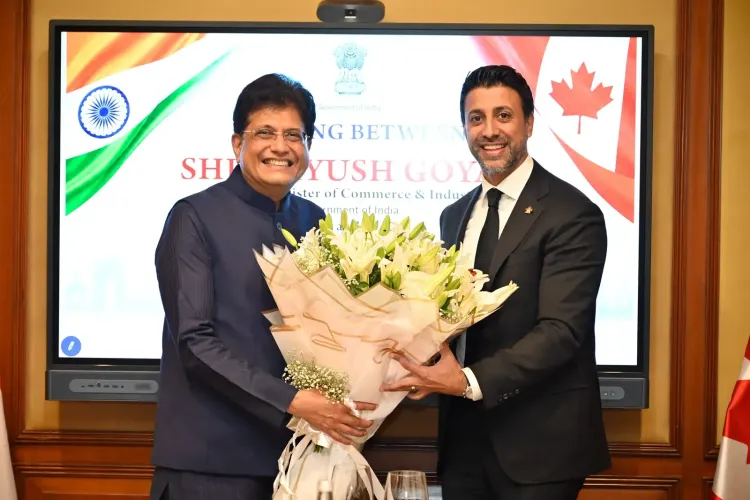
Commerce and Industry Minister Piyush Goyal on Friday, 18 September 2026, met Maninder Sidhu, Canada's Minister of International Trade, in New Delhi to advance negotiations on the India-Canada Comprehensive Economic Partnership Agreement (CEPA). Both ministers reaffirmed their governments' resolve to conclude the deal at the earliest, with a shared year-end deadline now firmly in focus.
What the Ministers Agreed
Following the meeting, Goyal posted on X that both sides reaffirmed 'our leadership's commitment to expedite negotiations and conclude CEPA at the earliest, unlocking new opportunities across trade in goods, services, and investment, among others.' The minister added he is confident that an early conclusion of the agreement will 'significantly increase bilateral trade and deepen the India-Canada economic partnership for mutual benefit.'
The Fourth Round of Talks
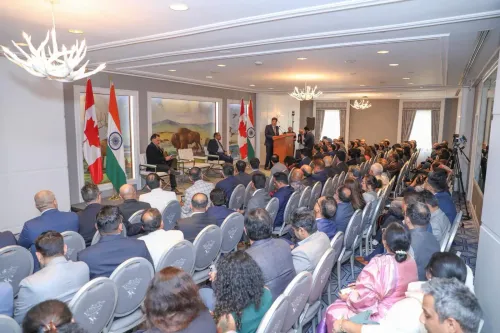
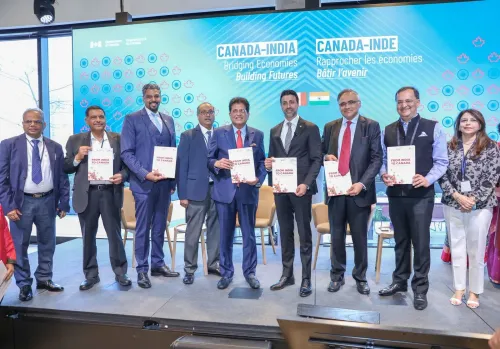
The bilateral meeting came on the sidelines of the fourth round of India-Canada CEPA negotiations, which took place in New Delhi this week over five days. The talks covered trade in goods, services, rules of origin, and technical trade barriers. This follows the third round held in Ottawa in July 2026, reflecting a marked acceleration in the negotiating pace.
The Modi-Carney Mandate
The push for an early deal traces directly to a bilateral summit between Prime Minister Narendra Modi and Canadian Prime Minister Mark Carney in New Delhi in March 2026. The two leaders set a year-end target to complete CEPA negotiations and agreed to deepen collaboration in the energy and critical minerals sectors — areas of strategic importance to both economies as global supply chains are restructured.
Trade Snapshot: Where India and Canada Stand
India-Canada bilateral trade in goods stood at $8.66 billion in 2024-25, with India's exports to Canada reaching $4.22 billion. Key Indian exports include pharmaceutical products, machinery and mechanical appliances, iron and steel articles, electronic goods, organic chemicals, jewellery, gems and precious stones, garments and textiles, seafood, and auto parts. Canada's major exports to India include pulses, fertilisers, mineral fuels, wood pulp, gems and precious stones, aircraft parts, and aluminium scrap. India's IT sector remains the primary driver of services exports to Canada.
What Happens Next
With the fourth negotiating round now concluded and the fifth expected before year-end, officials on both sides are under political pressure to finalise text on the most contentious chapters — rules of origin and services access — before the December deadline. A successful CEPA would mark the most significant upgrade in India-Canada economic ties in decades, and could serve as a template for India's ongoing trade negotiations with other developed economies.
Point of View
Data localisation, and services reciprocity have stalled multiple India-EU and India-UK trade rounds for years. The Modi-Carney personal mandate is an asset, but it cannot substitute for technical resolution. India's track record of near-miss trade deals — the UK FTA took years beyond successive 'imminent' deadlines — means the year-end target should be treated as an aspiration, not a guarantee. The real test is whether New Delhi and Ottawa can move beyond joint statements to binding text.
NationPress
18 Sept 2026
Frequently Asked Questions
What is the India-Canada CEPA?
The India-Canada Comprehensive Economic Partnership Agreement (CEPA) is a proposed free trade agreement covering goods, services, investment, rules of origin, and technical trade barriers. Negotiations were relaunched with renewed urgency after Prime Minister Narendra Modi and Canadian PM Mark Carney set a year-end 2026 target to finalise the deal.
Why did Piyush Goyal meet Maninder Sidhu?
Commerce and Industry Minister Piyush Goyal met Canada's Minister of International Trade Maninder Sidhu on 18 September 2026 in New Delhi to reaffirm political commitment to concluding the CEPA negotiations at the earliest. The meeting coincided with the conclusion of the fourth formal round of CEPA talks held this week in New Delhi.
What is the current state of India-Canada bilateral trade?
India-Canada bilateral trade in goods stood at $8.66 billion in 2024-25, with Indian exports to Canada totalling $4.22 billion. Key exports include pharmaceuticals, electronics, gems, garments, and auto parts, while Canada ships pulses, fertilisers, mineral fuels, and aluminium scrap to India.
When was the year-end CEPA deadline set, and by whom?
Prime Minister Narendra Modi and Canadian Prime Minister Mark Carney set the year-end 2026 target to complete CEPA negotiations during their bilateral meeting in New Delhi in March 2026. They also agreed to deepen cooperation in energy and critical minerals at that summit.
What are the key issues still being negotiated in the CEPA?
The fourth round of talks, held in New Delhi this week, covered trade in goods, services, rules of origin, and technical trade barriers. Rules of origin and services market access are among the most complex chapters in any such comprehensive trade deal and are expected to be central to remaining negotiations.