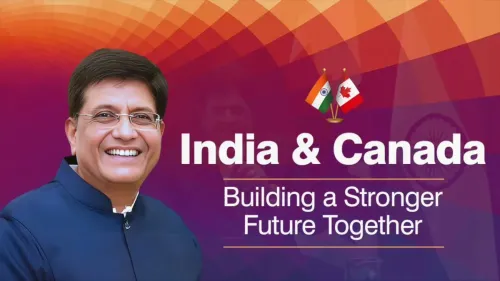
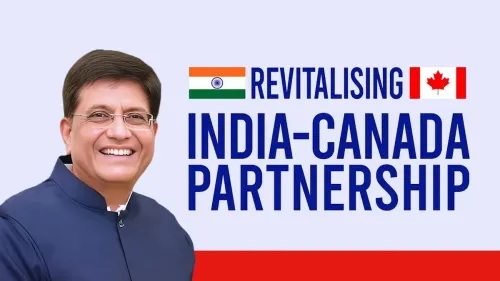
Piyush Goyal Holds CEPA Talks With Canada in Ottawa
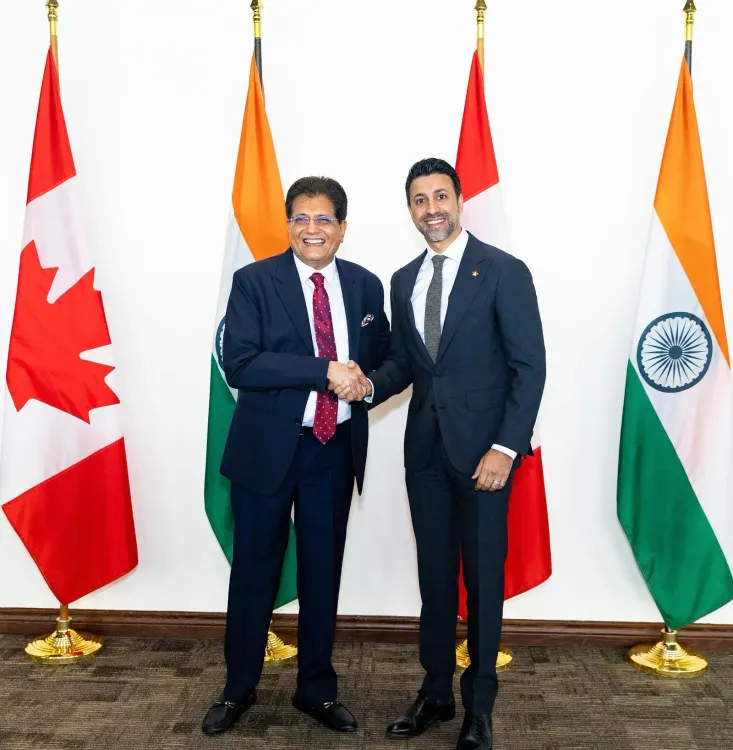
Synopsis
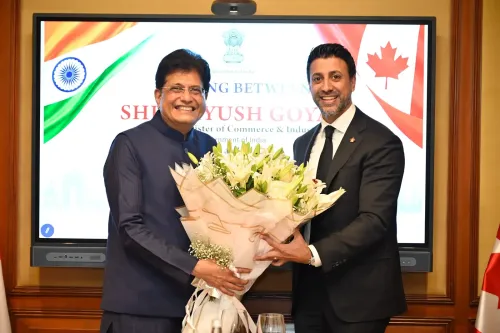
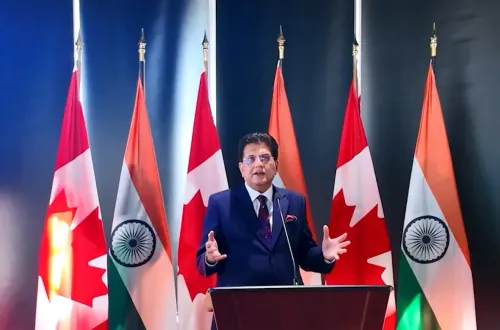
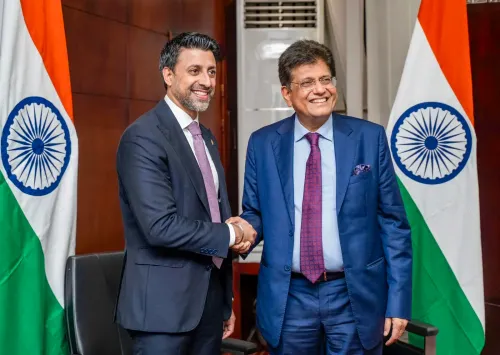
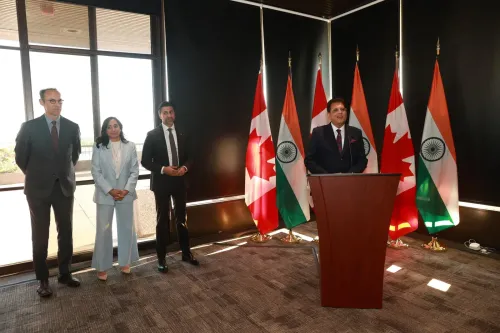
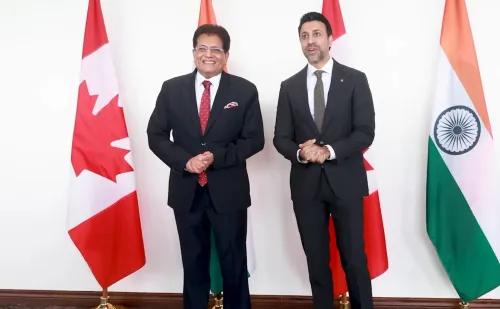
Union Commerce Minister Piyush Goyal met Canada's Trade Minister Maninder Sidhu in Ottawa on May 26, 2026, directing negotiating teams to advance a balanced and ambitious India-Canada CEPA covering goods, services, and investment — reviving talks first launched in 2010.
Key Takeaways
Union Commerce Minister Piyush Goyal held bilateral talks with Canada's Minister of International Trade Maninder Sidhu in Ottawa on May 26, 2026 .
Both ministers directed their teams to pursue a 'balanced, commercially meaningful and ambitious' India-Canada CEPA .
The CEPA negotiations were originally launched in November 2010 and cover goods, services, investment, and regulatory cooperation.
India has been pursuing a series of bilateral trade agreements with developed economies, including Australia , the UAE , and the United Kingdom .
A concluded CEPA is expected to benefit Indian exporters in textiles, pharma, and IT services, and improve Canadian business access to Indian markets.
The next milestone to watch is a concrete timeline or scope agreement from the negotiating teams following the ministerial mandate.
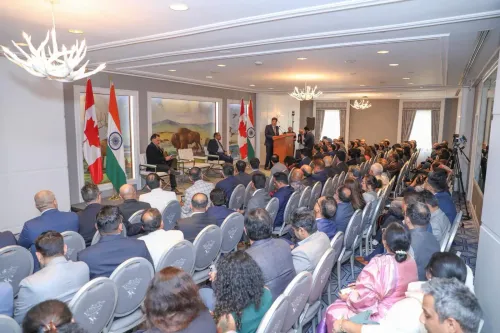
Union Commerce and Industry Minister Piyush Goyal held bilateral discussions with Canada's Minister of International Trade, Maninder Sidhu, in Ottawa on Tuesday, May 26, 2026, focused on advancing negotiations for the India-Canada Comprehensive Economic Partnership Agreement (CEPA). Both sides directed their negotiating teams to work toward a balanced, commercially meaningful, and ambitious agreement that delivers tangible benefits to businesses and citizens of both nations.
Context
Minister Goyal described the Ottawa meeting as 'constructive,' stating that both sides provided 'clear guidance to our teams to work towards a balanced, commercially meaningful and ambitious agreement that strengthens economic partnerships and delivers tangible benefits to businesses and citizens of both countries.' The meeting marks a renewed push to inject momentum into trade talks that have been in motion for over a decade.
The India-Canada CEPA negotiations were formally launched in November 2010 during then-Canadian Prime Minister Stephen Harper's visit to India. The proposed pact covers goods, services, investment, and regulatory cooperation between the two economies.
Policy Backdrop
India, now the world's fifth-largest economy, has accelerated its pursuit of comprehensive bilateral trade agreements with developed economies to diversify export markets and integrate into global value chains. Canada, a G7 member with strengths in resources, technology, and services, has long been identified as a priority partner in this outreach.
The CEPA push also fits within India's broader Indo-Pacific engagement strategy, which emphasises economic diversification beyond traditional partners. Alongside Canada, India has pursued or concluded similar agreements with partners including Australia, the UAE, and the United Kingdom.
Stakeholders and Impact
A concluded CEPA would open significant opportunities for Indian exporters in sectors such as textiles, pharmaceuticals, IT services, and agri-products, while offering Canadian businesses improved access to one of the world's fastest-growing consumer markets. Both governments have framed the agreement as a vehicle for job creation and supply-chain integration.
The bilateral trade relationship also carries a strong people-to-people dimension, given the large and economically active Indian diaspora in Canada. A commercially meaningful CEPA is widely seen as capable of formalising and scaling up economic ties that already exist at the community level.
What's Next
The immediate focus will be on whether the political-level guidance issued in Ottawa translates into a concrete timeline for the next formal round of CEPA negotiations. Observers will watch for any agreed scope adjustments or a target date for concluding talks, both of which would signal how seriously both sides intend to accelerate the process.
With Minister Goyal's visit establishing a fresh political mandate at the ministerial level, the onus now falls on negotiating teams from both sides to convert that direction into measurable progress on the outstanding chapters of the agreement.
Point of View
As it did with Australia and the UAE. The joint directive to negotiating teams is politically significant, but the real test will be whether it produces a structured timeline — something the talks have conspicuously lacked since 2010. The visit also carries diplomatic weight beyond trade, coming at a time when India-Canada relations have navigated a period of strain, making economic engagement a stabilising signal.
NationPress
10 Oct 2026
Frequently Asked Questions
What is the India-Canada CEPA?
The India-Canada Comprehensive Economic Partnership Agreement (CEPA) is a proposed bilateral trade pact covering goods, services, investment, and regulatory cooperation. Negotiations were formally launched in November 2010 but have progressed slowly over the years.
What did Piyush Goyal discuss in Ottawa?
Union Commerce Minister Piyush Goyal met Canada's Minister of International Trade Maninder Sidhu in Ottawa on May 26, 2026, to advance CEPA negotiations. Both ministers directed their teams to work toward a balanced, commercially meaningful, and ambitious agreement.
When did India-Canada CEPA talks begin?
India-Canada CEPA negotiations were formally launched in November 2010 during then-Canadian Prime Minister Stephen Harper's visit to India. The talks have been ongoing since then, covering goods, services, and investment.
How would an India-Canada trade deal benefit India?
A concluded CEPA could open Canadian markets to Indian exporters in sectors such as textiles, pharmaceuticals, IT services, and agricultural products, while also attracting Canadian investment into India's growing economy.
What is India's broader trade agreement strategy?
India has been pursuing comprehensive bilateral trade agreements with several developed economies, including Australia, the UAE, and the United Kingdom, as part of a strategy to diversify export markets and integrate into global value chains.