Piyush Goyal: India-Canada visit to lay foundation for CEPA

Synopsis
Commerce Minister Piyush Goyal, during a visit to Canada, said CEPA discussions would lay a strong foundation for deeper India-Canada engagement. The talks revive negotiations first launched in 2010, fitting India's broader push to expand bilateral trade ties with major economies.
Key Takeaways
Union Commerce Minister Piyush Goyal is on an official visit to Canada focused on CEPA negotiations, as of 27 May 2026 .
Goyal said the visit would lay a 'very strong foundation' for deeper India-Canada engagement.
India and Canada first launched CEPA negotiations in November 2010 ; talks stalled for years before the current revival.
India has concluded trade pacts with the UAE and Australia in 2022, and the Canada deal would extend that network to a G7 economy.
Key beneficiaries include Indian exporters in IT, pharma and textiles, and Canadian investors seeking access to India's market.
Joint statements and agreed tariff or services frameworks from the visit will signal how far negotiations have progressed.
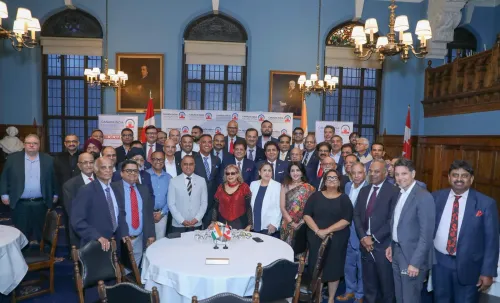
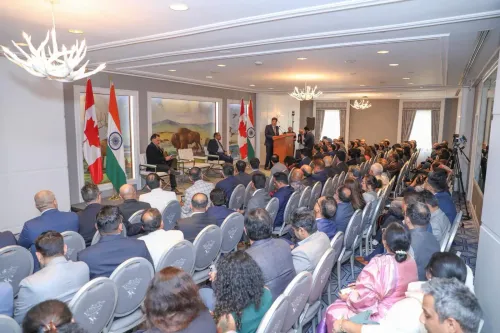
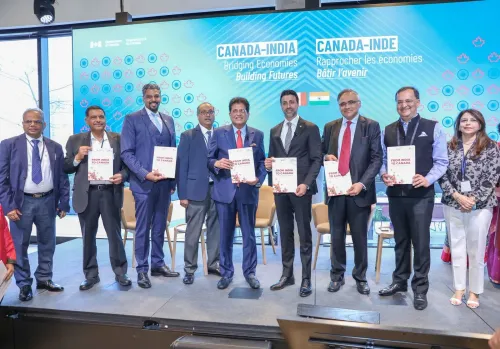
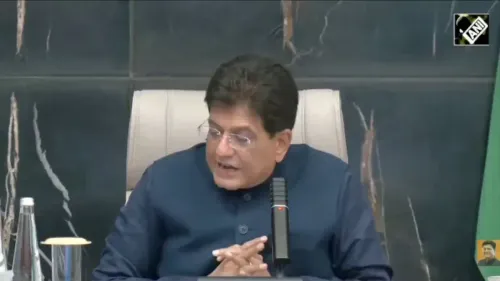
Union Commerce and Industry Minister Piyush Goyal on Wednesday, 27 May 2026, said his ongoing visit and discussions around a Comprehensive Economic Partnership Agreement (CEPA) with Canada would lay a 'very strong foundation' for deeper bilateral engagement and a 'brighter future' for the people of both nations.
Context
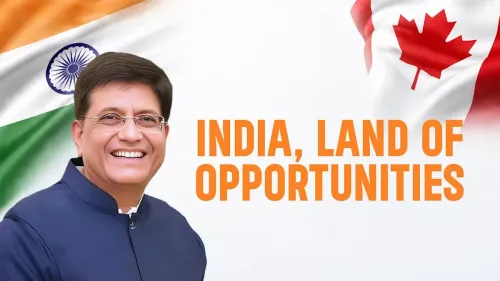
Minister Goyal posted on X that 'this visit and CEPA discussions will lay a very strong foundation for deeper India-Canada engagement and a brighter future for our people,' accompanied by the Indian and Canadian flags. The post signals an active phase of diplomatic and trade engagement between the two countries at the ministerial level.
India and Canada have a longstanding but periodically strained relationship, shaped by trade ambitions, a large Indian diaspora in Canada, and intermittent diplomatic friction. A high-level ministerial visit focused on CEPA represents a deliberate effort to place the economic relationship on a more structured footing.
Policy Backdrop
Formal CEPA negotiations between India and Canada were first launched in November 2010, during then-Canadian Prime Minister Stephen Harper's visit to India, with an early harvest trade agreement signed as a precursor step. The talks, however, stalled repeatedly over the intervening years due to differences on goods tariffs, services market access, and investment rules.
India has since built a track record of concluding bilateral trade pacts, signing agreements with Japan (2011), South Korea (2010), the UAE (2022) and Australia (2022). The Canada CEPA, if concluded, would extend India's web of preferential trade ties to a major G7 economy and open significant opportunities in sectors such as pharmaceuticals, information technology, and agriculture.
As the Leader of the House in the Rajya Sabha and a senior BJP leader, Goyal has been the principal face of India's trade negotiation agenda, overseeing engagements with the European Union, the United Kingdom, and multiple Indo-Pacific partners alongside the Canada track.
Stakeholders and Impact
Indian exporters in sectors including textiles, software services, gems and jewellery, and generic medicines stand to benefit from preferential access to the Canadian market, which imported goods and services worth billions of dollars annually from global partners. Canadian investors and businesses, particularly in natural resources, agri-tech, and financial services, have long sought a more predictable regulatory framework for entering the Indian market.
The large Indian-origin community in Canada — one of the largest diaspora populations in any Western country — adds a people-to-people dimension that both governments have cited as a driver for closer ties. A successful CEPA could also ease mobility arrangements for professionals and students moving between the two countries.
What's Next
Observers will watch for any joint statements, agreed tariff line schedules, or services-sector commitments emerging from the visit. Subsequent rounds of technical negotiations will determine whether the political momentum generated at the ministerial level translates into a finalised agreement text.
With India deepening its trade architecture across multiple geographies simultaneously, the pace of the Canada CEPA process will be a test of New Delhi's capacity to manage parallel high-stakes negotiations while maintaining the political will on both sides to bridge long-standing differences.
Point of View
Suggesting both sides are closer to a substantive CEPA framework than at any point since the 2010 launch. For the BJP government, sealing a deal with a G7 Western economy carries both economic and geopolitical signalling value, particularly as India positions itself as a rules-based trade partner distinct from China. The timing also reflects a broader pattern: India has used bilateral FTAs to compensate for slow progress at the WTO and to lock in market access before global supply-chain realignments harden. Whether the ministerial-level optimism survives the technical grind of tariff schedules and services chapters will define the CEPA's real trajectory.
NationPress
10 Oct 2026
Frequently Asked Questions
What is the India-Canada CEPA?
The India-Canada Comprehensive Economic Partnership Agreement (CEPA) is a proposed bilateral trade deal covering goods, services, investment and regulatory cooperation. Negotiations were first launched in November 2010 but stalled for years before being revived.
Why did India-Canada trade talks stall?
The talks stalled primarily over differences on tariff reduction schedules for sensitive goods, services market access, and investment protection rules, compounded at times by broader diplomatic tensions between the two countries.
What is Piyush Goyal's role in India's trade negotiations?
Piyush Goyal is India's Union Minister of Commerce and Industry and the principal negotiator for India's bilateral and regional trade agreements, including ongoing talks with Canada, the EU and the UK.
How does a Canada CEPA benefit India?
A CEPA with Canada would give Indian exporters in sectors like IT services, pharmaceuticals, textiles and gems preferential market access to a major G7 economy, while also potentially easing movement of professionals and students.
Which trade deals has India signed recently?
India has signed bilateral trade agreements with the UAE and Australia in 2022, and has active negotiations underway with Canada, the European Union and the United Kingdom as part of its strategy to diversify trade partnerships.