India-Canada CEPA talks: 4th round begins in New Delhi, year-end deal in sight
Synopsis
India and Canada are negotiating at pace — four rounds in under a year — with a year-end CEPA deadline set personally by Modi and Carney. If sealed, the deal could push bilateral trade from $8.66 billion to $70 billion by 2030, making it one of India's most ambitious trade agreements this decade, and a direct product of the diplomatic reset that followed Justin Trudeau's exit.
Key Takeaways
India and Canada launched the 4th round of CEPA negotiations in New Delhi on 14 September 2026 .
The five-day talks cover trade in goods, services, rules of origin , and technical trade barriers .
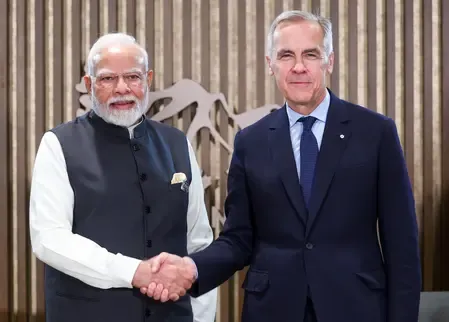
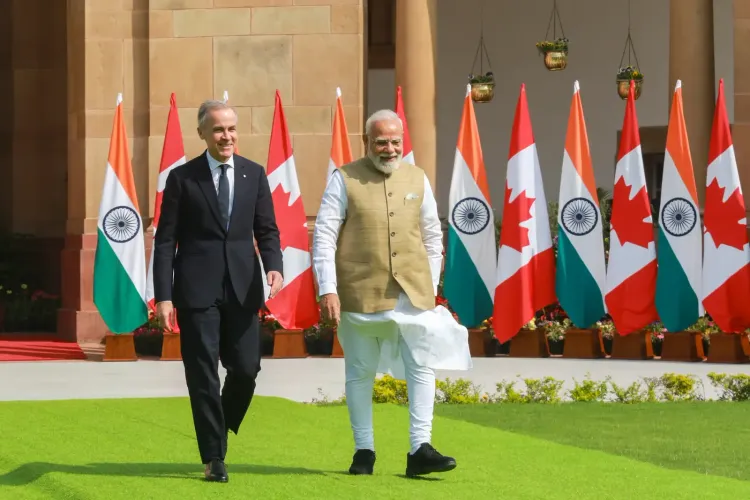
PM Modi and Canadian PM Mark Carney set a year-end 2026 deadline to conclude the CEPA during their March 2026 summit in New Delhi.
Bilateral goods trade stood at $8.66 billion in 2024-25 ; the joint target is Canadian $70 billion (₹4.65 lakh crore) by 2030 .
India's IT sector leads services exports to Canada; pharmaceuticals, machinery and electronic goods top goods exports.
Talks are progressing against the backdrop of a diplomatic reset following the end of Justin Trudeau's tenure as Canadian Prime Minister.
India and Canada on Monday, 14 September 2026, kicked off the fourth round of Comprehensive Economic Partnership Agreement (CEPA) negotiations in New Delhi, with both sides aiming to finalise the landmark trade deal before the end of this year, according to a senior official. The five-day round marks a significant step in the two countries' push to expand bilateral trade to Canadian $70 billion (₹4.65 lakh crore) by 2030.
Key Issues on the Table
The ongoing round covers a broad range of trade and regulatory subjects, including trade in goods, services, rules of origin, and technical barriers to trade. It follows the third round held in Ottawa in July, and brings negotiators closer to resolving the structural issues that have historically slowed progress on bilateral trade frameworks of this scale.
The Modi-Carney Summit That Set the Stage
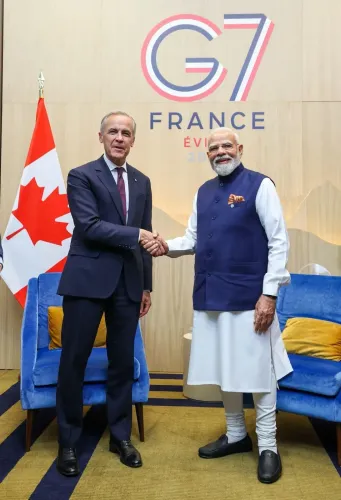
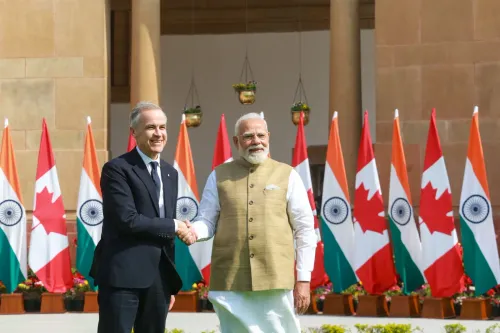
Prime Minister Narendra Modi and Canadian Prime Minister Mark Carney had set a year-end deadline to conclude the CEPA during their summit in New Delhi in March 2026. The two leaders also agreed to deepen collaboration in the energy and critical minerals sectors. A joint statement issued after the summit said the leaders expressed confidence that 'a comprehensive trade framework would serve as a durable economic anchor for the partnership.'
Where Trade Stands Today
India-Canada bilateral trade in goods stood at $8.66 billion in 2024-25, with India's exports to Canada reaching $4.22 billion. India's top export categories include pharmaceutical products, machinery and mechanical appliances, iron and steel articles, electronic goods, organic chemicals, jewellery and gems, garments and textiles, seafood, and auto parts. Canada, in turn, supplies India with pulses, fertilisers, mineral fuels, wood pulp, gems and precious stones, aircraft parts, and metal scrap. India's IT sector remains the primary contributor to services exports to Canada.
Diplomatic Reset Under Carney
Prime Minister Carney's visit to India earlier this year marked a decisive shift from the diplomatic freeze that characterised ties during his predecessor Justin Trudeau's tenure. Relations had deteriorated sharply after the Trudeau government was widely seen as failing to rein in Sikh extremist elements on Canadian soil who were pursuing an overtly anti-India agenda. Carney's election and his subsequent engagement with New Delhi effectively reset the bilateral relationship, creating the political space needed for CEPA negotiations to accelerate. Notably, this is the fastest pace of rounds since talks formally resumed.
What Comes Next
The five-day round in New Delhi is expected to narrow outstanding differences on goods tariffs and services market access, which remain the most contested chapters. If the year-end target holds, the CEPA could become one of the most consequential trade agreements India signs in this decade — covering a market of over 40 million Canadians and unlocking new corridors for Indian pharmaceuticals, IT services, and manufacturing exports.
Point of View
And quickly. But a year-end deadline is ambitious: India's trade deals have a long history of slipping timelines, and services market access — where Indian IT has the most to gain — remains one of the stickiest chapters in any CEPA. The $70 billion trade target by 2030 also represents more than an eightfold jump from current levels, which demands not just a signed agreement but deep regulatory alignment and investment facilitation that no CEPA alone can deliver. The real test will be whether the political goodwill between Modi and Carney survives the technical grind of tariff schedules and rules-of-origin disputes.
NationPress
14 Sept 2026
Frequently Asked Questions
What is the India-Canada CEPA?
The Comprehensive Economic Partnership Agreement (CEPA) is a proposed broad-based trade deal between India and Canada covering goods, services, investment, and regulatory cooperation. Prime Ministers Modi and Carney set a year-end 2026 deadline to conclude negotiations during their March 2026 summit in New Delhi.
What is being negotiated in the 4th round of talks?
The fourth round, which began on 14 September 2026 in New Delhi, covers trade in goods, services, rules of origin, and technical barriers to trade. The five-day session follows the third round held in Ottawa in July 2026.
What is the bilateral trade target between India and Canada?
India and Canada have jointly set a target of Canadian $70 billion (approximately ₹4.65 lakh crore) in bilateral trade by 2030. Current bilateral goods trade stood at $8.66 billion in 2024-25.
How have India-Canada relations changed under PM Carney?
Ties between India and Canada had deteriorated significantly under former Prime Minister Justin Trudeau, whose government was seen as tolerating Sikh extremist activity directed against India. PM Mark Carney's election and his subsequent visit to New Delhi marked a diplomatic reset, enabling CEPA talks to accelerate.
Which sectors are most important to India in the CEPA?
India's key interests include market access for pharmaceutical products, IT and technology services, machinery, electronic goods, garments, and auto parts. Canada's main exports to India include pulses, fertilisers, mineral fuels, and wood pulp.