India-Canada trade target: $50 bn by 2030 as CEPA talks gain pace
Synopsis
India and Canada are aiming to nearly double bilateral trade to $50 billion by 2030–31 — and Commerce Minister Piyush Goyal's visit to Ottawa with 100-plus business delegates is the most tangible signal yet that the diplomatic freeze of 2023 is thawing. Energy, uranium, critical minerals, and a long-stalled CEPA are all back on the table.
Key Takeaways
India and Canada are targeting $50 billion USD in bilateral trade by 2030–31 , up from approximately $25 billion USD currently.
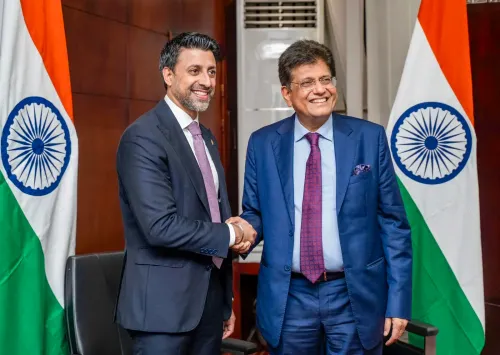
Union Commerce Minister Piyush Goyal is visiting Canada from 25–27 May with more than 100 Indian business delegates .
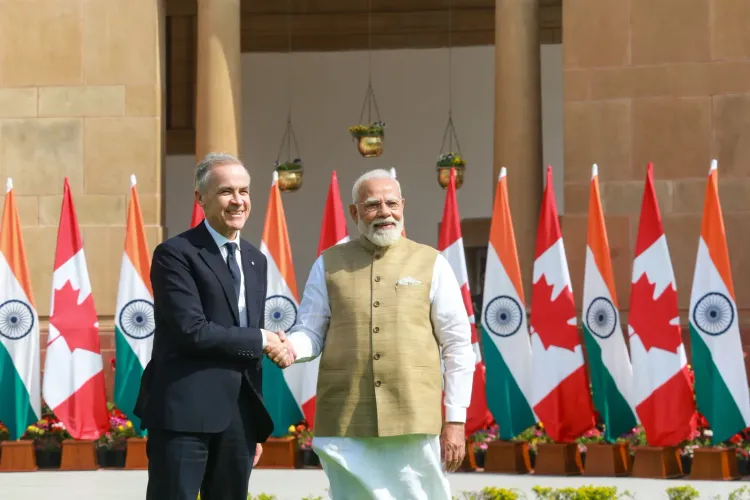
A $2.8 billion uranium deal was signed during the Canadian Prime Minister's recent visit to India.
Key sectors identified: energy (LNG, LPG, green hydrogen), critical minerals , fertilisers, AI, quantum research, and defence.
CEPA negotiations, paused since 2023 , are expected to gain fresh momentum from the ministerial visit.
Canada's investment summit in September could see significant Indian business participation.
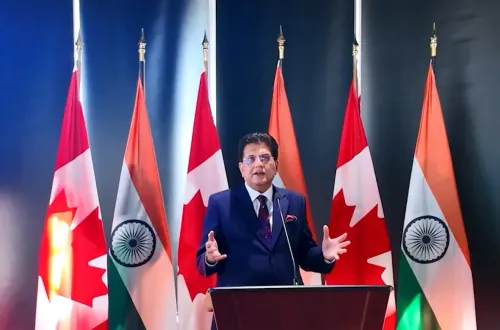
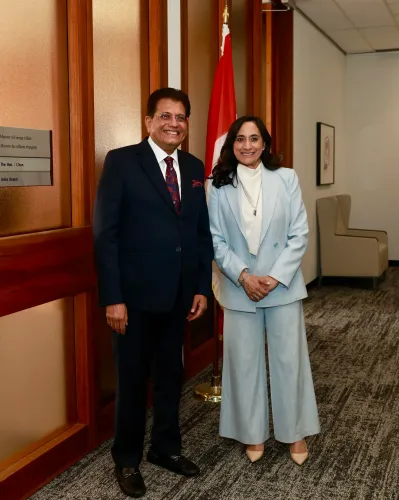
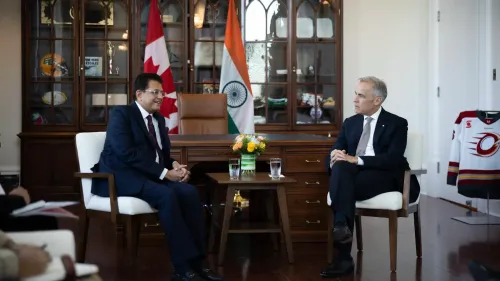
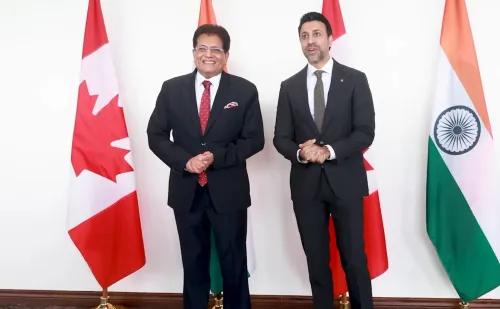
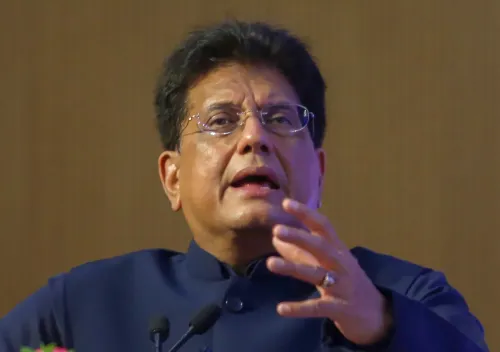
India and Canada are targeting a near-doubling of bilateral trade to $50 billion by 2030–31, as both nations move to reset economic ties and accelerate negotiations on a Comprehensive Economic Partnership Agreement (CEPA), India's High Commissioner to Canada, Dinesh K Patnaik, said in an exclusive interview. The remarks come ahead of Union Commerce and Industry Minister Piyush Goyal's three-day visit to Canada from 25–27 May, accompanied by one of the largest Indian business delegations ever to travel to the country.
A New Phase in Bilateral Ties
Patnaik described the ministerial visit as a powerful political and economic signal after years of strained relations. 'The very fact that this meeting is taking place is the success of the story,' he said. 'One year back one wouldn't have imagined an Indian minister coming with a hundred plus delegation to Canada.'
More than 100 Indian business representatives are expected to participate in meetings with Canadian industry groups, banks, pension funds, financial companies, and logistics firms. Bilateral trade currently stands at around 32 billion Canadian dollars, or approximately $25 billion USD. 'We are hoping to reach about 50 billion USD by 2030 or 2031,' Patnaik said.
Energy, Uranium and Critical Minerals at the Core
The envoy identified energy as one of the largest future growth sectors in the bilateral relationship. Areas of cooperation include crude oil, LNG, LPG, carbon capture technologies, renewable energy, and green hydrogen. India is also looking to deepen engagement with Canada in uranium supplies and nuclear technology — a deal worth $2.8 billion for uranium purchases was signed during the Canadian Prime Minister's recent visit to India.
Patnaik also highlighted opportunities in critical minerals, battery manufacturing, and storage technologies. 'Critical minerals come within the energy space,' he said. 'How do we access critical minerals? How to do the processing of critical minerals?' Canada's position as one of the world's largest producers of potash also makes it strategically important for India's fertiliser requirements.
Agriculture, AI and Defence on the Agenda
Beyond energy, the two sides are exploring collaboration in fertilisers, AgriFood, artificial intelligence (AI), quantum research, and defence cooperation. India and Canada are also examining stronger ties in agriculture technology, cold storage chains, irrigation systems, and food processing — sectors where Canadian expertise aligns with India's rural infrastructure needs.
CEPA Momentum and Investment Outlook
A key objective of Minister Goyal's visit is to inject fresh momentum into CEPA negotiations, which had stalled amid diplomatic tensions since 2023. Patnaik said the visit signals 'political will on both sides to finalise' the agreement. He added that Indian firms are closely monitoring regulatory reforms being undertaken by Canadian Prime Minister Mark Carney to simplify project approvals. Canada's proposed investment summit in September could also see significant Indian participation, according to the envoy.
Context: Rebuilding After a Diplomatic Freeze
India-Canada relations deteriorated sharply in 2023 following mutual accusations that led to a pause in trade negotiations and a weakening of diplomatic engagement. In recent months, both governments have resumed talks and signalled a clear intent to rebuild cooperation across trade, energy, and investment. This visit marks the most substantive high-level engagement between the two countries since that period, and analysts view it as a critical inflection point for a relationship that had been frozen at a pivotal moment for both economies.
Point of View
But the political symbolism of Goyal's visit matters more right now than the number itself. India-Canada ties collapsed with unusual speed in 2023, and the damage — to CEPA timelines, investment pipelines, and people-to-people trust — has been real. The uranium deal and the energy cooperation agenda suggest both sides have identified mutual dependencies worth protecting. The harder question is whether a CEPA can be finalised before domestic political pressures on either side reassert themselves — Canada has an election cycle ahead, and India's trade negotiating bandwidth is stretched across multiple simultaneous agreements. The September investment summit will be the next real test of whether this reset has institutional depth or is still running on diplomatic goodwill alone.
NationPress
22 Sept 2026
Frequently Asked Questions
What is India and Canada's bilateral trade target?
India and Canada are targeting bilateral trade of $50 billion USD by 2030–31, nearly double the current level of approximately $25 billion USD (around 32 billion Canadian dollars). The target was disclosed by India's High Commissioner to Canada, Dinesh K Patnaik.
What is the purpose of Piyush Goyal's visit to Canada in May 2025?
Union Commerce and Industry Minister Piyush Goyal is visiting Canada from 25–27 May 2025 to signal a reset in bilateral economic ties and provide momentum to stalled CEPA negotiations. He is accompanied by more than 100 Indian business delegates who will meet Canadian industry groups, banks, pension funds, and logistics firms.
What is the India-Canada CEPA?
The Comprehensive Economic Partnership Agreement (CEPA) is a proposed broad-based trade and investment pact between India and Canada. Negotiations were paused in 2023 amid diplomatic tensions and are now being revived, with both governments signalling political will to finalise the deal.
Why did India-Canada relations deteriorate in 2023?
Relations between India and Canada deteriorated sharply in 2023 following mutual accusations that led to a suspension of trade negotiations and reduced diplomatic engagement. Both countries have since resumed talks and are working to rebuild cooperation in trade, energy, and investment.
Which sectors are central to the India-Canada economic partnership?
Key sectors include energy (crude oil, LNG, LPG, green hydrogen, carbon capture), uranium and nuclear technology, critical minerals, battery manufacturing, fertilisers (potash), AgriFood, artificial intelligence, quantum research, and defence cooperation.