DMK politics defined by obscenity and defamation, says Tamil Nadu Minister S. Ramesh
Synopsis
Tamil Nadu Minister S. Ramesh called out the DMK for what he described as a culture of obscenity and defamation — triggered by senior DMK leader A. Raja's alleged personal attack on a sitting minister. With allegations flying at M.K. Stalin, Udhayanidhi Stalin, and former DMK officials, the exchange marks a sharp escalation in post-election political rhetoric in Tamil Nadu.
Key Takeaways
Ramesh , Tamil Nadu Hindu Religious and Charitable Endowments Minister, on 14 September accused the DMK of promoting a culture of obscene and defamatory political speech.
The remarks followed senior DMK leader A.
Raja's alleged personal attack on Law Minister R.
Nirmal Kumar during a DMK protest.
Ramesh accused former CM M.K.
Stalin of encouraging offensive conduct and alleged Udhayanidhi Stalin frequently made derogatory remarks against ministers.
The government warned of strict legal action against disparaging remarks targeting Chief Minister C.
Joseph Vijay , women, or the public.
Ramesh rejected AIADMK chief Edappadi K.
Palaniswami's claims of rising crimes against women, attributing law-and-order challenges to the previous government's failures.
The Singappen Special Task Force and a dedicated anti-drug wing were cited as steps to improve women's safety and law and order.
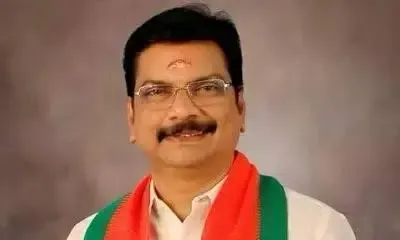
Tamil Nadu Hindu Religious and Charitable Endowments Minister S. Ramesh on Monday, 14 September levelled a sharp attack on the opposition Dravida Munnetra Kazhagam (DMK), accusing it of nurturing a political culture characterised by obscene, derogatory, and abusive rhetoric. Speaking to reporters in Tiruchi, Ramesh said the pattern of offensive language was not incidental but deeply embedded in the party's conduct.
What Triggered the Remarks
The minister's remarks came a day after senior DMK leader A. Raja allegedly launched a personal attack on Law Minister R. Nirmal Kumar during a DMK protest. Ramesh acknowledged that protests and demonstrations were fundamental democratic rights, but argued that political leaders must not weaponise such platforms for personal attacks or offensive language.
'Speaking obscenely, making defamatory remarks and spreading falsehoods are part of the DMK's DNA. It would be surprising if its leaders did not use such language. We will continue to oppose this political culture,' Ramesh said.
Allegations Against Stalin and Udhayanidhi
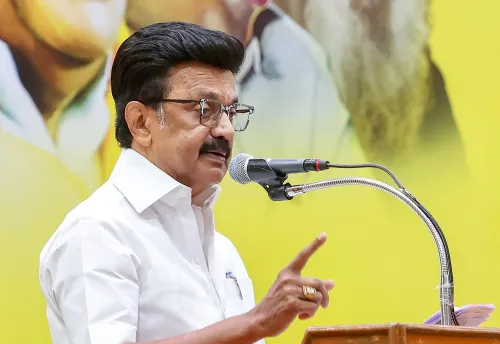
Ramesh also trained his fire on former Chief Minister M.K. Stalin, alleging that Stalin had actively encouraged such behaviour within the DMK. He further alleged that Opposition Leader Udhayanidhi Stalin routinely made double-meaning remarks and levelled cheap, derogatory criticism against sitting ministers. The minister framed these as a systemic failure of leadership within the party.
Warning on Remarks Against the Chief Minister
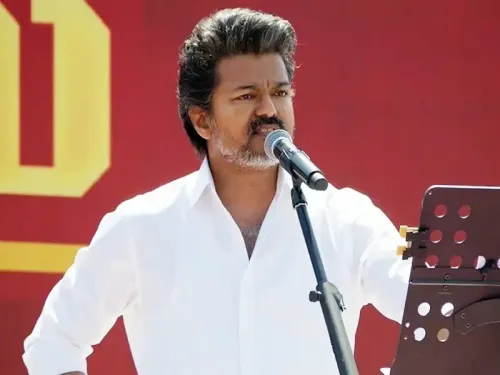
Responding to a question about a former DMK minister allegedly referring to Chief Minister C. Joseph Vijay in a disrespectful manner, Ramesh issued a firm warning. He said the government would initiate strict legal action against anyone making disparaging remarks about the Chief Minister, women, or members of the public. He added that those who had previously held charge of the Hindu Religious and Charitable Endowments Department were especially expected to uphold standards of morality and restraint.
Rejecting AIADMK's Law-and-Order Charge
Ramesh also pushed back against AIADMK general secretary Edappadi K. Palaniswami's claim that crimes against women had risen sharply in the first three months of the TVK government. He argued that the current law-and-order challenges were a direct consequence of systemic failures during the previous five years under the former administration. 'Even after the rain stops, the wind does not immediately subside. Similarly, the consequences of corruption and administrative failures under the former government continue. We are correcting them and will bring about comprehensive change,' he said.
Notably, the minister cited the launch of the Singappen Special Task Force and the creation of a dedicated anti-drug wing as concrete steps to strengthen women's safety and improve law and order across the state.
Sporting Ambitions and the Way Forward
In a brief departure from political attacks, Ramesh praised Chief Minister Vijay's push to develop Tamil Nadu as a premier sporting destination and foster internationally competitive athletes from the state. With political rhetoric running high ahead of further legislative sessions, the minister's remarks signal that the ruling dispensation intends to keep the opposition on the defensive over its conduct in public discourse.
Point of View
Rather than its own governance record, at the centre of public debate. The targeting of both M.K. Stalin and Udhayanidhi Stalin in the same breath suggests the ruling side is keen to delegitimise the opposition's entire leadership chain. What is notable, however, is that the government is yet to specify what legal provisions it would invoke against offensive speech — leaving the threat of 'strict action' somewhat vague. The AIADMK's separate charge about rising crimes against women, which Ramesh deflected by invoking inherited failures, deserves independent scrutiny rather than a weather metaphor.
NationPress
14 Sept 2026
Frequently Asked Questions
Why did Tamil Nadu Minister S. Ramesh attack the DMK on 14 September?
Minister S. Ramesh attacked the DMK after senior DMK leader A. Raja allegedly made a personal attack on Law Minister R. Nirmal Kumar during a DMK protest. Ramesh accused the party of a systemic culture of obscene and defamatory political speech, describing it as part of the DMK's DNA.
What did S. Ramesh allege against Udhayanidhi Stalin?
Ramesh alleged that Udhayanidhi Stalin, the Opposition Leader, routinely used double-meaning remarks and levelled cheap and derogatory criticism against sitting ministers. He also accused former Chief Minister M.K. Stalin of encouraging this behaviour within the party.
What legal action did the Tamil Nadu government threaten?
Minister Ramesh warned that the government would initiate strict legal action against anyone making disparaging remarks about Chief Minister C. Joseph Vijay, women, or members of the public. No specific legal provision was cited in his statement.
How did Ramesh respond to AIADMK's claim about rising crimes against women?
Ramesh rejected AIADMK general secretary Edappadi K. Palaniswami's claim that crimes against women had increased sharply in the TVK government's first three months, attributing the current challenges to systemic failures under the previous administration. He cited the Singappen Special Task Force and a new anti-drug wing as corrective measures.
What is the Singappen Special Task Force?
The Singappen Special Task Force is a law-enforcement initiative introduced by the Tamil Nadu government to strengthen women's safety and improve overall law and order in the state. Minister Ramesh mentioned it alongside a dedicated anti-drug wing as part of the government's corrective agenda.