India defends 9 WTO trade disputes, spent ₹2.43 crore on legal fees
Synopsis
India is simultaneously fighting nine trade battles at the WTO — covering steel tariffs, sugar subsidies, and ICT duties — with Japan, the EU, Brazil, Australia, Guatemala, and Chinese Taipei all lined up as complainants. With ₹2.43 crore already spent on legal fees and the WTO Appellate Body non-functional, several of these disputes have no resolution in sight.
Key Takeaways
India is defending nine active disputes at the WTO , as disclosed in Lok Sabha on 4 August .
Complainants include Japan , Brazil , Australia , Guatemala , the European Union , and Chinese Taipei . ₹2.43 crore has been spent so far on empanelled law firms; further costs depend on proceedings.
India's appeal in the Japan steel dispute (filed May 2019 ) is stalled due to the non-functioning WTO Appellate Body .
Sugar subsidy disputes involve alleged violations of the Agreement on Agriculture and ASCM rules.
ICT tariff disputes centre on alleged excess duties beyond India's WTO-bound rates under GATT 1994 .
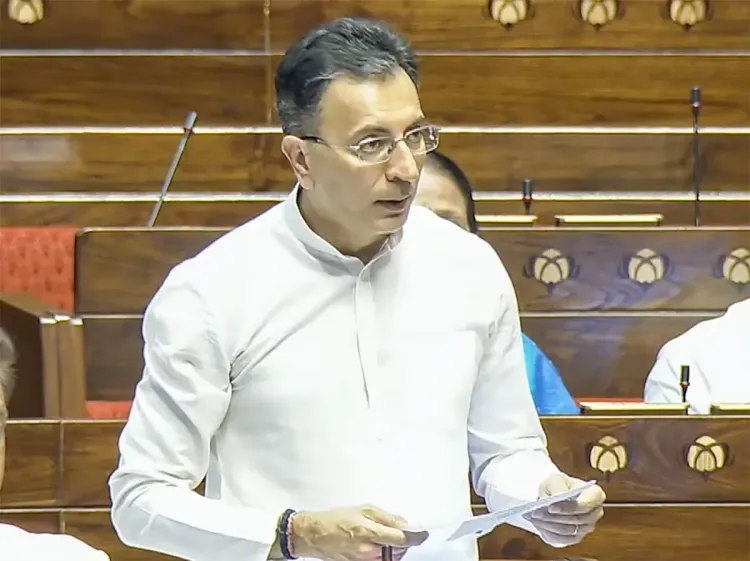
India is currently defending nine active trade disputes at the World Trade Organisation (WTO), with complainants including Japan, Brazil, Australia, Guatemala, the European Union, and Chinese Taipei, the Lok Sabha was informed on Tuesday, 4 August. The disclosure was made by Minister of State for Commerce and Industry Jitin Prasada in a written reply to parliament.
Key Disputes at a Glance
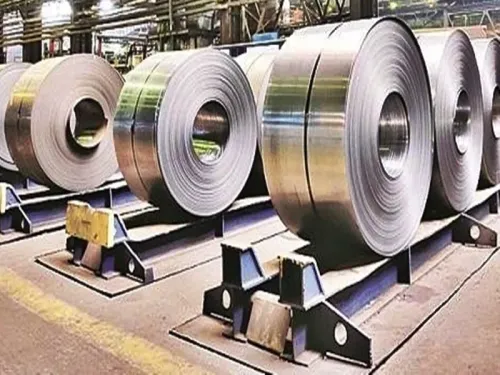
Japan in May 2019 challenged India's safeguard measures on certain iron and steel products, arguing they were inconsistent with WTO rules. India has appealed the panel ruling, but the appeal remains in limbo due to the non-functioning of the WTO Appellate Body — a systemic crisis that has stalled dozens of appeals globally since 2019.
Brazil, Australia, and Guatemala have disputed India's sugar and sugarcane support policies, alleging that export subsidies breach the Agreement on Agriculture and the Subsidies and Countervailing Measures (ASCM) rules. India has contested these claims before the WTO panel, maintaining that its sugar support schemes comply with its WTO commitments.
Separately, the European Union, Japan, and Chinese Taipei have raised disputes over India's tariff treatment on Information and Communications Technology (ICT) products. According to Prasada, the complainants allege that India has 'applied customs duties in excess of the bound rates recorded in India's WTO schedule, thereby according less favourable treatment to these ICT goods in violation of GATT 1994.'
Legal Machinery and Costs
To manage these disputes, the Department of Commerce has engaged three specialised bodies: the Centre for Trade and Investment Law, the Centre for WTO Studies, and a panel of empanelled law firms. So far, ₹2.43 crore has been spent on empanelled law firms, Prasada said, noting that further expenditure will depend on the trajectory of ongoing proceedings.
Why the WTO Appellate Body Crisis Matters for India
The paralysis of the WTO Appellate Body — caused by the United States blocking new appointments since 2017 — has left India's appeal in the steel dispute in a procedural vacuum. This is not unique to India; over 30 appeals are reportedly pending globally with no resolution mechanism in sight. For India, it means a dispute filed six years ago remains unresolved with no clear timeline.
Broader Context
India's WTO dispute exposure reflects the friction points of its trade policy: protective tariffs on industrial goods, agricultural support programmes, and technology import duties — all of which trading partners have repeatedly challenged. This comes amid a broader global push-back against industrial policy interventions, with the WTO dispute mechanism itself under strain. The government's position, as articulated by Prasada, is that India's measures are consistent with its international commitments and it will continue to defend them vigorously.
Point of View
But it is a signal. India's trade policy has long relied on tariff walls and support schemes that sit in tension with its WTO commitments — and trading partners are increasingly willing to litigate rather than negotiate. The Appellate Body paralysis, largely engineered by Washington, has paradoxically given India breathing room on the steel case, but it has also removed the one mechanism that could deliver a clean legal verdict either way. The real question is whether India's WTO defence posture is a holding action or part of a coherent long-term trade strategy — parliament's brief disclosure offers numbers, but no answer to that.
NationPress
4 Aug 2026
Frequently Asked Questions
How many WTO trade disputes is India currently defending?
India is currently defending nine trade disputes at the World Trade Organisation, as confirmed by Minister of State for Commerce and Industry Jitin Prasada in Lok Sabha on 4 August. The complainants include Japan, Brazil, Australia, Guatemala, the European Union, and Chinese Taipei.
What are the main issues in India's WTO disputes?
The disputes cover three broad areas: safeguard measures on iron and steel products (challenged by Japan), sugar and sugarcane export subsidies (challenged by Brazil, Australia, and Guatemala), and tariffs on ICT products above WTO-bound rates (challenged by the EU, Japan, and Chinese Taipei).
How much has India spent on legal fees for WTO disputes?
India has spent ₹2.43 crore on empanelled law firms so far, according to Jitin Prasada's statement in parliament. Additional costs will depend on the progress of ongoing dispute proceedings.
Why is India's WTO appeal in the Japan steel case still pending?
India appealed a WTO panel ruling in the Japan steel dispute, but the appeal remains unresolved because the WTO Appellate Body is non-functional. The body has been unable to hear new cases since 2019 due to the United States blocking appointments of new members.
Who represents India in WTO dispute proceedings?
India is represented by the Centre for Trade and Investment Law, the Centre for WTO Studies, and a panel of empanelled law firms, all coordinated by the Department of Commerce.