India targets 10,000 GI registrations by 2030, FTAs to boost exports
Synopsis
India's GI ambition has a number and a deadline — 10,000 registrations by 2030, up from just over 800 today. With filing fees cut 80 per cent and FTAs increasingly treating GI tags as trade assets, the country is making a serious bet that heritage certification can become a rural income multiplier and an export growth engine simultaneously.
Key Takeaways
India targets 10,000 GI registrations by 2030 , up from over 800 currently registered.
607 GIs have been granted since 2014 ; authorised users grew from 365 to 29,000 (as of January 2025).
The 2025 amendment cuts GI filing fees by 80 per cent and renewal fees from ₹3,000 to ₹500 .
GI tags can raise rural artisans' incomes by 20–30 per cent , according to the Ministry of Textiles .
FTAs are now a key vehicle for expanding international market access for GI-tagged products.
Channapatna toys (GI granted 2006 ) are cited as a model of how certification protects craft traditions against imitation.
India is pushing to reach 10,000 Geographical Indication (GI) registrations by 2030, positioning its heritage economy for deeper global integration as Free Trade Agreements (FTAs) open new export corridors for distinctive regional products, according to an official factsheet released on Tuesday, 4 August 2025. The country currently holds over 800 registered GI products, with 607 GIs granted since 2014.
Scale of India's GI Ecosystem
The growth in authorised users tells the sharpest story: from just 365 authorised users a decade ago, the number has surged to 29,000 as of January 2025 — a near-eightyfold increase. India's GI-tagged products span handicrafts, agricultural produce, manufactured goods, food products, and natural goods, reflecting the breadth of the country's regional heritage.
The 2025 amendment to GI-related regulations has significantly lowered entry barriers. Filing fees for GI applications and related processes have been cut by 80 per cent, while the renewal fee for a GI tag has been slashed from ₹3,000 to just ₹500 — a move aimed at encouraging smaller producer groups and rural artisans to formalise their claims.
Role of FTAs in Expanding Market Access
GI tags and FTAs are increasingly being treated as complementary instruments in India's trade strategy. While GI certification establishes authenticity and origin, FTAs reduce tariff and non-tariff barriers, creating a pathway for GI-tagged products to reach premium international markets. According to the factsheet, GIs have become a key negotiating point in India's ongoing and upcoming trade agreements — a signal that New Delhi sees them as economic assets, not merely cultural markers.
This comes amid India's active FTA push with partners including the European Union, the United Kingdom, and Gulf Cooperation Council countries, where demand for authenticated heritage products is growing.
Impact on Artisans and Rural Livelihoods
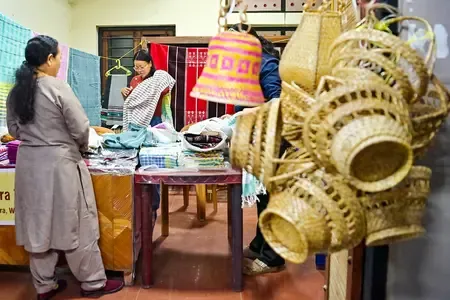
According to the Ministry of Textiles, a GI tag can raise rural artisans' incomes by 20–30 per cent by certifying origin and heritage, instilling buyer confidence, and improving market appeal. The factsheet notes that GI recognition enables artisans, weavers, and farmers to access premium markets, strengthen bargaining power, and capture a larger share of the value their work generates.
The case of Channapatna toys — which received GI recognition in 2006 — illustrates how targeted certification can protect a craft tradition. The tag applies exclusively to wooden toys produced in Karnataka's Channapatna region using the area's distinctive lacquerware technique, shielding local producers from imitation and unauthorised commercialisation.
Government Push and What Comes Next
The factsheet highlights that government initiatives are reinforcing the GI ecosystem through financial assistance, export promotion, tourism integration, and dedicated marketing platforms. Together, these are designed to convert GI products into engines of rural development, cultural preservation, and export-led growth.
Notably, reaching 10,000 registrations from the current 800-plus within five years is an ambitious trajectory — one that will require both accelerated outreach to producer communities and stronger enforcement against misuse. With the 2030 target now formally on the table, the pace of GI filings and the quality of post-registration support will be the real measures of success.
Point of View
000-registrations target is headline-grabbing, but the harder question is what happens after a GI tag is granted. India's track record shows that registration alone rarely translates into sustained income gains for artisans — post-certification marketing, enforcement against counterfeits, and linkage to export channels are where the real work lies. The 80 per cent fee reduction is a genuine access improvement, but filing volume is not the same as economic impact. The FTA angle is the more interesting development: if GI protections are embedded in trade deals with the EU or UK, they acquire enforceable international teeth — something domestic registration alone cannot provide.
NationPress
18 Sept 2026
Frequently Asked Questions
What is India's GI registration target for 2030?
India aims to reach 10,000 Geographical Indication (GI) registrations by 2030, up from over 800 currently registered. The target was outlined in an official factsheet released on 4 August 2025, as part of the country's broader push to strengthen its heritage economy and expand exports.
How have GI filing fees changed under the 2025 amendment?
The 2025 amendment reduced fees for filing GI applications and related processes by 80 per cent. The renewal fee for a GI tag was also cut sharply, from ₹3,000 to just ₹500, making it significantly easier for smaller producer groups and rural artisans to register.
How do GI tags benefit rural artisans and farmers?
According to the Ministry of Textiles, a GI tag can raise rural artisans' incomes by 20–30 per cent by certifying a product's origin and heritage, boosting buyer confidence, and improving access to premium markets. GI recognition also strengthens artisans' bargaining power and helps them capture a larger share of the value their products generate.
What role do Free Trade Agreements play in India's GI strategy?
FTAs complement GI tags by reducing trade barriers and improving export opportunities for authenticated regional products. GIs have become a key issue in India's trade negotiations, according to the official factsheet, meaning future FTAs could embed enforceable international protections for Indian GI products.
What is the Channapatna toys GI tag and why is it significant?
Channapatna toys received GI recognition in 2006, a tag that applies exclusively to wooden toys made in Karnataka's Channapatna region using its distinctive lacquerware technique. The certification protects local producers from imitation and unauthorised commercialisation, and is cited as a model of how GI recognition can safeguard traditional crafts.