India hosts 50% of world's GCCs, ranks 2nd in enterprise AI talent: CEA
Synopsis
India now hosts half the world's GCCs and ranks second globally in enterprise AI talent — a transformation CEA Nageswaran says was no accident. With revenues crossing $60 billion and 2 million-plus professionals employed, India's GCC story has shifted from cost arbitrage to core global innovation, with patents filed and global roles held right here.
Key Takeaways
India hosts approximately half of the world's GCCs , the largest concentration globally, according to CEA V.
Anantha Nageswaran .
India is the second-largest base for enterprise AI talent worldwide.
The sector has grown to more than 2,000 centres employing over 2 million professionals , with headcount trending toward 2.3 million .
Annual GCC revenues have exceeded $60 billion and are on track to approach $100 billion .
GCCs now contribute nearly 2 per cent of India's GDP and absorb a significant share of new office space in major cities.
Nageswaran said centres 'first came to India for cost; they stayed for capability,' reflecting a shift to high-value innovation work.
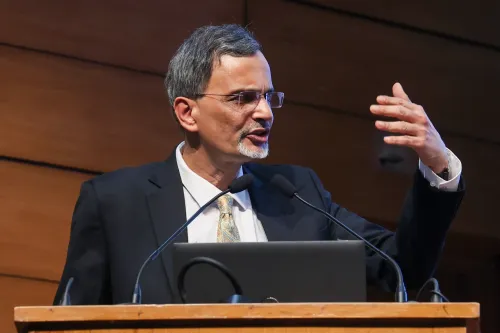
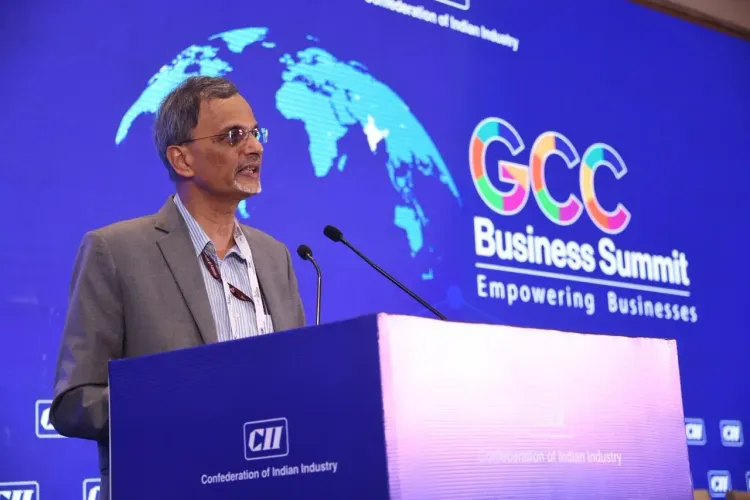
India now hosts approximately half of the world's Global Capability Centres (GCCs) and has established itself as the second-largest base for enterprise artificial intelligence (AI) talent globally, Chief Economic Adviser (CEA) V. Anantha Nageswaran said on Thursday, 9 July. Speaking at the CII GCC Business Summit in New Delhi, Nageswaran credited India's people and deep talent pool as the primary drivers behind this milestone.
Scale of the GCC Ecosystem
India's GCC sector has undergone a sweeping transformation over the past two decades, expanding from a small cluster of back-office units into a network of more than 2,000 centres employing over 2 million professionals. Employment in the sector is now trending toward 2.3 million, while annual revenues have surpassed $60 billion and are on course to approach $100 billion.
GCCs now contribute nearly 2 per cent of India's GDP and account for a significant share of new commercial office space absorbed across major Indian cities. Nageswaran noted that no other country comes close to India's scale in this segment.
From Cost Arbitrage to Core Innovation
'These centres first came to India for cost; they stayed for capability,' Nageswaran said, encapsulating the sector's evolution. Indian GCCs have moved well beyond traditional cost-efficient back-office support to undertake high-value work spanning technology, engineering, research, product development, analytics, and digital transformation.
Global banks now manage risk systems and trading platforms from Mumbai and Bengaluru. Automobile manufacturers design vehicles and embedded systems from Chennai and Pune. Semiconductor firms conduct chip design in India, pharmaceutical companies run clinical analytics, and consumer brands develop digital products from their Indian centres.
Intellectual Property and Global Roles
'The intellectual property created in these centres is real. The patents are filed here, the products are shipped from here, and global roles are increasingly held by people sitting here,' Nageswaran said. He added that Indian GCCs have become the operational core for many multinational companies, not merely offshore support units.
This shift signals a structural upgrade — from India being a destination for labour arbitrage to becoming a hub for genuine innovation and decision-making authority within global enterprises.
What This Means for India's Economy
The GCC boom is reshaping India's commercial real estate landscape, urban employment patterns, and technology export profile. With revenues approaching $100 billion and the talent base expanding, the sector is increasingly central to India's ambition of deepening its share of global technology services. This comes amid intensifying global competition from countries including Poland, Mexico, and the Philippines, making India's scale advantage a strategic asset that policymakers are keen to consolidate.
Industry observers expect the next phase of GCC growth to be driven by AI, semiconductor design, and advanced engineering — areas where India's talent pipeline is already being tested by global demand.
Point of View
But the more significant signal is qualitative: patents, global leadership roles, and product mandates are now originating from Indian centres — not just execution. Yet India's advantage remains concentrated in a handful of cities, and the talent pipeline faces real stress as AI automates the entry-level work that once fed the sector. The $100 billion revenue target is achievable, but sustaining it will require India to move faster on skilling, urban infrastructure, and IP frameworks than it has on any previous technology wave.
NationPress
8 Oct 2026
Frequently Asked Questions
What are Global Capability Centres (GCCs) and why does India dominate them?
Global Capability Centres are offshore units set up by multinational companies to handle technology, research, analytics, and operations work. India dominates because of its large English-speaking engineering talent pool, competitive costs, and a two-decade track record that has evolved from back-office support to core innovation work.
How many GCCs operate in India and how many people do they employ?
More than 2,000 GCCs operate in India, employing over 2 million professionals, with employment trending toward 2.3 million. No other country comes close to this scale, according to CEA V. Anantha Nageswaran.
What is the revenue contribution of India's GCC sector?
Annual revenues from India's GCC sector have exceeded $60 billion and are on track to approach $100 billion. The sector also contributes nearly 2 per cent of India's GDP.
What kind of work do GCCs in India do today?
Indian GCCs have moved far beyond back-office support. They now handle chip design, clinical analytics, vehicle engineering, trading platform management, and digital product development, with intellectual property, patents, and global roles increasingly based in India.
Where in India are GCCs concentrated?
GCC activity is spread across major cities including Mumbai, Bengaluru, Chennai, and Pune, each specialising in different sectors — from banking and fintech in Mumbai and Bengaluru to automotive engineering in Chennai and Pune.