India pushes balanced trade with Indonesia, eyes pharma and solar exports
Synopsis
India and Indonesia met in New Delhi for the second WGTI session, reviewing $24.78 billion in bilateral trade and pushing to unlock exports in pharma, solar, and autos — while floating a UPI-QRIS payment link that could reshape cross-border digital commerce between the world's most populous nation and Southeast Asia's largest economy.
Key Takeaways
India and Indonesia held the second WGTI meeting in New Delhi on 20 November 2026 .
Bilateral trade stood at $24.78 billion in FY 2025-26 ; Indonesia accounts for 19.30% of India's ASEAN trade.
India flagged export opportunities in pharmaceuticals , vaccines , solar products , automobiles , dairy , and electronics .
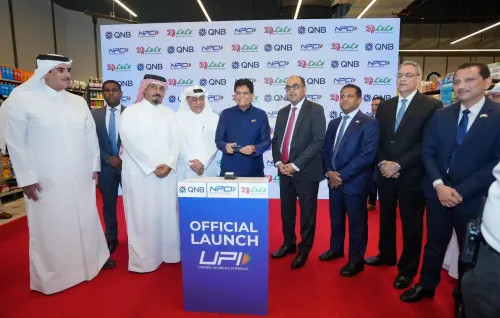
Both sides discussed linking India's UPI with Indonesia's QRIS for cross-border digital payments.
India called for early conclusion of the AITIGA review and proposed time-bound contact points to resolve exporter issues.
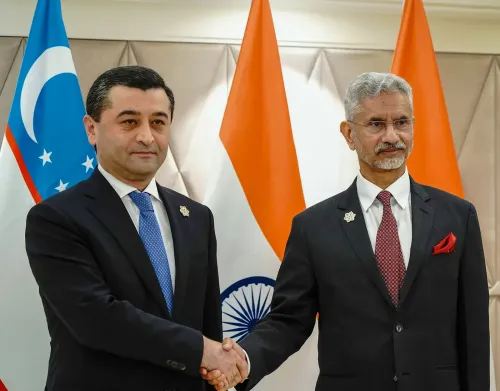
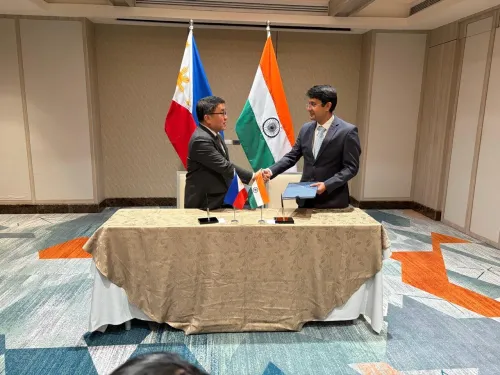
Delegations were led by Amit Verma (India) and Basaria Tiara Desika L.
India on 20 November 2026 underlined the importance of balanced and diversified trade with Indonesia, spotlighting export opportunities in pharmaceuticals, vaccines, medical devices, automobiles and components, machinery, dairy, rice, spices, electronics, and solar and energy-related products. The push came during the second meeting of the India-Indonesia Working Group on Trade and Investment (WGTI) held in New Delhi, where bilateral trade in FY 2025-26 was reviewed at $24.78 billion.
Bilateral Trade in Focus
Indonesia accounted for 19.30 per cent of India's total trade with the ASEAN bloc in FY 2025-26, underlining its strategic weight as a partner. Both delegations reviewed the current trade balance and identified sectors where Indian exports could be meaningfully scaled up. This comes amid a broader Indian push to deepen economic engagement across Southeast Asia, with Indonesia — the region's largest economy — a central pillar.
Key Market Access Issues on the Table
Discussions focused on resolving long-standing barriers faced by Indian exporters, including market access for peanuts, horticultural products, buffalo meat, and frozen shrimp. Additional sticking points included approval of establishments, halal certification procedures, standards and certification requirements for tyres and automobiles, registration of pharmaceuticals and AYUSH products, and local content requirements in electronics. India also proposed designating contact points in counterpart agencies for time-bound resolution of these issues. Indonesia, in turn, raised concerns about market access for its agricultural products and India's Quality Control Orders.
Services, Digital Payments and Energy Cooperation
Both sides explored cooperation in the services sector, covering mutual recognition of professional qualifications, mobility of professionals, social security, digital services, health, education, and tourism. Notably, the two countries deliberated on linking India's UPI payment system with Indonesia's QRIS — a move that could significantly ease cross-border digital transactions. Discussions also covered critical minerals and mining, renewable energy, green hydrogen, biofuels, fertilisers, and port and air connectivity. Local currency settlement and cooperation in banking and insurance were also on the agenda.
AITIGA Review and July 2026 MoUs
India underlined the importance of an early conclusion of the ASEAN-India Trade in Goods Agreement (AITIGA) review, signalling urgency around a framework that governs tariff and trade flows across the region. The two sides also reviewed the implementation of agreements and MoUs signed during the July 2026 bilateral visit, indicating follow-through on earlier commitments.
Who Led the Delegations
The Indian delegation was led by Amit Verma, Joint Secretary, Department of Commerce, Ministry of Commerce and Industry. The Indonesian side was led by Basaria Tiara Desika L. Gaol, Director of Bilateral Negotiation, Ministry of Trade, Indonesia. With a structured working group mechanism now in place, the next steps will hinge on how quickly both sides can operationalise the contact-point framework and move outstanding market access disputes toward resolution.
Point of View
But India's persistent trade deficit with Indonesia — driven by palm oil and coal imports — is precisely why New Delhi is pushing 'balanced and diversified' trade rather than simply 'more' trade. The proposed UPI-QRIS linkage is the most concrete and strategically significant item on the table: digital payment interoperability has proven a durable lever for Indian economic influence, and Indonesia's 270-million-strong consumer base makes it a high-value target. The real test, however, lies in resolving the halal certification and AYUSH registration gridlocks that have blocked Indian exporters for years — structural barriers that working-group communiqués have flagged before without achieving breakthrough.
NationPress
20 Nov 2026
Frequently Asked Questions
What is the India-Indonesia WGTI and what did it discuss?
The India-Indonesia Working Group on Trade and Investment (WGTI) is a bilateral forum to review trade relations and resolve commercial disputes. At its second meeting in New Delhi on 20 November 2026, it covered market access barriers, digital payment linkage, energy cooperation, and the AITIGA review.
What is the current level of India-Indonesia bilateral trade?
Bilateral trade between India and Indonesia stood at $24.78 billion in FY 2025-26, with Indonesia accounting for 19.30 per cent of India's total trade with the ASEAN bloc.
What is the UPI-QRIS linkage being discussed between India and Indonesia?
India and Indonesia are exploring the linkage of India's Unified Payments Interface (UPI) with Indonesia's Quick Response Code Indonesian Standard (QRIS) to enable cross-border digital transactions. Such a link would allow consumers and businesses in both countries to transact digitally without converting currencies or using card networks.
What market access barriers did India raise with Indonesia?
India raised issues including market access for peanuts, horticultural products, buffalo meat, and frozen shrimp, as well as halal certification procedures, tyre and automobile standards, pharmaceutical and AYUSH product registration, and local content requirements in electronics. India proposed designating contact points for time-bound resolution of these issues.
What is the AITIGA review and why does India want it concluded early?
The ASEAN-India Trade in Goods Agreement (AITIGA) review is a renegotiation of the existing free trade framework governing tariffs and goods trade between India and the ten-member ASEAN bloc. India is pushing for an early conclusion to secure more favourable and updated terms that better reflect current trade patterns and export priorities.