India CPI inflation hits 6.09% in October, economists see 2nd rate hike in December
Synopsis
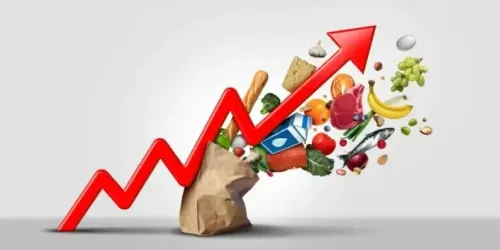
India's October CPI print of 6.09% — a two-year high — has crossed the RBI's upper tolerance band, and economists at DBS Bank and Axis Bank are now openly calling for a second successive rate hike in December. With food inflation at 8.94% and an unfavourable base effect ahead, the central bank's rate path is turning more aggressive than markets had priced in.
Key Takeaways
India's CPI inflation rose to 6.09 per cent in October 2026 , a two-year high , up from 5.54 per cent in September.
Food inflation (CFPI) accelerated to 8.94 per cent in October from 7.74 per cent in September.
Rural inflation stood at 6.63 per cent ; urban inflation at 5.41 per cent .
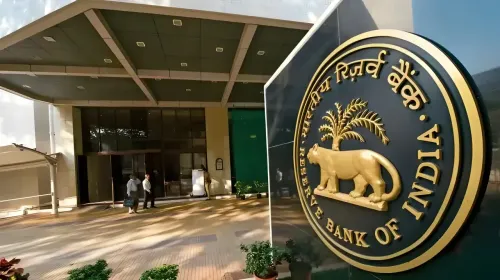
The MPC unanimously hiked the repo rate by 25 bps to 5.5 per cent on 7 October 2026 ; a second hike is widely expected in December.
Economists at DBS Bank and Axis Bank warn rates could need to rise above the neutral rate of 6 per cent .
Restaurants and accommodation inflation hit 10.06 per cent ; personal care and miscellaneous services at 10.14 per cent .
India's Consumer Price Index (CPI)-based retail inflation climbed to 6.09 per cent (provisional) in October 2026, breaching the upper tolerance limit of the Reserve Bank of India's (RBI) target band and touching a two-year high. Economists say the data firmly reinforces expectations of a second successive repo rate hike at the December monetary policy meeting.
The reading marks a sharp jump from 5.54 per cent recorded in September 2026, with food prices emerging as the primary driver of the acceleration.
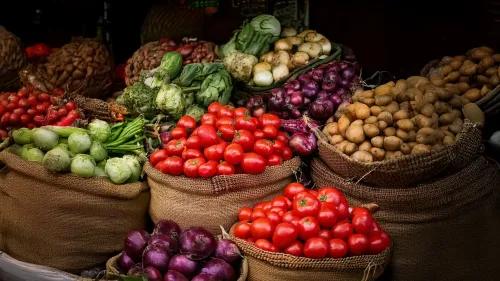
Food Prices Drive the Surge
Food inflation, measured by the Consumer Food Price Index (CFPI), accelerated to 8.94 per cent in October from 7.74 per cent in the preceding month. The pressure was broad-based, spanning both rural and urban India.
Rural inflation climbed to 6.63 per cent, while urban inflation stood at 5.41 per cent. Food inflation in rural areas hit 9.09 per cent, compared with 8.68 per cent in urban areas — a spread that underlines how persistently elevated food costs are weighing on households across geographies.
Beyond food, restaurants and accommodation recorded inflation of 10.06 per cent, while personal care, social protection, and miscellaneous goods and services registered 10.14 per cent, signalling that price pressures are spreading into services as well.
What Economists Are Saying
Radhika Rao, Senior Economist and Executive Director at DBS Bank, said the inflation print has set the stage for further tightening. 'With headline inflation yet to peak, compounded by an unfavourable base effect, the central bank's quarterly projection is likely to be revised higher. The data reinforces our expectation of a second successive rate hike in December,' she said.
Tanay Dalal, Senior Vice President at Axis Bank's Business Economic Research division, warned that the numbers 'increase the risk that policy rates may need to rise above the estimated neutral rate of 6 per cent' — a threshold that would mark a more aggressive tightening cycle than markets had previously anticipated.
Anil Gupta, President of PHDCCI, urged close monitoring of food price developments. 'The increase in retail inflation highlights the importance of closely monitoring food price developments. While inflation trends across individual categories remain varied, the food component warrants particular attention given its significance in the consumption basket,' he said.
Rate Hike Trajectory So Far
The Monetary Policy Committee (MPC) voted unanimously to raise the policy repo rate by 25 basis points to 5.5 per cent on 7 October 2026. That decision followed a broader global shift toward hawkish monetary policy, with the US Federal Reserve also hiking by 25 bps in September as inflation remained sticky in key economies.
If the RBI moves again in December as economists now widely expect, the repo rate would cross 5.75 per cent — approaching the neutral rate that Axis Bank's Dalal flagged as a potential ceiling, though one that may now be in question.
What This Means for Borrowers and Markets
A second consecutive rate hike would translate into higher equated monthly instalments (EMIs) for home, auto, and personal loan borrowers, as banks typically pass on repo rate increases within weeks. It also adds pressure on rate-sensitive sectors including real estate and consumer durables.
With headline inflation yet to peak — and the base effect turning unfavourable in the coming months — the RBI's December meeting is shaping up as a pivotal moment for India's monetary policy trajectory in the second half of 2026.
Point of View
Inflation has cleared the RBI's 6 per cent upper band, and the unfavourable base effect means the peak may still be ahead. The unanimity of the October MPC vote suggests the committee is aligned on tightening, but the more important question is how far rates will ultimately go. Axis Bank's reference to the 6 per cent neutral rate as a potential floor, not a ceiling, is the detail markets should not miss. If food prices do not ease materially before December, the RBI may find itself in a prolonged tightening cycle at the worst possible time for over-leveraged retail borrowers and a housing market that has priced in rate stability.
NationPress
12 Nov 2026
Frequently Asked Questions
What is India's CPI inflation rate for October 2026?
India's CPI-based retail inflation rose to 6.09 per cent (provisional) in October 2026, up from 5.54 per cent in September. This is the highest reading in two years and breaches the upper limit of the RBI's 2–6 per cent tolerance band.
Why are economists expecting a repo rate hike in December 2026?
Economists expect a second successive repo rate hike in December because October inflation has crossed the RBI's 6 per cent upper tolerance limit and food prices remain elevated. DBS Bank's Radhika Rao noted that an unfavourable base effect is likely to keep inflation high in the near term, reinforcing the case for further tightening.
What is driving food inflation in India?
Food inflation, measured by the Consumer Food Price Index, jumped to 8.94 per cent in October 2026 from 7.74 per cent in September. The increase was broad-based, with rural food inflation at 9.09 per cent and urban food inflation at 8.68 per cent.
What is the current RBI repo rate after the October 2026 hike?
The repo rate currently stands at 5.5 per cent, after the Monetary Policy Committee unanimously raised it by 25 basis points on 7 October 2026. If the RBI hikes again in December, the rate would rise to 5.75 per cent.
How does the October inflation data affect borrowers?
A second successive repo rate hike would likely push up EMIs on home, auto, and personal loans, as commercial banks typically transmit rate increases within weeks. Rate-sensitive sectors such as real estate and consumer durables are also expected to feel the pressure if borrowing costs continue to rise.