CPI inflation rises to 4.82% in August on food price surge, rate hike risk grows
Synopsis
India's retail inflation jumped to 4.82% in August, its second consecutive monthly rise, as onion prices surged nearly 50% and ginger shot up over 73% on monsoon disruptions. CareEdge Ratings now warns a sustained uptick could force the RBI's hand on a rate hike — making the October MPC meeting one of the most consequential in recent months.
Key Takeaways
CPI inflation rose to 4.82% in August 2026 , up from 4.5% in July, driven by food prices.
Food inflation increased to 5.66% ; rural food inflation was higher at 6.13% .
Ginger (+73.82%), onion (+48.27%), and garlic (+43.60%) posted the sharpest year-on-year price rises.
Silver jewellery prices surged 107.11% ; gold and platinum jewellery rose 35.53% , lifting personal care category inflation to 15.21% .
CareEdge Ratings forecasts CPI to average around 5% for FY27 , peaking in Q3 .
A sustained inflation rise 'could strengthen the case for a rate hike,' according to CareEdge Chief Economist Rajani Sinha ; the October RBI MPC meeting is in focus.
Retail inflation climbed to 4.82% in August 2026 from 4.5% in July, driven predominantly by higher food prices, according to data cited by industry body PHDCCI. CareEdge Ratings Chief Economist Rajani Sinha warned on Monday that the inflation outlook remains vulnerable to weather-related disruptions and external energy risks, and that a sustained uptick could strengthen the case for a rate hike.
Food Inflation in Focus
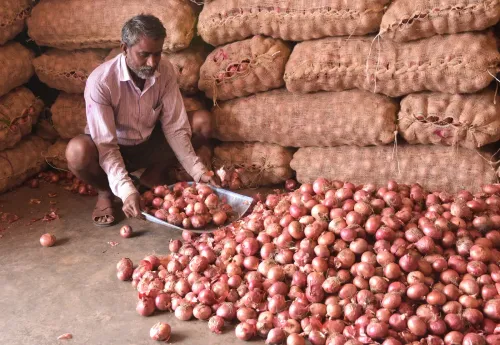
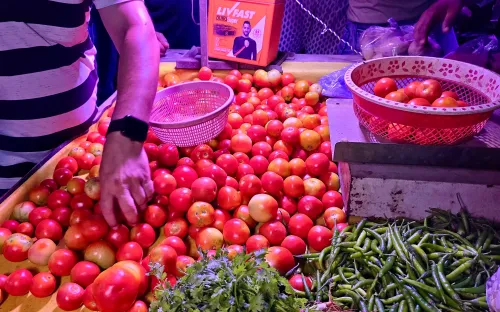
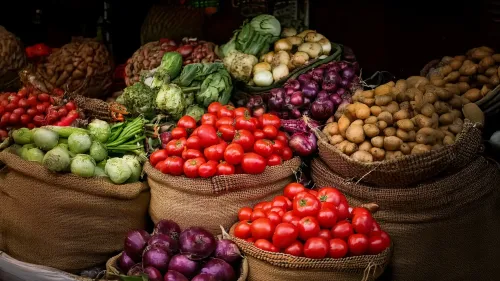
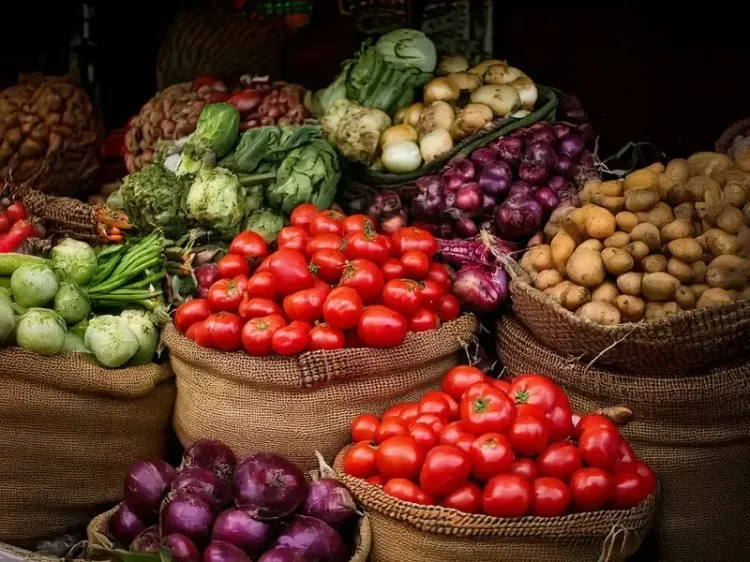
Food inflation rose to 5.66% in August from 5.52% in July, with rural food inflation running even higher at 6.13%. The categories driving the surge include sugar, rice, edible oil, and select vegetables. Among the sharpest movers, ginger prices surged 73.82% year-on-year, onion prices rose 48.27%, and garlic climbed 43.60%. Some relief came from tomatoes and potatoes, which declined 31.09% and 13.14% respectively.
According to Sinha, onion prices have been hit by delayed new plantings following a late monsoon, pushing back fresh harvest arrivals to markets. Sugar supply has tightened due to lower-than-expected sugarcane yields compounded by a shift in production towards ethanol, reducing domestic availability.
Core Inflation and Precious Metals
Core inflation edged up to 4.4% in August from 4.2% in July, although core inflation excluding precious metals remained relatively contained at 3.3%. A significant contributor to the headline print was the personal care, social protection and miscellaneous goods and services category, which recorded inflation of 15.21% — largely driven by surging jewellery prices. Silver jewellery prices jumped 107.11%, while gold, diamond and platinum jewellery prices rose 35.53%, reflecting elevated global precious metal prices.
PHDCCI SG & CEO Ranjeet Mehta cautioned that sustained high precious metal prices could dampen demand during the upcoming festival and wedding season, a traditionally critical consumption window for the jewellery sector.
Impact on Industry and Consumers
PHDCCI President Rajeev Juneja noted that rising staple food costs are feeding directly into cost pressures across food processing, restaurants, and related services. With input costs climbing, margin compression in the food and beverage industry appears increasingly likely in the near term.
This comes amid a broader pattern of food price volatility this year, with uneven monsoon distribution affecting crop output across several states. Notably, this is the second consecutive month of rising headline CPI after a brief period of moderation earlier in FY27.
RBI Policy and the Outlook
CareEdge Ratings expects CPI inflation to peak in the third quarter of FY27 and average approximately 5% for the full fiscal year. On monetary policy, Sinha said the Reserve Bank of India's (RBI) Monetary Policy Committee (MPC) is likely to remain data-dependent, with decisions shaped by evolving growth and inflation dynamics.
'A sustained uptick in inflation could strengthen the case for a rate hike in the coming months,' Sinha said, adding that the October RBI policy decision will be closely watched, particularly as major global central banks have already begun tilting towards tighter monetary policy. Weather risks heading into the winter crop season and global energy price trends represent the principal upside risks to the inflation trajectory.
Point of View
Often treated as a footnote, contributed meaningfully to the headline number, which complicates the RBI's read. Stripping out gold and silver, the underlying inflation picture is less alarming, but the MPC cannot disregard the headline when it sets policy. More critically, the monsoon's uneven progress means the pressure on onion, ginger, and garlic prices is structural for this season, not a one-month anomaly. If the October print holds above 5%, the rate-cut cycle — long anticipated by markets — could be deferred further, or even reversed, a scenario most consensus forecasts have not priced in.
NationPress
14 Sept 2026
Frequently Asked Questions
What is India's CPI inflation rate for August 2026?
India's retail CPI inflation rose to 4.82% in August 2026, up from 4.5% in July, according to data cited by PHDCCI. The increase was driven primarily by higher food prices across categories including sugar, rice, edible oil, onion, ginger, and garlic.
Why did food inflation rise in August 2026?
Food inflation climbed to 5.66% in August, with rural food inflation at 6.13%, partly because a late monsoon delayed onion plantings and pushed back new harvest arrivals. Sugar supply also tightened due to lower sugarcane yields and increased diversion of cane towards ethanol production.
Is a rate hike by the RBI now likely?
A rate hike is not certain but is increasingly flagged as a risk. CareEdge Ratings Chief Economist Rajani Sinha said a sustained uptick in inflation 'could strengthen the case for a rate hike in the coming months,' with the October RBI MPC meeting seen as a key decision point.
What is the inflation forecast for FY27?
CareEdge Ratings expects CPI inflation to peak in the third quarter of FY27 and average around 5% for the full fiscal year, contingent on weather conditions and global energy price trends.
How are rising food prices affecting businesses?
PHDCCI President Rajeev Juneja noted that sharply rising staple food costs are intensifying margin pressure on food processing companies, restaurants, and related services. PHDCCI SG & CEO Ranjeet Mehta also flagged that high precious metal prices could suppress demand during the upcoming festival and wedding season.