India's retail inflation rises to 4.45% in July, stays within RBI's comfort band
Synopsis
India's July CPI inflation print of 4.45% is above the RBI's 4% midpoint but comfortably inside its guardrails — and the central bank has simultaneously cut its core inflation forecast to 4.3% and raised its growth projection. The real story is the divergence: precious metals and select food items are pulling the headline up even as underlying price pressures ease.
Key Takeaways
India's retail CPI inflation rose to 4.45 per cent in July , up from 4.38 per cent in June, per the Ministry of Statistics .
Silver jewellery prices surged 109.84 per cent and gold jewellery rose 32.98 per cent , the highest gainers of the month.
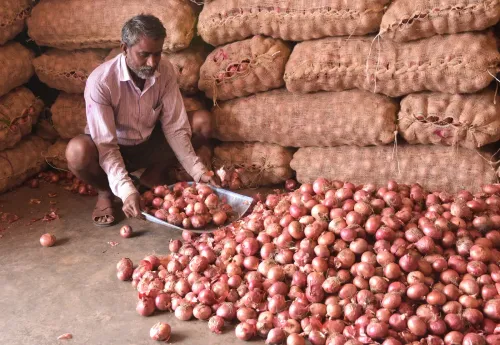
Food inflation stood at 5.52 per cent ; potato prices fell 16.56 per cent while ginger , garlic , and onions rose.
The RBI cut its average inflation forecast to 5 per cent and core inflation forecast to 4.3 per cent for the current financial year.
The RBI raised its GDP growth forecast to 6.7 per cent and held the repo rate steady to support growth.
India's retail inflation, measured by the new Consumer Price Index (CPI) series, climbed to 4.45 per cent in July on a year-on-year basis, according to data released by the Ministry of Statistics on Wednesday, 12 August. The reading marks a sequential uptick from 4.38 per cent in June and remains within the Reserve Bank of India's (RBI) tolerance band of 2 to 6 per cent.
Key Price Movements
Silver jewellery recorded the steepest price surge of the month, with inflation soaring 109.84 per cent, while gold jewellery prices climbed 32.98 per cent. On the food front, overall food inflation for July stood at 5.52 per cent.
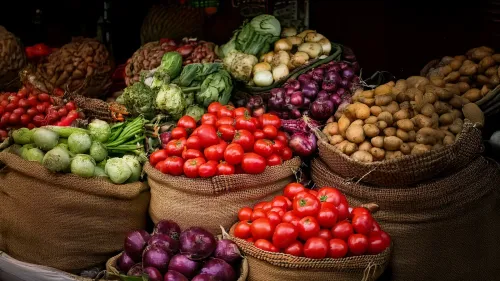
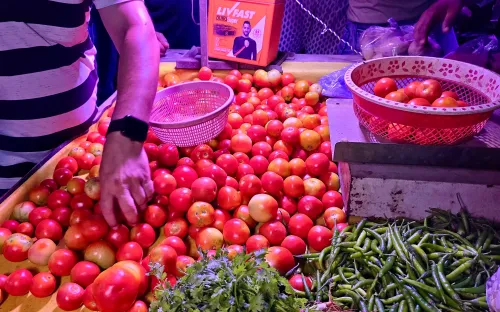
Vegetables offered some relief: potato prices fell sharply by 16.56 per cent, while ladies' fingers, peas, and tomatoes each turned cheaper by roughly 5 per cent. In contrast, prices of ginger, garlic, and onions rose during the month, according to the official data. Cars also became less expensive, registering a 6.72 per cent decline in prices during June. Housing inflation for July stood at 2.22 per cent on a year-on-year basis.
RBI's Stance and Revised Forecasts
RBI Governor Sanjay Malhotra, speaking after last week's monetary policy review, noted that headline inflation has moved above the 4 per cent midpoint target primarily due to higher fuel prices, while broader price pressures remain contained. The central bank opted to maintain a status quo on the repo rate to support economic growth.
The RBI has revised its average inflation forecast for the current financial year downward to 5 per cent, from the earlier projection of 5.1 per cent made in June. The forecast for core inflation — which strips out food and fuel — was cut more steeply, to 4.3 per cent from 4.7 per cent, signalling easing underlying price pressures.
Growth Outlook Upgraded
Alongside the inflation revision, the RBI raised its GDP growth forecast for the current financial year to 6.7 per cent, up from the previous estimate of 6.6 per cent. The upgrade reflects the central bank's confidence in the economy's resilience, even as incoming data has been mixed.
What It Means for Consumers and Policy
With CPI inflation at 4.45 per cent — above the midpoint but well inside the tolerance band — the RBI is unlikely to shift its policy stance abruptly. This comes amid persistent volatility in food and precious metal prices, which continue to drive headline numbers even as core inflation softens. The trajectory of monsoon rains and global commodity prices will be key variables to watch in the months ahead.
Point of View
But the composition is telling — silver jewellery inflation at nearly 110% is a global safe-haven signal, not a domestic demand story, and it is artificially inflating the headline. The more meaningful signal is the RBI's decision to cut its core inflation forecast by 40 basis points to 4.3%, which suggests underlying price dynamics are actually improving. The repo rate hold is defensible, but if food prices — particularly the onion-garlic complex — stay elevated through the kharif harvest season, the RBI's 5% annual average forecast will face a stiff test in Q3.
NationPress
26 Sept 2026
Frequently Asked Questions
What is India's retail inflation rate for July 2025?
India's retail inflation, based on the Consumer Price Index (CPI), rose to 4.45 per cent in July on a year-on-year basis, up from 4.38 per cent in June. The figure was released by the Ministry of Statistics on 12 August.
Why did CPI inflation rise in July?
The uptick was driven primarily by sharp increases in precious metal prices — silver jewellery surged 109.84 per cent and gold jewellery rose 32.98 per cent — along with higher prices for ginger, garlic, and onions. Overall food inflation stood at 5.52 per cent for the month.
Is India's inflation within the RBI's target range?
Yes. The RBI's tolerance band runs from 2 per cent to 6 per cent, with 4 per cent as the midpoint. At 4.45 per cent, July's CPI reading is above the midpoint but comfortably within the band, giving the central bank room to hold rates steady.
What has the RBI forecast for inflation and growth?
The RBI has revised its average inflation forecast for the current financial year down to 5 per cent from 5.1 per cent, and cut its core inflation forecast more sharply to 4.3 per cent from 4.7 per cent. It also raised its GDP growth forecast to 6.7 per cent from 6.6 per cent.
Which goods became cheaper in July?
Potato prices fell by 16.56 per cent, while ladies' fingers, peas, and tomatoes each declined by roughly 5 per cent. Cars also registered a 6.72 per cent decline in prices during the period.