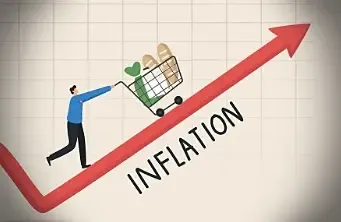
India retail inflation rises to 4.82% in August on food price surge
Synopsis
India's retail inflation edged up to 4.82% in August — still within the RBI's 2-6% band, but with silver jewellery up over 107%, ginger up nearly 74%, and food inflation at 5.95%, the data reveals a sharply uneven price landscape. With the RBI cutting its full-year inflation forecast to 5% and raising its growth outlook to 6.7%, the central bank is betting this is turbulence, not a trend.
Key Takeaways
India's CPI retail inflation rose to 4.82 per cent in August 2026 , up from the previous month, per Ministry of Statistics data released on 14 September 2026 .
Silver jewellery prices surged 107.11 per cent and gold jewellery rose 35.55 per cent year-on-year.
Food inflation climbed to 5.95 per cent ; onion , ginger , and garlic prices rose 48.27 per cent , 73.82 per cent , and 43.6 per cent respectively.
Tomatoes fell 31.09 per cent and potatoes dropped 13.14 per cent , partially offsetting food price pressures.
Inflation remains within the RBI's tolerance band of 2–6 per cent ; the RBI cut its FY27 inflation forecast to 5 per cent and raised its growth forecast to 6.7 per cent .
India's retail inflation, measured by the new Consumer Price Index (CPI) series, climbed to 4.82 per cent in August 2026 on a year-on-year basis, according to data released by the Ministry of Statistics on Monday, 14 September 2026. The reading marks an uptick from the previous month and reflects sharp price pressures in precious metals and select food commodities.
What Drove the Rise
The steepest price increases during the month were recorded in silver jewellery, which surged 107.11 per cent year-on-year, and gold jewellery, which climbed 35.55 per cent. Both categories have been on a sustained upward trajectory as global metal prices remain elevated.
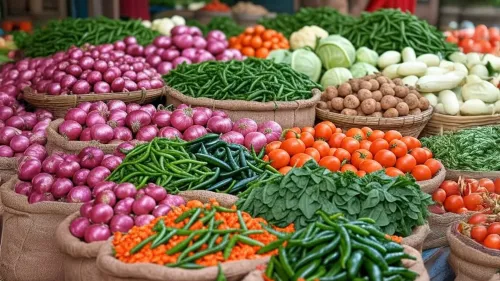
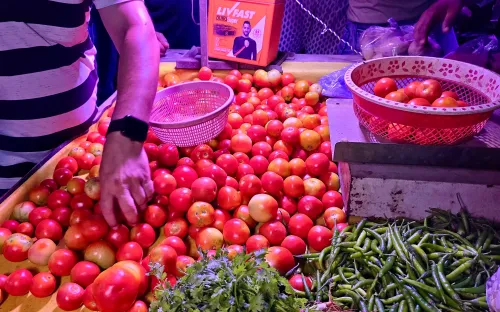
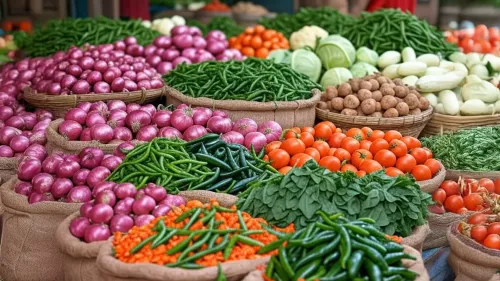
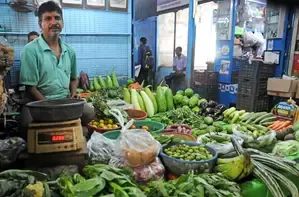
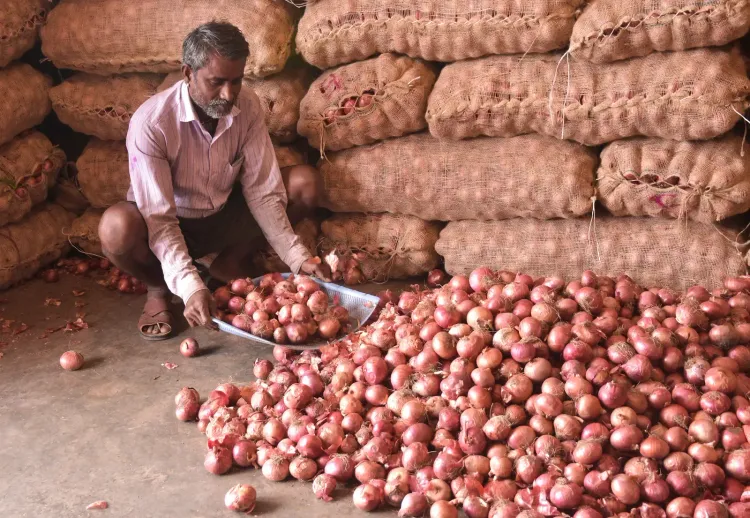
Overall food inflation accelerated to 5.95 per cent in August. Onion, ginger, and garlic prices surged by 48.27 per cent, 73.82 per cent, and 43.6 per cent, respectively. In contrast, tomatoes turned significantly cheaper, declining by 31.09 per cent, and potatoes fell by 13.14 per cent, offering some relief to household budgets.
Notably, cars also registered a price decline of 6.72 per cent during the month, reflecting competitive discounting in the auto sector.
Still Within RBI's Tolerance Band
Despite the uptick, CPI inflation at 4.82 per cent remains within the Reserve Bank of India's (RBI) tolerance band of 2 per cent to 6 per cent, with a midpoint target of 4 per cent. The central bank's monetary policy framework aims to hold inflation within this range while simultaneously supporting economic growth.
RBI Governor Sanjay Malhotra noted after the latest monetary policy review that headline inflation has moved above the 4 per cent target primarily due to higher fuel prices, while broader price pressures — or core inflation — remain largely contained. The RBI held its benchmark repo rate steady to prioritise growth momentum.
RBI Revises Inflation and Growth Forecasts
In a sign of cautious optimism, the RBI trimmed its average inflation forecast for the current financial year to 5 per cent, down from the 5.1 per cent projected in June 2026. The central bank cut its core inflation forecast more sharply — to 4.3 per cent from 4.7 per cent — suggesting underlying price pressures are easing even as food and fuel keep headline numbers elevated.
Simultaneously, the RBI raised its GDP growth forecast for FY27 to 6.7 per cent from 6.6 per cent, signalling confidence in the economy's resilience despite an uneven flow of incoming data. This comes amid global uncertainty around commodity prices and a cautious monetary stance from major central banks.
Broader Context and What to Watch
The August print continues a pattern where food and energy volatility drives headline CPI higher even as manufactured goods and services inflation stays subdued. Onion and ginger prices, historically sensitive to monsoon disruptions, are once again the key swing factor this season. If the kharif harvest comes in well, some relief in vegetable prices is expected in the September and October prints.
The next CPI release will be closely watched to see whether the recent spike in perishable prices is seasonal and transient, or signals a stickier food inflation problem that could prompt a policy rethink at the RBI's upcoming monetary policy committee meeting.
Point of View
But the composition tells a more uncomfortable story. A 73.82% spike in ginger prices and a 107% surge in silver jewellery point to supply-side shocks and global commodity pass-through — neither of which the repo rate can fix. The RBI's decision to hold rates and simultaneously cut its inflation forecast reflects a calculated gamble: that food price spikes are seasonal and not embedded. If the kharif harvest disappoints, that bet could unravel, leaving the central bank in the politically awkward position of raising rates into a growth slowdown.
NationPress
14 Sept 2026
Frequently Asked Questions
What is India's retail inflation rate for August 2026?
India's retail inflation, measured by the Consumer Price Index (CPI), rose to 4.82 per cent in August 2026 on a year-on-year basis. The data was released by the Ministry of Statistics on 14 September 2026.
Why did food inflation rise in August 2026?
Food inflation climbed to 5.95 per cent in August 2026, driven mainly by sharp price increases in onion (up 48.27%), ginger (up 73.82%), and garlic (up 43.6%). These spikes are typically linked to monsoon-related supply disruptions.
Is India's inflation within the RBI's target range?
Yes, the August CPI reading of 4.82 per cent remains within the RBI's tolerance band of 2 per cent to 6 per cent, with a midpoint target of 4 per cent. However, it is above the 4 per cent midpoint, primarily due to higher fuel prices, according to RBI Governor Sanjay Malhotra.
What is the RBI's revised inflation and growth forecast for FY27?
The RBI has cut its average inflation forecast for FY27 to 5 per cent from 5.1 per cent, and its core inflation forecast to 4.3 per cent from 4.7 per cent. It has also raised its GDP growth forecast for FY27 to 6.7 per cent from 6.6 per cent.
Which commodities saw the biggest price swings in August 2026?
Silver jewellery recorded the steepest rise at 107.11 per cent year-on-year, followed by ginger at 73.82 per cent and onion at 48.27 per cent. On the other side, tomatoes fell 31.09 per cent and cars declined 6.72 per cent.