India-New Zealand FTA takes effect, engineering exports set to double in 5 years
Synopsis
The India-New Zealand FTA came into force on 20 October 2026, and EEPC India is projecting engineering exports to nearly double — from $140.5 million to $280–300 million — within five years. The deal is especially significant for MSMEs and feeds directly into India's $250 billion engineering export target for 2030.
Key Takeaways
The India-New Zealand Free Trade Agreement (FTA) came into force on 20 October 2026 .
Engineering exports to New Zealand are projected to reach $280–300 million over the next five years, nearly double the $140.5 million recorded in 2025-26 .
Key export categories include automobiles , dairy sector machinery , medical instruments , and iron and steel products .
MSMEs are identified as primary beneficiaries, with the FTA enabling product and market diversification.
The deal supports India's broader goal of achieving $250 billion in engineering exports by 2030 .
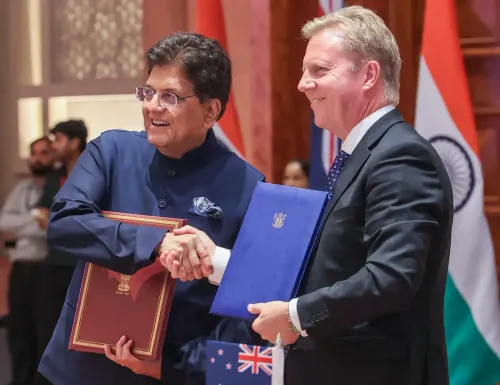
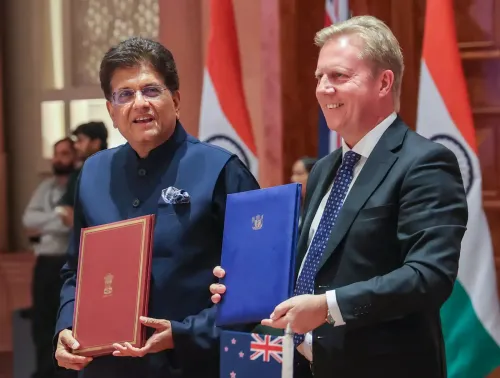
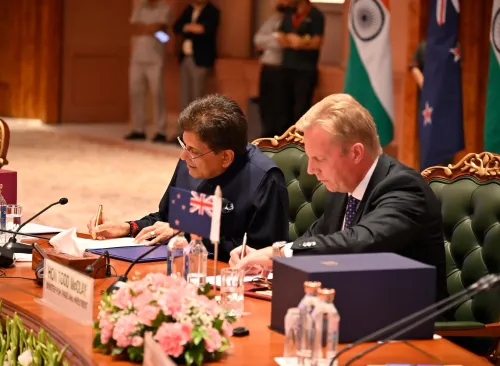
The India-New Zealand Free Trade Agreement (FTA) came into force on Tuesday, 20 October 2026, unlocking fresh growth avenues for India's engineering sector and setting the stage for a near-doubling of bilateral engineering trade over the next five years. Pankaj Chadha, Chairman of EEPC India, projected engineering exports to New Zealand could reach $280–300 million within five years, up from $140.5 million recorded in 2025-26.
Key Developments
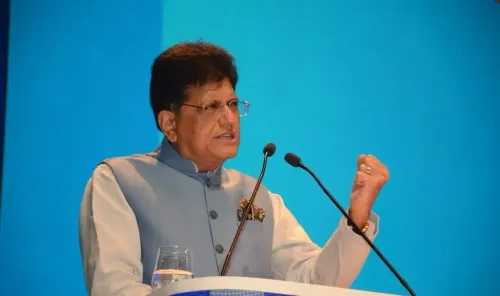
The FTA's entry into force marks a significant milestone in India-New Zealand trade relations. According to Chadha, the pact creates structured market access for Indian manufacturers in a destination that, while compact, offers disproportionate upside. 'The India-New Zealand FTA has come into force today, opening new opportunities for the engineering sector. New Zealand is a relatively small market for Indian engineering, but it holds high potential,' he said.
India's engineering exports to New Zealand had already shown an upward trajectory — climbing from $129.8 million in 2024-25 to $140.5 million in 2025-26, a rise of roughly 8% year-on-year even before the agreement's formal activation.
Sectors Poised to Benefit
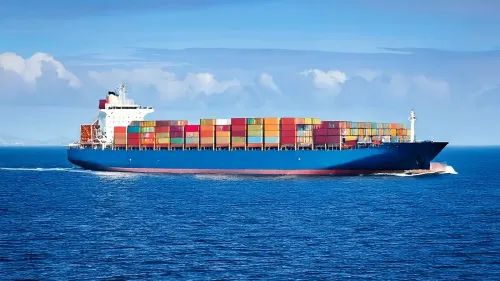
The key engineering goods currently exported from India to New Zealand include automobiles, industrial machinery for the dairy sector, medical and scientific instruments, office equipment, and iron and steel products. The dairy machinery segment is particularly notable given New Zealand's status as one of the world's largest dairy economies — a natural fit for Indian industrial equipment suppliers.
Notably, the FTA is expected to benefit micro, small and medium enterprises (MSMEs) most directly. Chadha stated that the agreement 'offers engineering goods exporters, especially MSMEs, the opportunity to diversify their product portfolio,' enabling smaller Indian manufacturers to establish a footprint in a high-income, stable market they may have previously found difficult to penetrate.
India's Broader $250 Billion Export Ambition
The bilateral pact fits into a larger strategic picture. India has set an ambitious target of achieving $250 billion in engineering exports by 2030, and trade agreements with high-income economies such as New Zealand are seen as building blocks toward that goal. This comes amid India's broader FTA push — deals with the UAE and Australia have already been operationalised, and negotiations with the European Union, United Kingdom, and others remain active.
According to EEPC India, the engineering export council, the FTA will provide further momentum by reducing tariff barriers and enabling Indian suppliers to compete more effectively against established exporters from countries that already enjoy preferential access to the New Zealand market.
What Happens Next
Industry stakeholders are expected to initiate market-entry exercises in the coming months, with EEPC India likely to facilitate trade delegations and buyer-seller meets in New Zealand. The five-year projection of $280–300 million implies a compound annual growth rate of roughly 15%, significantly above the pre-FTA baseline trajectory. Whether MSMEs can access the required trade finance and certification infrastructure will be a critical determinant of how quickly the agreement translates into actual export gains.
Point of View
Which has already delivered deals with the UAE, Australia, and EFTA. The real question is execution: EEPC India's $280–300 million projection implies a 15% annual growth rate, which is achievable only if MSMEs can access trade finance, meet New Zealand's stringent phytosanitary and quality standards, and build distribution networks from scratch. The dairy machinery angle is genuinely interesting and underreported — New Zealand's dominance in dairy creates a natural demand pull for Indian industrial equipment. But without targeted facilitation, the gap between a signed FTA and actual MSME export growth has historically been wide.
NationPress
20 Oct 2026
Frequently Asked Questions
What is the India-New Zealand Free Trade Agreement?
The India-New Zealand FTA is a bilateral trade pact that came into force on 20 October 2026, reducing tariff barriers and expanding market access for goods including engineering products, automobiles, and industrial machinery. It is designed to boost two-way trade and support India's engineering export ambitions.
How much are India's engineering exports to New Zealand expected to grow?
EEPC India projects engineering exports to New Zealand will reach $280–300 million over the next five years, nearly double the $140.5 million recorded in 2025-26. This implies a compound annual growth rate of roughly 15%.
Which Indian sectors benefit most from the India-New Zealand FTA?
The engineering sector is the primary beneficiary, with key product categories including automobiles, dairy sector industrial machinery, medical and scientific instruments, office equipment, and iron and steel products. MSMEs are specifically highlighted as having the most to gain from portfolio diversification.
How does this FTA connect to India's $250 billion engineering export target?
EEPC India Chairman Pankaj Chadha has stated that stronger engineering trade ties with New Zealand will contribute to India's broader goal of achieving $250 billion in engineering exports by 2030. The FTA provides preferential market access that helps Indian exporters compete against rivals already holding trade agreements with New Zealand.
What was the trend in India's engineering exports to New Zealand before the FTA?
India's engineering exports to New Zealand grew from $129.8 million in 2024-25 to $140.5 million in 2025-26, an increase of approximately 8% year-on-year. The FTA is expected to accelerate this trajectory significantly.