India-New Zealand FTA: 100% of Indian exports get duty-free access from day one
Synopsis
New Zealand's Parliament has ratified the India-FTA by 93 votes to 29, clearing the way for 100% duty-free access to Indian exports from day one the deal enters force. With PM Modi's July visit credited as the turning point, India now needs to complete its own domestic process — and a $20 billion investment pipeline and new professional mobility pathways are waiting on the other side.
Key Takeaways
New Zealand's Parliament passed FTA implementation legislation on 17 September 2026 by 93 votes to 29 .
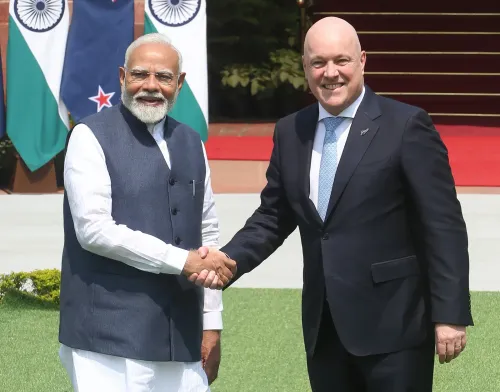
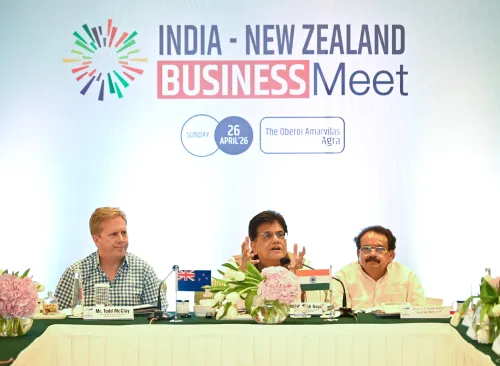
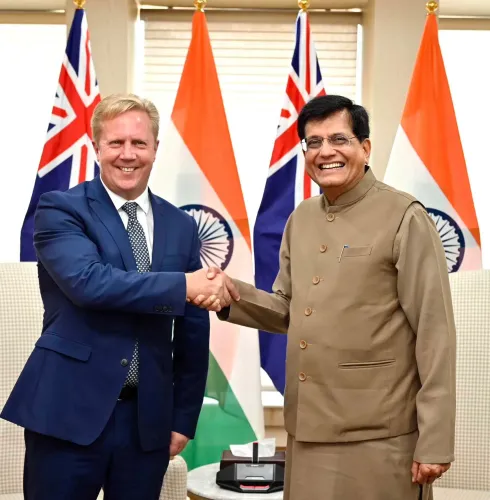
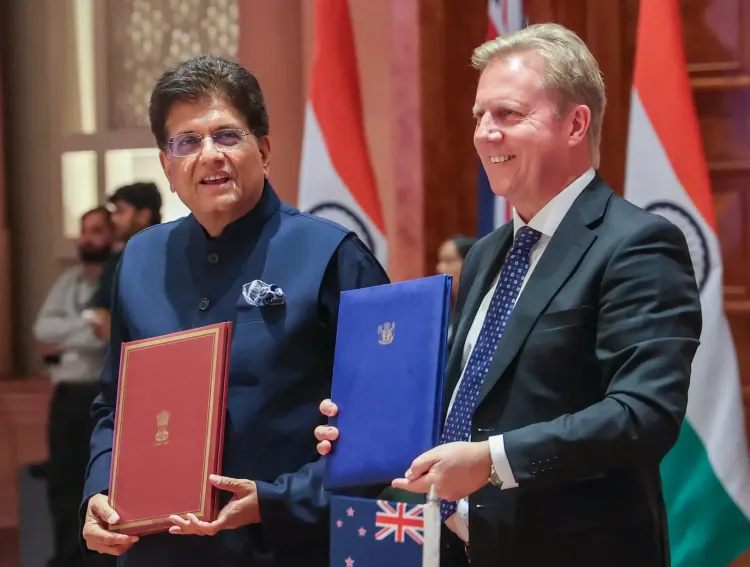
The agreement, signed in New Delhi on 27 April , grants 100% duty-free access to Indian exports from the date of entry into force.
Key Indian beneficiary sectors: textiles, leather, engineering goods, pharmaceuticals , and processed food .
The deal is designed to facilitate $20 billion in investment into India and opens new mobility pathways for Indian professionals and students .
PM Modi's visit to New Zealand in July 2026 is credited with accelerating ratification on both sides.
India's own domestic ratification process is now the remaining step before the agreement enters into force.
India and New Zealand moved a significant step closer to activating their bilateral Free Trade Agreement (FTA) on 17 September 2026, after New Zealand's Parliament passed the legislation required to implement the deal by a decisive vote of 93 to 29. The Commerce Ministry welcomed the development, confirming that both nations are now working to complete their respective domestic processes for the agreement's early entry into force.
What the FTA Covers
Signed in New Delhi on 27 April, the agreement guarantees duty-free access for 100 per cent of Indian exports to New Zealand from the moment it comes into force. Key Indian export sectors set to benefit include textiles and apparel, leather and footwear, engineering goods, pharmaceuticals, and agriculture and processed food products.
In return, the deal grants enhanced and preferential access to the Indian market for New Zealand exports — notably wood, wool, sheep meat, and leather raw hides. Both sides are thus committing to structured market openings rather than one-sided concessions.
Investment and Services: Beyond Goods Trade
The FTA extends well beyond merchandise trade. According to the Commerce Ministry, the agreement is designed to facilitate $20 billion worth of investment into India and expands cooperation in agricultural productivity, pharmaceuticals and medical devices, traditional medicine and AYUSH, and technology and trade facilitation.
Notably, the deal also creates new pathways in services, investment, and professional, student and youth mobility — offering enhanced routes for Indian professionals and students seeking opportunities in New Zealand. This people-to-people dimension is seen as one of the agreement's more consequential long-term elements.
Political Momentum Behind the Deal
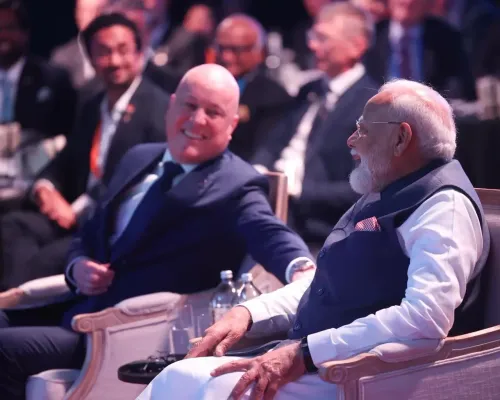
The Commerce Ministry credited the visit of Prime Minister Narendra Modi to New Zealand in July 2026 with providing fresh momentum to the bilateral relationship. That visit is widely seen as the catalyst that accelerated the domestic ratification process on both sides.
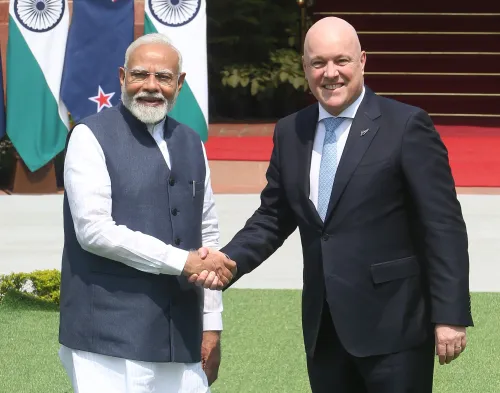
New Zealand Prime Minister Christopher Luxon has described the FTA as a landmark deal, arguing it would open access to 1.4 billion Indian consumers and deliver measurable gains in jobs and incomes for New Zealand. His government's ability to secure a 93-29 parliamentary majority for ratification underscores the cross-party support the agreement commands in Wellington.
Why This Agreement Matters
India has been aggressively building out its FTA network, with recent agreements also concluded with the United Kingdom and ongoing negotiations with the European Union. The New Zealand deal is strategically notable because it offers Indian exporters complete tariff elimination from day one — a more ambitious market-access commitment than many earlier Indian trade agreements, which often phased in concessions over years or excluded sensitive categories entirely.
The strong bilateral foundation — built on people-to-people ties, an active Indian diaspora in New Zealand, and growing cooperation in education and technology — provides a durable base for the agreement to deliver real trade flows rather than remain a paper commitment.
What Happens Next
With New Zealand's parliamentary ratification now complete, attention shifts to India completing its own domestic process. Both governments have signalled their intent to bring the agreement into force at the earliest opportunity. The Commerce Ministry's statement did not specify a precise timeline, but the language of 'early entry into force' suggests a push to operationalise the deal before the end of the current calendar year.
Point of View
Suggesting New Zealand sees this as strategically essential rather than merely economically convenient. The more consequential question is on the Indian side: 100% tariff elimination from day one is a departure from India's historically defensive trade posture, and the political durability of that commitment — particularly on agriculture and processed foods — will be tested once trade flows begin to build. The $20 billion investment facilitation figure also warrants scrutiny; without sector-specific timelines and accountability mechanisms, such headline numbers in Indian FTAs have historically functioned more as aspirational targets than binding commitments. The real value of this agreement may ultimately lie in its services and mobility provisions, which are harder to measure but could prove more durable than goods-trade concessions alone.
NationPress
17 Sept 2026
Frequently Asked Questions
What is the India-New Zealand Free Trade Agreement?
The India-New Zealand FTA is a bilateral trade agreement signed in New Delhi on 27 April 2026, which guarantees 100% duty-free access for Indian exports to New Zealand from the date it enters into force. It also opens the Indian market to key New Zealand exports including wool, sheep meat, and wood, while creating new investment and professional mobility pathways.
What did New Zealand's Parliament vote on 17 September 2026?
New Zealand's Parliament passed the domestic legislation required to implement the FTA with India, approving it by a vote of 93 to 29. This clears New Zealand's ratification process, leaving India's domestic steps as the remaining hurdle before the deal enters into force.
Which Indian export sectors benefit from the FTA?
Indian sectors set to gain immediate duty-free access include textiles and apparel, leather and footwear, engineering goods, pharmaceuticals, and agriculture and processed food products. The benefit applies from the first day the agreement comes into force, with no phased-in schedule.
How much investment is the India-New Zealand FTA expected to generate?
According to the Commerce Ministry, the agreement is designed to facilitate $20 billion worth of investment into India, alongside enhanced cooperation in pharmaceuticals, medical devices, AYUSH, agricultural productivity, and technology.
What role did PM Modi's New Zealand visit play in the FTA?
Prime Minister Narendra Modi visited New Zealand in July 2026, and the Commerce Ministry has credited that visit with providing fresh momentum to the bilateral relationship and accelerating the domestic ratification process on both sides.