India, Panama seek stronger maritime ties in shipping, ports and logistics
Synopsis
India is positioning Panama as its primary gateway to Latin America and the Caribbean, with Union Minister Sarbananda Sonowal proposing a formal bilateral maritime agreement covering green ship recycling, digital port systems and seafarer skilling — a significant step in India's push to diversify its global trade corridors.
Key Takeaways
Sarbananda Sonowal met Panama's Foreign Affairs Minister Javier Martinez-Acha Vasquez in New Delhi on 23 July to advance maritime cooperation.
Both sides identified five pillars : logistics, shipping, maritime security, skill development and digital transformation.
Panama outlined four priority areas including AI-driven smart port logistics and technical collaboration between the Directorate General of Shipping and the Panama Maritime Authority .
India proposed expediting a bilateral agreement on maritime transportation and port development , along with green ship recycling cooperation.
India views Panama as its natural gateway to Latin America, Central America and the Caribbean , aiming to make the partnership a key pillar of regional engagement.
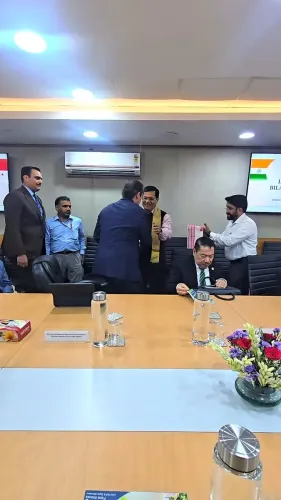
India has moved to deepen maritime collaboration with Panama, identifying the Central American nation as a natural gateway to Latin America and the Caribbean and a strategic partner for expanding bilateral trade through improved shipping connectivity, logistics integration and institutional cooperation. The push was formalised during a high-level meeting in New Delhi on 23 July.
Key Developments
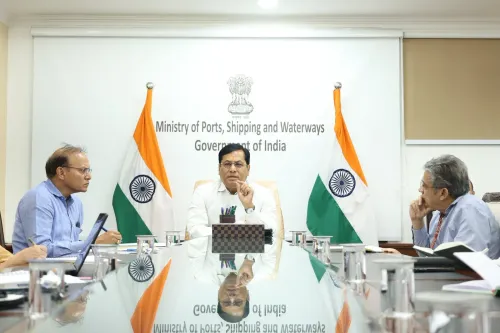
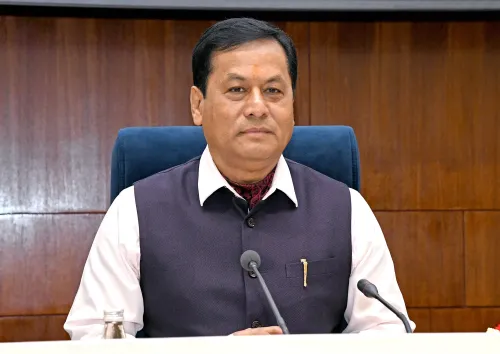
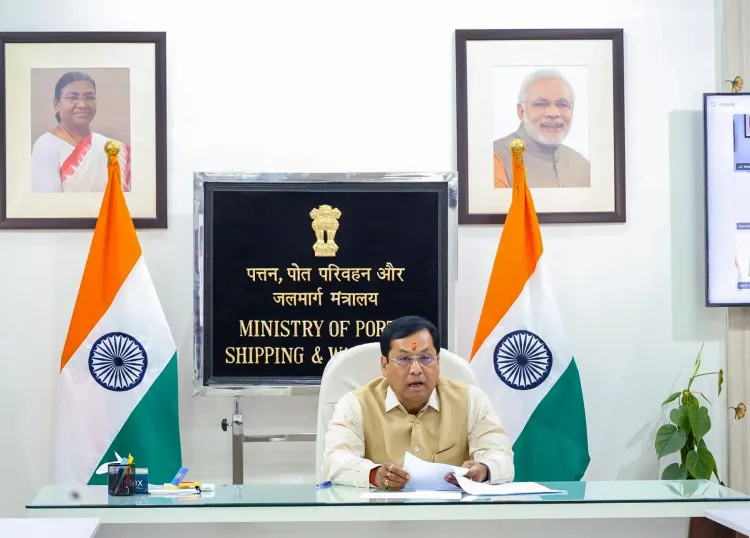
Union Minister of Ports, Shipping and Waterways Sarbananda Sonowal met Panama's Minister of Foreign Affairs Javier Martinez-Acha Vasquez to advance the bilateral maritime agenda. Both sides identified five pillars for an expanded strategic partnership: logistics, shipping, maritime security, skill development and digital transformation.
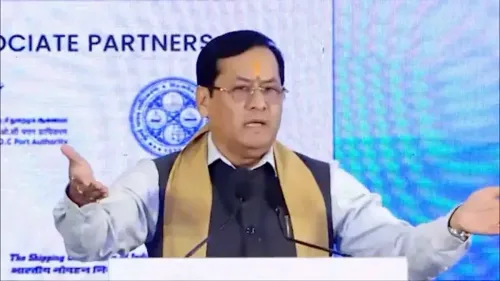
'Our vision is not merely to build ports, but to build partnerships that connect economies and create shared prosperity. Panama, with its strategic maritime strengths, is a natural partner in this journey, and together we can shape a more resilient, efficient and future-ready global maritime ecosystem,' Sonowal said.
Panama's Four Priority Areas
Vasquez outlined four areas where cooperation could be accelerated: maritime security; technical collaboration between India's Directorate General of Shipping and the Panama Maritime Authority; maritime education and seafarer skilling; and future-oriented digital transformation, including artificial intelligence, smart port logistics and maritime single-window systems.
The emphasis on digital maritime infrastructure reflects a broader global shift, with major port economies racing to reduce dwell times and paperwork through integrated digital platforms. India's own Sagarmala programme has already laid groundwork for smart port connectivity domestically.
What India Proposed
Sonowal proposed expediting a bilateral agreement on maritime transportation and port development. Additional proposals included expanding cooperation in green ship recycling — an area where India's Alang shipyard in Gujarat holds global significance — as well as strengthening seafarer welfare, port modernisation, warehousing infrastructure and digital innovation.
'By combining Panama's strategic logistics strengths with India's growing maritime capabilities, we can build resilient supply chains, strengthen global connectivity and create new opportunities for trade, investment, innovation and sustainable growth,' Sonowal added. He described the partnership as a potential cornerstone of India's broader engagement with Latin America and the Caribbean.
Strategic Context
The meeting comes as India's maritime sector undergoes significant expansion, driven by infrastructure investment, green shipping initiatives and logistics modernisation. Panama, which controls one of the world's most critical waterways — the Panama Canal — handles a substantial share of global container traffic, making it a structurally important node for Indian exporters targeting the Americas.
This is notably one of the more substantive bilateral maritime engagements India has pursued with a Latin American partner, reflecting a deliberate effort to diversify trade corridors beyond traditional routes to Europe, West Asia and Southeast Asia.
What Comes Next
Both governments are expected to fast-track discussions on a formal bilateral maritime agreement. Technical-level talks between the Directorate General of Shipping and the Panama Maritime Authority are also anticipated, with skilling and digital cooperation likely to form early deliverables of the partnership.
Point of View
A region where China has built substantial infrastructure leverage. The focus on green ship recycling is pointed: India's Alang shipyard is already a global player, and a bilateral framework with Panama could open new fleet-recycling pipelines. The digital maritime agenda, however, is where the real gap lies — India's domestic port digitisation is uneven, and proposing AI-driven single-window systems to Panama before consolidating them at home risks overpromising. The true test of this meeting will be whether a formal bilateral maritime agreement materialises within a credible timeframe, or whether it joins the queue of announced-but-unsigned frameworks.
NationPress
21 Oct 2026
Frequently Asked Questions
What did India and Panama agree on in their maritime meeting?
India and Panama agreed to deepen cooperation across logistics, shipping, maritime security, skill development and digital transformation during a meeting on 23 July in New Delhi. Union Minister Sarbananda Sonowal also proposed fast-tracking a formal bilateral agreement on maritime transportation and port development.
Why is Panama strategically important for India?
Panama controls the Panama Canal, one of the world's busiest waterways, making it a critical transit hub for Indian exports to Latin America, Central America and the Caribbean. India views Panama as a natural gateway to these regions and a key node in diversifying its global trade corridors.
What are Panama's four priority areas for maritime cooperation with India?
Panama identified maritime security, technical collaboration between India's Directorate General of Shipping and the Panama Maritime Authority, maritime education and seafarer skilling, and digital maritime transformation — including AI, smart port logistics and single-window systems — as its four priority areas.
What is green ship recycling and why did India raise it with Panama?
Green ship recycling refers to the environmentally compliant dismantling of end-of-life vessels, an area where India's Alang shipyard in Gujarat is a global leader. India proposed expanding cooperation in this sector with Panama to tap new fleet-recycling opportunities and align with international sustainability standards.
What are the next steps in the India-Panama maritime partnership?
Both governments are expected to expedite discussions on a bilateral maritime transportation and port development agreement. Technical-level engagements between the Directorate General of Shipping and the Panama Maritime Authority are also anticipated, with digital cooperation and skilling likely forming early deliverables.