India disconnects 82 lakh fraudulent SIMs via AI-powered ASTR tool
Synopsis
India has yanked over 82 lakh fraudulent SIMs off the network using an AI and facial-recognition tool — and that is only one layer of a five-part defence that has already blocked ₹5,000 crore in suspected financial fraud in 15 months. With Indians losing ₹22,800 crore to telecom scams in 2024, New Delhi is now pushing for global caller-identity standards at the ITU.
Key Takeaways
India disconnected over 82 lakh fraudulent mobile connections using the AI-powered ASTR tool.
Indians lost more than ₹22,800 crore to telecom fraud in 2024 , according to Dr Chandra Sekhar Pemmasani .
The Sanchar Saathi app has been downloaded approximately 25 million times for citizen-led fraud reporting.
The Digital Intelligence Platform connects over 1,600 organisations , including banks and law-enforcement agencies.
The Financial Fraud Risk Indicator has averted suspected losses exceeding ₹5,000 crore in the past 15 months .
India has signalled readiness to join ITU -led global trials for international caller-identity verification standards.
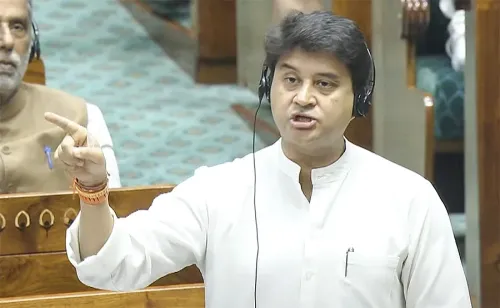
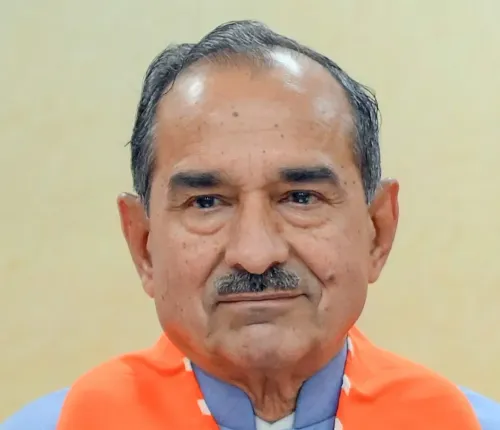
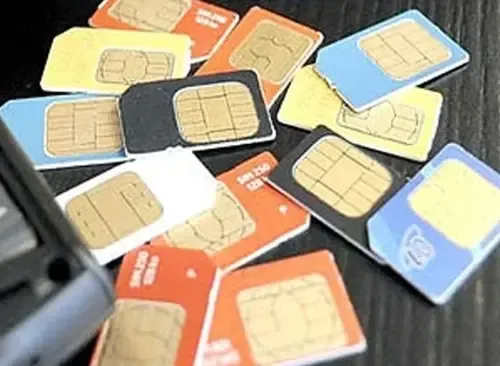
India has disconnected over 82 lakh fraudulent mobile connections using the Artificial Intelligence and Facial Recognition powered Telecom SIM Subscriber Verification (ASTR) tool, Union Minister of State for Communications and Rural Development Dr Chandra Sekhar Pemmasani announced on Friday, 9 October 2026. The disclosure came at the International Telecommunication Union (ITU) Roundtable on 'Implementing ITU Standards to Combat Fraudulent Communications', held on the sidelines of the India Mobile Congress (IMC) 2026 in New Delhi.
Scale of the Fraud Problem
Dr Pemmasani painted a sobering picture of the threat landscape, noting that organised fraud networks are deploying increasingly sophisticated tactics — including impersonation, so-called digital arrests, AI-generated voice cloning, and deepfakes. According to the minister, Indians lost more than ₹22,800 crore to such fraud in 2024 alone, underscoring the urgency of the government's multi-pronged response.
India's Five-Layered Defence Mechanism
The minister outlined a five-layered approach that the Centre has built to counter telecom-related fraud and cybercrime. The layers comprise: real-time blocking of spoofed international calls; identification and disconnection of suspicious mobile connections through the ASTR platform; citizen participation via the Sanchar Saathi initiative; intelligence sharing through the Digital Intelligence Platform (DIP); and targeted action against emerging fraud channels. Dr Pemmasani said the Sanchar Saathi app has been downloaded approximately 25 million times, enabling citizens to directly report suspected fraud and misuse of telecom resources.
Digital Intelligence Platform and Financial Safeguards
The Digital Intelligence Platform currently connects more than 1,600 organisations, including telecom service providers, banks, and law-enforcement agencies, to facilitate real-time information sharing for fraud detection and prevention. Separately, the Financial Fraud Risk Indicator has reportedly helped avert suspected financial losses exceeding ₹5,000 crore over the past 15 months by enabling timely intervention against fraudulent transactions. This combination of AI-driven verification and cross-sector intelligence-sharing represents a structural shift from reactive policing to proactive prevention.
India's Push for Global Standards
Emphasising that fraud has become a borderless problem requiring coordinated global solutions, Dr Pemmasani called for the adoption of international standards for digital verification of caller identities across networks to curb cross-border fraud. He welcomed the ITU's proposal for joint trials involving governments, regulators, telecom operators, and technology companies, confirming that India is ready to participate and contribute to developing global frameworks for trusted communications. Notably, India's scale of implementation — with one of the world's largest SIM subscriber bases — positions it as a significant contributor to any multilateral framework that emerges.
What This Means for Citizens and Operators
The disconnection of 82 lakh fraudulent SIMs directly reduces the infrastructure available to scam callers and cyber criminals targeting Indian consumers. Telecom operators are now required to work alongside law enforcement and financial institutions through the DIP, creating accountability loops that did not previously exist. With IMC 2026 serving as the backdrop, the government appears to be using the platform to signal that India's telecom security architecture is ready for international benchmarking. The next phase, according to the minister, will focus on cross-border fraud corridors — a challenge no single country can resolve alone.
Point of View
But the more consequential disclosure is the ₹22,800 crore loss figure for 2024 — it puts a price tag on the failure of earlier, lighter-touch enforcement. India's layered architecture is genuinely sophisticated, yet the hardest problem remains cross-border fraud, where domestic tools hit a jurisdictional wall. The ITU push for joint trials is the right instinct, but multilateral telecom standards have historically moved at a glacial pace while scam networks iterate in weeks. The real test will be whether the Digital Intelligence Platform's 1,600-organisation network translates into prosecutions, not just disconnections — because cutting a SIM without arresting the operator behind it only shifts the threat.
NationPress
9 Oct 2026
Frequently Asked Questions
What is the ASTR tool used by India to disconnect fraudulent SIMs?
ASTR stands for Artificial Intelligence and Facial Recognition powered Telecom SIM Subscriber Verification. It is a government-developed platform that uses AI and facial recognition to identify suspicious or fraudulently obtained mobile connections and disconnect them at scale — over 82 lakh connections have been cut so far.
How much money did Indians lose to telecom fraud in 2024?
According to Union Minister of State for Communications Dr Chandra Sekhar Pemmasani, Indians lost more than ₹22,800 crore to telecom-related fraud in 2024. Scams involved impersonation, digital arrests, AI-generated voice cloning, and deepfakes.
What is the Sanchar Saathi initiative and how does it work?
Sanchar Saathi is a citizen-facing app and initiative that allows people to report suspected telecom fraud and misuse of mobile resources directly to authorities. The app has been downloaded approximately 25 million times, making citizens an active layer in India's fraud-detection framework.
What is the Digital Intelligence Platform?
The Digital Intelligence Platform (DIP) is a real-time intelligence-sharing network that currently connects more than 1,600 organisations, including telecom operators, banks, and law-enforcement agencies. It enables coordinated detection and prevention of fraudulent activities across sectors.
Why is India pushing for international telecom fraud standards at the ITU?
Fraud has become a cross-border problem, with scam networks operating across jurisdictions that domestic tools cannot reach alone. India is advocating for international standards on digital caller-identity verification and has expressed readiness to join ITU-led joint trials with governments, regulators, and telecom companies to build a global trusted-communications framework.