CM Fadnavis Defends SIR, Cites 42 Judges on Electoral Roll Integrity
Synopsis
Maharashtra CM Devendra Fadnavis invokes 42 former judges to defend the Special Intensive Revision of electoral rolls, challenging critics to explain their resistance to accurate voter lists and framing the debate as a test of democratic integrity.
Key Takeaways
42 former judges have reaffirmed the legality of the Special Intensive Revision (SIR) of electoral rolls, according to CM Fadnavis.
CM Devendra Fadnavis posted on October 9, 2026 , defending SIR and warning against attempts to undermine constitutional institutions.
The Election Commission of India has clarified that SIR includes special drives to ensure every eligible voter is enrolled.
India has conducted intensive electoral roll revision exercises since the first General Elections , establishing it as a long-standing democratic practice.
Fadnavis challenged opponents with a pointed question: if accurate rolls are the shared goal, why resist the process?
The dispute carries high stakes for Maharashtra , one of India's largest and most politically contested states.
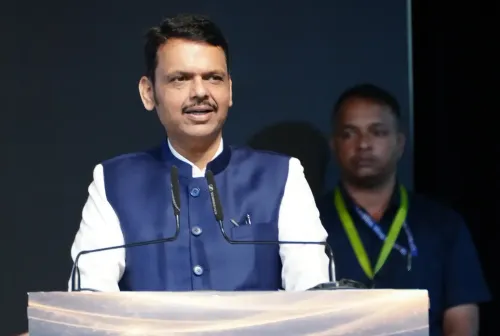
Forty-two former judges have put their authority behind a contested electoral process — and Maharashtra Chief Minister Devendra Fadnavis is making sure everyone hears it. On Friday, October 9, 2026, Fadnavis took to X to mount a pointed defence of the Special Intensive Revision (SIR) of electoral rolls, invoking the chorus of retired jurists and turning the debate back on critics with a single sharp question.
The 42-judge argument and what SIR actually is
At the heart of Fadnavis's post is a claim with institutional weight: 42 former judges have reaffirmed the legal validity of the SIR process. The Special Intensive Revision is a periodic, systematic drive by the Election Commission of India to cleanse and update electoral rolls — removing ghost entries, adding newly eligible voters, and correcting errors ahead of elections. India has conducted such exercises since its very first General Elections, making it a foundational, not novel, practice. Fadnavis frames any opposition to it not as legitimate scrutiny but as 'attempts to undermine constitutional institutions.'
Election Commission's inclusion drive and the resistance question
The Election Commission has clarified that special drives under SIR are specifically designed to ensure every rightful voter is included — a direct rebuttal to critics who argue the process disenfranchises voters rather than protects them. The CM's rhetorical close is deliberate: 'If clean and credible electoral rolls are the goal, why the resistance?' It reframes opponents not as defenders of voter rights but as obstacles to democratic accuracy.
Maharashtra's electoral stakes and the political temperature
Maharashtra, India's most economically significant state and a perennial political battleground, makes this dispute far from abstract. Electoral roll integrity in a state with tens of millions of voters directly shapes assembly and parliamentary outcomes. The invocation of judicial opinion signals that the ruling dispensation intends to contest any legal challenge to SIR on the front foot, framing the revision as constitutional duty rather than political manoeuvre. The debate over voter list accuracy — who gets included, who gets dropped, and who decides — sits at the very nerve centre of electoral trust in the state.
Point of View
Making it harder for opponents to frame their resistance as pro-voter without appearing to contradict retired judicial opinion. By anchoring the defence in judicial authority and historical precedent, the BJP signals it will fight any legal or political challenge to electoral roll revision aggressively. The rhetorical question at the close is not idle — it is designed to paint the opposition as obstructing democratic hygiene rather than protecting it. In a state as electorally consequential as Maharashtra, the battle over who controls the narrative on voter rolls is inseparable from the battle over who wins elections.
NationPress
9 Oct 2026
Frequently Asked Questions
What is SIR or Special Intensive Revision of electoral rolls in India?
SIR, or Special Intensive Revision, is a systematic drive by the Election Commission of India to update and clean voter rolls — adding eligible new voters, removing invalid entries, and correcting errors. It has been conducted since India's first General Elections.
Why are 42 former judges supporting SIR?
According to CM Devendra Fadnavis's post on October 9, 2026, 42 former judges have reaffirmed the legal validity of the SIR process, lending constitutional and judicial credibility to the Election Commission's electoral roll revision exercise.
Why is there opposition to SIR in Maharashtra?
Critics of SIR have raised concerns that the process could lead to voter deletions or disenfranchisement. CM Fadnavis has countered this by stating the Election Commission has launched special inclusion drives and that 42 former judges have upheld its legality.
What has the Election Commission said about SIR?
The Election Commission has clarified that special drives have been launched under SIR to ensure every rightful voter is included, directly addressing fears about voter exclusion during the revision process.
What is the significance of SIR for Maharashtra elections?
Maharashtra is one of India's most populous and politically significant states. Accurate electoral rolls directly affect outcomes in assembly and parliamentary elections, making the integrity of the voter list revision process a high-stakes political and democratic issue.