India rejects 'dumping ground' label, cites 97% textile waste recycling rate
Synopsis
India's Ministry of Textiles has fired back at international media reports labelling the country a dumping ground for Western fast-fashion waste. With data showing 97% pre-consumer recycling and domestic waste accounting for over 90% of the 7.8 million tonnes managed annually, the government is mounting a data-driven defence — even as it quietly acknowledges gaps in informal units and worker safety.
Key Takeaways
The Ministry of Textiles on 14 May rejected international media portrayals of India as a textile waste dumping ground, calling them 'misleading'.
India generates around 7,073 kilo tonnes of textile waste annually; nearly 97% of pre-consumer manufacturing waste is recycled, according to the 'Mapping of Textile Waste Value Chain in India 2026' study.
Over 90% of the 7.8 million tonnes of textile waste managed annually originates domestically; imported waste accounts for only around 7% .
The textile waste ecosystem generates an estimated ₹22,000 crore in economic value annually, per a FICCI report.
An IIT Delhi study found textile recycling cuts environmental impacts — including greenhouse gas emissions — by up to 40% versus virgin fibre production.
The government acknowledged concerns over informal units and worker safety but said formalisation and regulatory enforcement are ongoing.
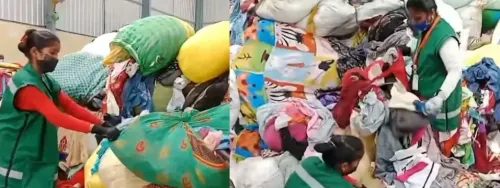
The Ministry of Textiles on Thursday, 14 May pushed back sharply against international media portrayals of India as a destination for Western fast-fashion waste, calling such characterisations 'misleading' and asserting that the country operates one of the world's largest textile recovery and recycling networks. The ministry's statement directly challenged foreign reports that focused on clusters such as Panipat while, it argued, ignoring systemic progress in sustainability and regulation.
Key Claims by the Government
According to the ministry, India generates approximately 7,073 kilo tonnes of textile waste annually. Citing the 'Mapping of Textile Waste Value Chain in India 2026' study, the government stated that nearly 97 per cent of pre-consumer textile waste produced during manufacturing is recycled — a figure it presented as evidence of a mature, functional ecosystem rather than an exploitative one.
On the 'dumping ground' allegation specifically, the ministry was unequivocal: over 90 per cent of the nearly 7.8 million tonnes of textile waste managed annually in India originates domestically. Imported waste, it noted, accounts for only around 7 per cent of the total managed volume.
Economic Value of the Recycling Sector
Referencing a report by the Federation of Indian Chambers of Commerce and Industry (FICCI), the ministry said India's textile waste ecosystem generates an estimated economic value of around ₹22,000 crore annually — a figure that underscores the sector's scale and its integration into formal economic activity, not merely informal salvage operations.
Additionally, a study by researchers at the Indian Institute of Technology (IIT) Delhi, based on data from the Panipat cluster, found that textile recycling reduces environmental impacts — including greenhouse gas emissions and fossil fuel depletion — by up to 40 per cent compared to virgin fibre production.
Acknowledging Gaps, Defending the Framework
'Broad characterisation of India's textile sector as environmentally negligent or structurally exploitative is misleading and not representative of ongoing regulatory strengthening and sustainability-focused interventions,' the ministry said in its statement.
The government did not dismiss all concerns. It acknowledged challenges related to post-consumer waste management, informal processing units, and worker safety — issues that have drawn scrutiny from environmental groups and international observers. However, it maintained that the industry is steadily moving towards greater formalisation, cleaner technologies, and stronger environmental compliance.
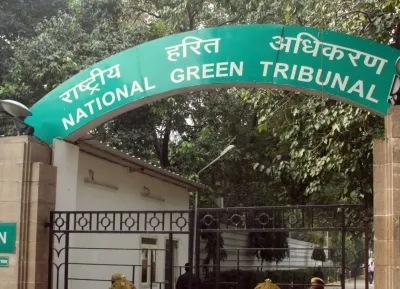
The ministry also noted that textile recycling units operate under established environmental and labour laws, and that regulatory bodies including the National Green Tribunal (NGT) continue enforcement actions against non-compliant units.
The Panipat Question
The Panipat cluster in Haryana — often called the 'cast-off capital' of India — has been a recurring subject of international media investigations into fast-fashion waste flows. Critics have documented concerns over working conditions, chemical use, and the volume of low-grade imported textile waste processed there. The government's response signals a deliberate effort to reframe that narrative with data, though independent verification of the cited figures remains important context for a complete picture.
This comes amid growing global pressure on fast-fashion supply chains, with the European Union advancing extended producer responsibility regulations that could alter how textile waste is exported. India's positioning in this debate carries both regulatory and trade implications going forward.
Point of View
Generated cleanly inside factories, is the easiest category to recycle. The harder question, which the ministry sidesteps, is post-consumer and imported waste processing, where conditions in clusters like Panipat have drawn legitimate scrutiny. The admission that informal units and worker safety remain concerns is buried beneath the headline numbers. As the EU tightens extended producer responsibility rules, India's credibility as a responsible textile recycling hub will be tested not by ministerial statements but by independently verified compliance data — something the government has yet to commit to publishing.
NationPress
1 Oct 2026
Frequently Asked Questions
Why did India's government reject the 'dumping ground' label for textile waste?
The Ministry of Textiles stated that over 90% of the nearly 7.8 million tonnes of textile waste managed annually in India originates domestically, with imported waste accounting for only around 7%. The government argued that characterising India as a dumping ground for Western fast-fashion waste is therefore factually misleading.
What is India's textile waste recycling rate?
According to the 'Mapping of Textile Waste Value Chain in India 2026' study cited by the ministry, nearly 97% of pre-consumer textile waste generated during manufacturing is recycled. India generates approximately 7,073 kilo tonnes of textile waste annually in total.
What is the economic value of India's textile recycling sector?
A FICCI report cited by the Ministry of Textiles estimates that India's textile waste ecosystem generates around ₹22,000 crore in economic value annually, reflecting the sector's significant scale and integration into formal economic activity.
What did the IIT Delhi study find about textile recycling's environmental impact?
Researchers at IIT Delhi, using data from the Panipat cluster, found that textile recycling reduces environmental impacts — including greenhouse gas emissions and fossil fuel depletion — by up to 40% compared to producing virgin fibre.
Did the government acknowledge any problems in India's textile recycling sector?
Yes. The government acknowledged concerns related to post-consumer waste management, informal processing units, and worker safety. It said the industry is moving towards greater formalisation and cleaner technologies, and that the National Green Tribunal continues enforcement against non-compliant units.