Gold imports drop 40% in 7 months, India saves $16.46 bn after Modi's appeal: CAIT
Synopsis
India's gold import bill collapsed by nearly 40 per cent in just seven months — saving $16.46 billion — after PM Modi publicly urged citizens to skip non-essential gold purchases. With October 2026 showing a staggering 62.6 per cent year-on-year drop, CAIT says citizen behaviour has moved a macro needle that policy alone rarely shifts.
Key Takeaways
India's gold imports fell to $24.78 billion in April–October 2026 , down from $41.24 billion a year earlier — a decline of nearly 40 per cent .
The country saved an estimated $16.46 billion in foreign exchange over the seven-month period, according to CAIT .
October 2026 saw the sharpest single-month drop: imports fell to $5.51 billion from $14.72 billion in October 2025 — a 62.6 per cent year-on-year plunge.
India's gold import bill had surged to roughly $71.98 billion in FY26 , up from $58.01 billion in FY25.
CAIT estimates total gold imports could fall to $35–40 billion in FY27 if the trend holds.
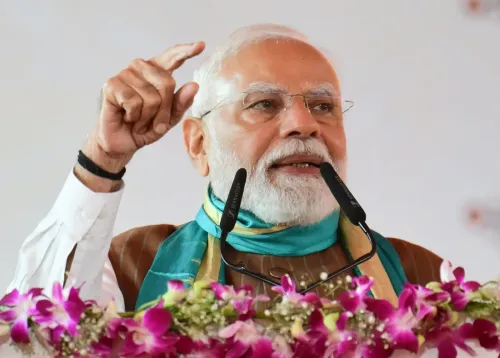
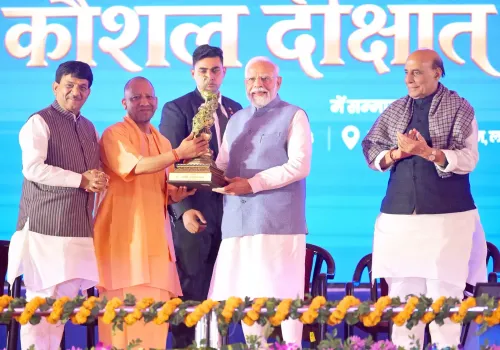
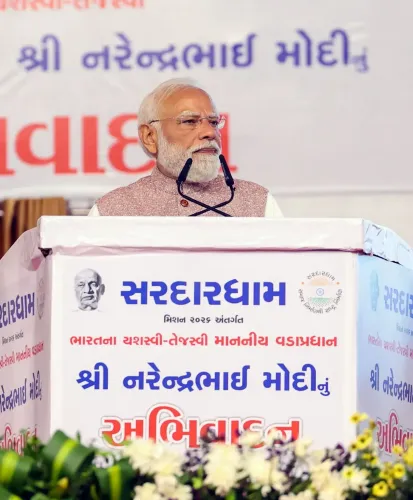
PM Modi 's appeal to avoid non-essential gold purchases for a year — made at an event in Lucknow — is cited as the trigger for the behavioural shift.
India's gold import bill fell by nearly 40 per cent during April–October 2026, saving the country $16.46 billion in foreign exchange — a trend that Confederation of All India Traders (CAIT) Secretary General Praveen Khandelwal attributed on Sunday to Prime Minister Narendra Modi's public appeal urging citizens to avoid non-essential gold purchases for a year. According to Khandelwal, gold imports during the seven-month period fell to $24.78 billion, down from $41.24 billion in the corresponding period a year earlier.
The Import Numbers
The steepest month-on-month contrast came in October 2026, when gold imports plunged to $5.51 billion from $14.72 billion in October 2025 — a year-on-year decline of approximately 62.6 per cent. That single-month reading alone underscores how dramatically import appetite has shifted since the Prime Minister's remarks at an event in Lucknow.
Khandelwal described the numbers as a direct reflection of public participation in the government's nation-first economic approach, adding that such broad-based citizen response could translate into measurable macroeconomic outcomes.
Context: India's Surging Gold Import Bill
The scale of the reversal becomes clearer against the backdrop of India's recent import trajectory. The country's gold import bill stood at approximately $58.01 billion in FY25, rising sharply to roughly $71.98 billion in FY26 — making gold one of India's most significant import expenditure heads after crude oil. Based on the current declining trend, Khandelwal estimated that total gold imports could fall to between $35 billion and $40 billion in FY27, roughly half the FY26 level.
This comes amid sustained pressure on India's current account deficit, where high gold imports have historically amplified the trade gap and strained foreign exchange reserves.
What Industry Leaders Said
CAIT National President B.C. Bhartia said the Prime Minister's appeal extended beyond curbing gold imports — it was a broader call for citizens to exercise restraint in personal consumption in the national interest. Bhartia added that the public's response reflected a growing awareness of the country's economic priorities.
Pankaj Arora, National President of the All India Jewellers and Goldsmith Federation (AIJGF), acknowledged gold's deep roots in India's cultural life — encompassing weddings, family savings and social traditions. However, he noted that a substantial share of India's gold requirements is met through imports, resulting in significant foreign exchange outflows. Arora said moderation in purchases could help the country manage its trade deficit more prudently.
Why It Matters for the Economy
India is the world's second-largest consumer of gold, and import-driven demand has long been a structural drag on the current account. A sustained reduction of the magnitude suggested by April–October 2026 data could meaningfully narrow the trade deficit and ease pressure on the rupee. Notably, the period coincides with the wedding and festive seasons — traditionally the highest-demand windows for gold — making the decline even more striking.
Whether the trend holds through the remainder of FY27 will depend on price levels, rural income trends and the duration of citizen restraint beyond the initial appeal period. Full-year import data, expected in the months ahead, will provide a clearer picture of the lasting impact.
Point of View
But the attribution deserves scrutiny. A 40 per cent drop in gold imports over a period that spans the festive and wedding season — historically peak demand windows — is significant, but the role of price elasticity, global gold price movements, and tighter import channels cannot be separated from behavioural change without granular data. CAIT's framing is explicitly nation-first and politically aligned, so treating this as a neutral macroeconomic read requires caution. The more durable question is whether this represents a structural demand shift or a temporary deferral — and what happens to the trade deficit if imports snap back in H2 FY27.
NationPress
22 Nov 2026
Frequently Asked Questions
How much did India's gold imports fall in April–October 2026?
India's gold imports fell to $24.78 billion in April–October 2026, down from $41.24 billion in the same period a year earlier — a decline of nearly 40 per cent. This represents a foreign exchange saving of approximately $16.46 billion, according to CAIT.
What was PM Modi's appeal regarding gold purchases?
Prime Minister Narendra Modi publicly urged citizens to avoid non-essential gold purchases for a year, with remarks made at an event in Lucknow. CAIT has linked the subsequent drop in import figures to this behavioural appeal.
Which month saw the steepest drop in gold imports?
October 2026 recorded the sharpest single-month decline, with gold imports falling to $5.51 billion from $14.72 billion in October 2025 — a year-on-year drop of approximately 62.6 per cent.
What is India's projected gold import bill for FY27?
CAIT Secretary General Praveen Khandelwal estimated that India's total gold imports could decline to between $35 billion and $40 billion in FY27, significantly lower than the approximately $71.98 billion recorded in FY26.
Why do gold imports matter for India's economy?
Gold is one of India's largest import expenditure heads after crude oil, and high import volumes widen the trade deficit and put pressure on the rupee and foreign exchange reserves. A sustained reduction could meaningfully ease the current account deficit, particularly if the trend holds through peak demand seasons.