PM Modi credits citizens for heeding gold-buying restraint, claims prices fell
Synopsis
PM Modi at Lucknow’s National Skill Convocation claimed his year-old appeal for gold-buying restraint was widely obeyed, contributing to a price fall — invoking Lal Bahadur Shastri’s wartime sacrifice appeal as a parallel. The claim, made without citing independent data, spotlights how government messaging intersects with India’s massive gold consumption habits.
Key Takeaways
PM Modi on 21 November 2026 claimed his appeal to avoid unnecessary gold purchases for a year had been widely heeded by citizens.
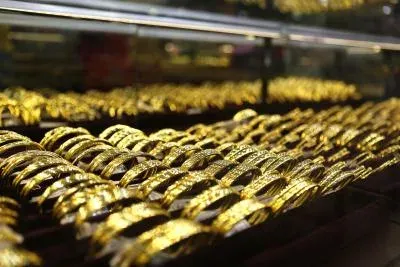
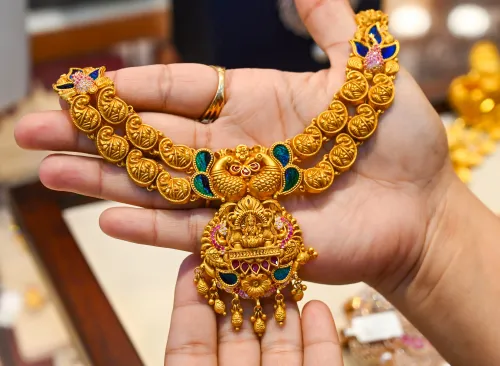
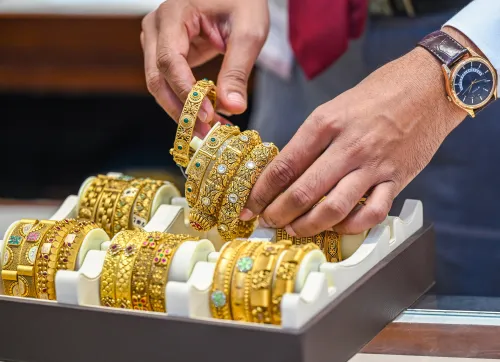
He asserted that reduced demand contributed to a fall in gold prices , helping people save money — though no independent data was cited.
Modi drew a comparison with Lal Bahadur Shastri’s wartime appeal to skip one meal, calling it evidence of India’s unchanged civic character.
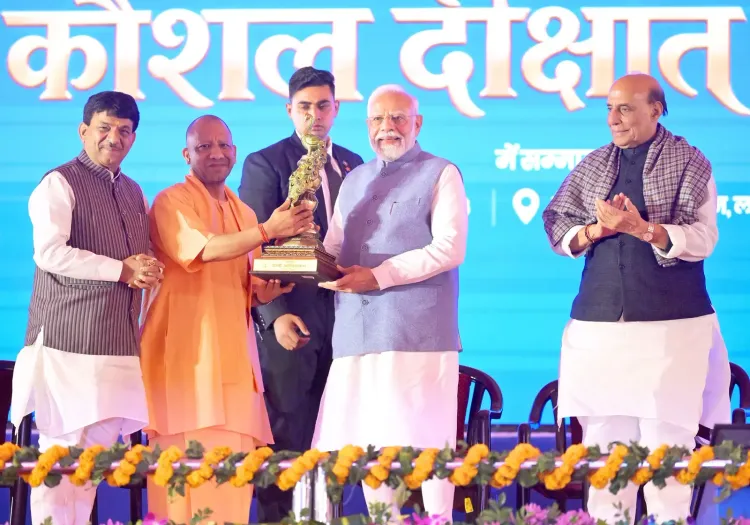
The remarks were made at the fifth Kaushal Deekshant Samaroh in Lucknow , where 52 national-level ITI and skill-training toppers were felicitated.
Modi also praised the rising global demand for skilled Indian workers, particularly in Gulf countries .
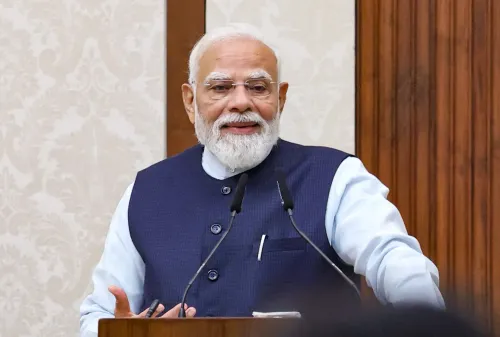
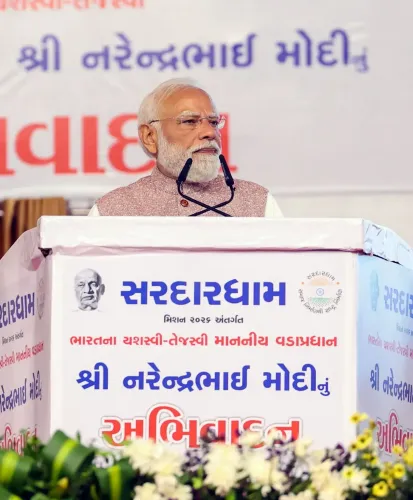
Prime Minister Narendra Modi on Saturday, 21 November 2026, claimed that his year-old appeal urging Indians to voluntarily cut back on gold purchases had yielded tangible results — contributing, in his assertion, to a fall in gold prices and helping ordinary households save money. He made the remarks while addressing the fifth National Skill Convocation Ceremony, or Kaushal Deekshant Samaroh, in Lucknow.
What Modi Said
Recalling the appeal he had made approximately a year ago, Modi said citizens across the country had responded with restraint. “A year ago, I urged the countrymen: for one year, if it is not necessary, please do not buy gold,” he said, adding that the collective response had been heartening.
He further claimed that reduced demand had exerted downward pressure on prices, and that several people had personally conveyed their gratitude to him. “An ordinary person like me asked to buy less gold; the countrymen bought less gold, and gold prices fell. Today, people are telling me, ‘Modi ji, you spoke, we listened to your advice, and our money was saved,’” he said.
The Shastri Comparison
Drawing a historical parallel, Modi likened the response to former Prime Minister Lal Bahadur Shastri’s famous appeal during a food shortage, when Shastri had urged citizens to skip one meal a week. “I am happy, just as Lal Bahadur Shastri ji had asked the countrymen to skip one meal, and this country obeyed his call; my country still holds that same character,” he said.
The comparison is notable: Shastri’s call came during a verifiable national grain crisis in the 1960s, underscoring the weight Modi sought to attach to his own appeal. It is worth noting, however, that gold prices are determined by a complex interplay of global commodity markets, US dollar movements, and international investor sentiment — and no independent data has been cited to directly attribute any price movement to the domestic demand restraint Modi described.
The Skill Convocation Backdrop
Modi’s remarks on gold came as an aside at an event focused on vocational excellence. The ceremony saw 52 national-level toppers from Industrial Training Institutes (ITIs) and other skill-training institutions felicitated. The Prime Minister used the platform to highlight the growing international demand for skilled Indian workers, with particular praise for the role of Indian artisans in infrastructure development across Gulf countries.
This was the fifth edition of the national skill convocation, an initiative aimed at recognising and elevating the stature of vocational education in India — a sector the government has pushed as central to its employment and demographic dividend strategy.
Context and Significance
India is the world’s second-largest consumer of gold, and domestic demand is widely tracked as a factor in import bills and current account dynamics. Critics may note that the claim of a causal link between Modi’s appeal and gold price movements requires scrutiny, given that global prices are set on international exchanges. Nevertheless, any significant reduction in domestic gold imports would, in theory, ease pressure on the trade deficit. The Prime Minister did not cite specific data on the quantum of demand reduction or the magnitude of price change attributed to the appeal.
Point of View
And prices in 2025–2026 have been shaped overwhelmingly by US Federal Reserve rate expectations, dollar movements, and geopolitical safe-haven demand — factors entirely beyond any domestic appeal. The Shastri parallel is rhetorically powerful but contextually strained: Shastri acted during a domestic food shortage where individual behaviour directly affected supply. Invoking it here conflates citizen virtue with commodity economics. That said, the PM’s framing does something politically durable: it ties citizen compliance to a tangible outcome, reinforcing the idea of a responsive, sacrifice-ready public — a narrative asset regardless of the underlying economics.
NationPress
21 Nov 2026
Frequently Asked Questions
What was PM Modi’s appeal regarding gold purchases?
About a year before his 21 November 2026 speech in Lucknow, PM Modi had urged citizens to avoid unnecessary gold purchases for one year. He claimed on Saturday that citizens had heeded the call, contributing to a fall in gold prices and helping households save money.
Did Modi’s appeal actually cause gold prices to fall?
PM Modi claimed a direct link between reduced domestic buying and lower prices, but he did not cite independent data to support this. Gold prices are largely determined by global commodity markets, US dollar movements, and international investor sentiment, making a direct causal link difficult to verify independently.
Why did Modi compare himself to Lal Bahadur Shastri?
Modi invoked former PM Lal Bahadur Shastri’s famous wartime appeal — asking citizens to skip one meal a week during a food shortage — to argue that India’s civic character of responding to leadership calls remained unchanged. He used the parallel to frame the gold restraint as a similar act of collective national discipline.
What was the event where Modi made these remarks?
Modi was in Lucknow for the fifth National Skill Convocation Ceremony (Kaushal Deekshant Samaroh) , where 52 national-level toppers from ITIs and skill-training institutions were honoured. The gold remarks were made during his broader address at the event.
What else did Modi say at the Lucknow skill event?
Beyond the gold comments, PM Modi highlighted the growing international demand for skilled Indian workers and praised the contribution of Indian artisans to infrastructure projects in Gulf countries , reinforcing the government’s emphasis on vocational training as an employment driver.