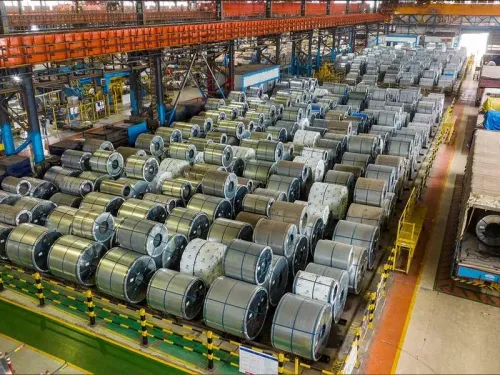
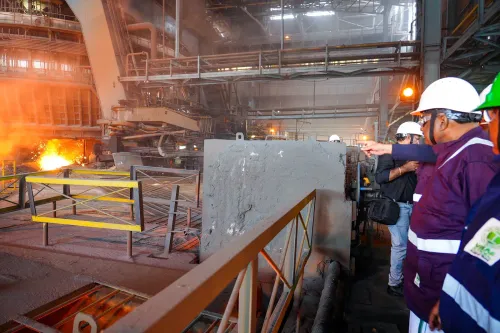
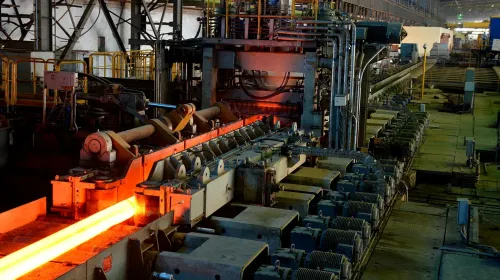
India ferro-alloys sector eyes global hub status as steel output hits 165 mn tonnes
Synopsis
India's steel output surged past 165 million tonnes in 2025 — up 10% year-on-year — and a 300-million-tonne capacity target by FY31 is set to make the country one of the world's most consequential ferro-alloys markets. But IFAPA is sounding an alarm: unviable mine auctions and uncompetitive power costs could leave India importing the very raw materials it needs to build this industrial future.
Key Takeaways
India's crude steel output reached approximately 165 million tonnes in 2025 , up more than 10% year-on-year.
Steel demand is projected to grow at around 7% annually , with a capacity target of 300 million tonnes by FY31 .
Per-capita steel consumption has risen from 24 kg in 1991 to 109 kg in 2025 , crossing the 100-kg milestone .
IFAPA Chairman Manish Sarda called for faster development of domestic manganese, chromium, and other critical minerals to reduce import dependence.
The association flagged that many auctioned manganese ore mines remain non-operational due to unviable economics, and urged reforms to auction frameworks.
IFAPA also demanded competitive power costs and rationalisation of electricity-related levies for energy-intensive ferro-alloy producers.
India's fast-expanding steel industry is opening a significant new growth corridor for the domestic ferro-alloys sector, positioning the country to deepen its footprint in global markets, the Indian Ferro Alloy Producers' Association (IFAPA) said on Friday, 18 September 2026. The assessment was made at IFAPA's 6th International Ferro Alloys Conference in New Delhi, where the association laid out both the scale of the opportunity and the policy reforms it believes are essential to seize it.
Steel output and demand driving the opportunity
India's crude steel production reached approximately 165 million tonnes in calendar year 2025, marking a year-on-year rise of more than 10 per cent, according to IFAPA. Steel demand is projected to grow at roughly 7 per cent annually, underpinned by infrastructure spending, urbanisation, and manufacturing expansion.
The country has also set a target of around 300 million tonnes of steelmaking capacity by FY31, a goal that would substantially widen the market for ferro-alloy inputs — including manganese, chromium, and silicon — used to improve steel's strength, hardness, and corrosion resistance. Ferro alloys are critical to producing steel for infrastructure, automobiles, railways, defence, and specialised industrial applications.
Per-capita consumption milestone crossed
India has crossed what the association described as a landmark consumption threshold: per-capita steel use has climbed from around 24 kg in 1991 to approximately 109 kg in 2025. Having now exceeded the 100-kg mark, the next phase of demand growth could substantially expand requirements for both steel and the ferro alloys integral to its production, the IFAPA statement noted.
What IFAPA is asking the government
The association called for competitive power costs for energy-intensive ferro-alloy producers, along with a rationalisation of electricity-related charges and levies. Given that power constitutes a major share of operating costs in smelting and alloying, the industry argues that uncompetitive energy pricing is a structural handicap.
Manish Sarda, Chairman of IFAPA, said securing indigenous sources of critical raw materials must be a priority. 'Securing indigenous sources of critical raw materials must be a priority for Indian ferro-alloy producers to become globally competitive and support the vision of Aatmanirbhar Bharat. We need faster exploration and development of domestic manganese, chrome and other critical minerals,' he said.
Mine auctions: high bids, low output
Sarda also flagged a structural problem in the mineral auction framework. 'While several manganese ore mines have been auctioned at high premiums, many remain non-operational because the economics are often unviable. Auction frameworks should therefore encourage actual mine development and production, not simply the highest bid,' he said.
The association argued that commercially viable access to domestic mineral resources is critical to reducing import dependence and building a self-reliant ferro-alloys industry — directly aligned with the Centre's Aatmanirbhar Bharat agenda. This comes amid broader policy conversations around critical minerals security, with India having identified manganese and chromium as strategic inputs.
The road ahead
With the FY31 steelmaking capacity target still years away, industry stakeholders will be watching whether the government moves on power tariff rationalisation and mine development incentives in upcoming policy reviews. The trajectory of global steel demand — particularly from infrastructure-heavy economies — will also shape how quickly India can consolidate its position as a ferro-alloys export hub.
Point of View
Domestic raw material security will remain aspirational. Add uncompetitive power tariffs to the equation, and Indian ferro-alloy producers face a two-front cost disadvantage against Chinese and South African rivals — precisely when the opportunity is largest.
NationPress
18 Sept 2026
Frequently Asked Questions
What is the current state of India's steel production?
India's crude steel production reached approximately 165 million tonnes in calendar year 2025, up more than 10% year-on-year, according to IFAPA. The country is targeting around 300 million tonnes of steelmaking capacity by FY31.
What are ferro alloys and why are they important?
Ferro alloys are compounds that combine iron with elements such as manganese, chromium, and silicon to improve steel's strength, hardness, and corrosion resistance. They are essential inputs for producing steel used in infrastructure, automobiles, railways, defence, and specialised industrial applications.
What policy changes is IFAPA seeking from the government?
IFAPA is calling for competitive power costs and rationalisation of electricity-related charges for energy-intensive ferro-alloy producers. It is also urging reforms to mine auction frameworks so they incentivise actual mine development and production rather than prioritising the highest bid.
What is the significance of India crossing 109 kg per-capita steel use?
Per-capita steel consumption rising from 24 kg in 1991 to 109 kg in 2025 marks a structural shift in India's industrial base. IFAPA noted that having crossed the 100-kg threshold, the next phase of demand growth could significantly expand requirements for both steel and the ferro alloys needed to produce it.
Why do many auctioned manganese mines remain non-operational?
IFAPA Chairman Manish Sarda said several manganese ore mines auctioned at high premiums remain non-operational because the underlying economics are often unviable. He argued that auction frameworks should encourage actual mine development and production rather than rewarding the highest bid alone.