India two-wheeler sector may post 5% growth in FY27: ICRA
Synopsis
India's two-wheeler sector roared into FY2027 with a 29.2% wholesale surge in April 2026, fuelled by GST 2.0 reforms — but ICRA is flagging a reality check ahead. A weak monsoon outlook, rising input costs, and geopolitical export risks mean the full-year 5% growth target is achievable but not guaranteed. Meanwhile, electric two-wheelers are quietly rewriting the market, hitting 8.1% penetration in April alone.
Key Takeaways
India's two-wheeler industry is forecast to post up to 5% year-on-year wholesale volume growth in FY2027 , per ICRA .
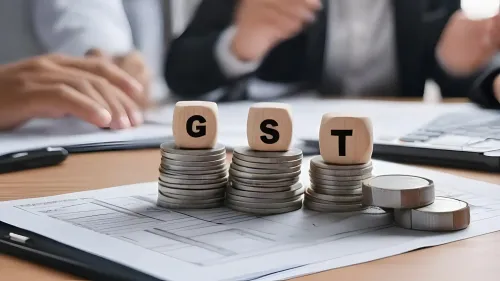
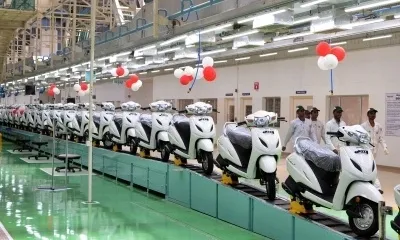
Domestic wholesale volumes surged 29.2% year-on-year in April 2026 to 1.9 million units , driven by GST 2.0 reforms .
Electric two-wheeler retail sales hit 1,54,337 units in April 2026, up 68.1% year-on-year ; e2W penetration reached 8.1% of the overall market.
Two-wheeler exports rose 38.3% year-on-year in April 2026; full-year FY2026 exports grew 23.3% .
Key risks include a weak El Niño-led monsoon , high base effect, rising input costs, and West Asia geopolitical tensions threatening export supply chains.
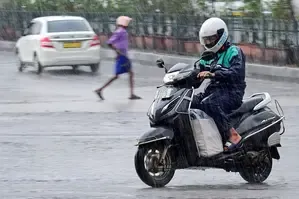
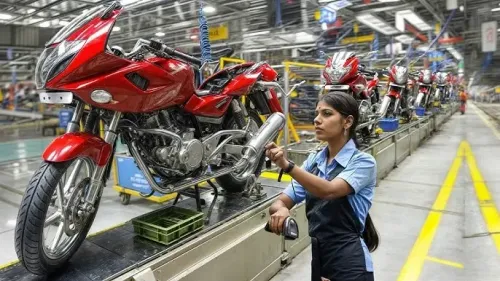
India's two-wheeler industry is projected to record wholesale volume growth of up to 5 per cent year-on-year in FY2027, driven by GST rationalisation and improving replacement demand, according to a report by ICRA released on Wednesday, 20 May 2026. The outlook comes on the back of a strong April performance that signalled renewed consumer momentum across both conventional and electric segments.
April 2026 Wholesale Surge
Domestic two-wheeler wholesale volumes jumped 29.2 per cent year-on-year in April 2026, reaching 1.9 million units, according to the ICRA report. The sharp rise was attributed largely to improved affordability following the rollout of GST 2.0 reforms, which lowered the effective cost burden on buyers. Retail demand also held firm, with volumes climbing 13 per cent year-on-year during the same period.
Supporting retail growth were lower-than-expected price hikes, sustained rural cash flows from strong agricultural output, and an extended wedding season that ran through mid-May. This confluence of demand drivers helped absorb the impact of modest fuel-driven price increases.
Headwinds That Could Moderate Growth
Despite the buoyant April numbers, ICRA cautioned that growth momentum is likely to moderate in the months ahead. Key risks flagged include a high base effect from FY2026, weak El Niño-led monsoon forecasts that could dampen rural incomes, fuel-driven price hikes, and rising input costs. A below-normal monsoon would be a particular concern, given that rural markets account for a significant share of two-wheeler demand in India.
Electric Two-Wheeler Segment Accelerates
The electric two-wheeler (e2W) segment delivered standout performance, with retail sales reaching 1,54,337 units in April 2026 — a 68.1 per cent year-on-year increase. For the full year FY2026, e2W volumes expanded by approximately 22 per cent, with segment penetration within the overall two-wheeler market reaching 8.1 per cent in April 2026.
The ICRA report attributed this steady climb to increasing consumer acceptance, a wider product range, and improving cost competitiveness of electric vehicles. Notably, the e2W penetration figure marks a meaningful step toward mainstream adoption, even as the segment still has significant headroom to grow.
Exports Remain a Bright Spot
Two-wheeler exports continued to outperform, with monthly export volumes rising 38.3 per cent year-on-year in April 2026. For FY2026 as a whole, overall two-wheeler exports grew 23.3 per cent, underpinned by expanding product portfolios and rising global recognition of Indian brands in emerging markets.
However, the report flagged that geopolitical uncertainties — particularly ongoing tensions in West Asia — could continue to disrupt supply chains and weigh on export performance in the near term. This comes amid a broader global trade environment marked by elevated freight costs and demand variability across key export destinations.
Outlook for FY2027
With GST tailwinds, a maturing e2W ecosystem, and a resilient export base, the structural case for the two-wheeler sector remains intact. The critical variable for FY2027 will be the monsoon trajectory and its downstream effect on rural purchasing power — the segment that has historically driven volume cycles for India's largest vehicle category.
Point of View
Not a structural inflection — and ICRA is right to temper expectations. The more consequential number is the e2W penetration figure: 8.1% in a single month signals that the electric transition in two-wheelers is moving faster than most legacy OEMs had modelled. The monsoon variable, however, is the sector's perennial wildcard: rural India still drives volume cycles, and a below-normal season could quickly erase the goodwill that GST 2.0 created. Export growth at 23.3% for FY2026 is impressive, but West Asia exposure is a concentration risk that the industry has not adequately diversified away from.
NationPress
24 Sept 2026
Frequently Asked Questions
What is the growth forecast for India's two-wheeler sector in FY2027?
According to an ICRA report released on 20 May 2026, India's two-wheeler industry is expected to record wholesale volume growth of up to 5 per cent year-on-year in FY2027, supported by GST rationalisation and improving replacement demand.
Why did two-wheeler wholesale volumes spike 29.2% in April 2026?
The sharp rise was driven primarily by improved affordability following the implementation of GST 2.0 reforms, which reduced the effective cost for buyers. Sustained rural cash flows and an extended wedding season also supported retail demand during the month.
How is the electric two-wheeler segment performing?
Electric two-wheeler retail sales reached 1,54,337 units in April 2026, marking a 68.1 per cent year-on-year increase. For the full year FY2026, e2W volumes grew approximately 22 per cent, with segment penetration hitting 8.1 per cent of the overall two-wheeler market in April 2026.
What are the key risks to two-wheeler sector growth in FY2027?
ICRA flagged a high base effect from FY2026, weak El Niño-led monsoon forecasts that could dampen rural incomes, fuel-driven price hikes, rising input costs, and geopolitical uncertainties — particularly tensions in West Asia — as risks to both domestic demand and export performance.
How did two-wheeler exports perform in FY2026?
Overall two-wheeler exports grew 23.3 per cent in FY2026, with monthly export volumes rising 38.3 per cent year-on-year in April 2026. Growth was supported by expanding product portfolios and increasing global recognition of Indian two-wheeler brands, though West Asia tensions remain a supply chain risk.