India-US trade deal first phase likely by mid-July: Piyush Goyal
Synopsis
Commerce Minister Piyush Goyal has put a firm mid-July deadline on the first phase of the India-US bilateral trade deal — the most concrete timeline yet. With Trump publicly backing a deal from the White House and a higher-level US delegation expected before June ends, the window is narrowing fast. The stakes are high: a signed first tranche could also shape India's exposure to looming Section 301 tariffs affecting 60 economies.
Key Takeaways
Commerce Minister Piyush Goyal said on 5 June that India and the US are likely to sign the first phase of the bilateral trade agreement by mid-July .
Three days of trade talks ( June 2–4 ) were held in New Delhi with a full US trade delegation.
US President Donald Trump confirmed on Thursday that both countries would finalise a trade agreement.
The deal is expected to give India preferential market access over competing economies.
The USTR has proposed additional tariffs on 60 economies under Section 301 ; public hearings are set for 7 July .
A higher-level US delegation is expected to visit India by the end of June .
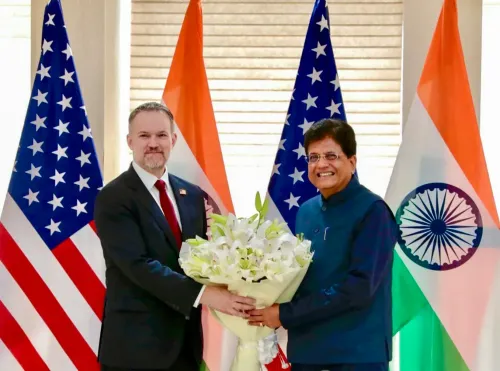
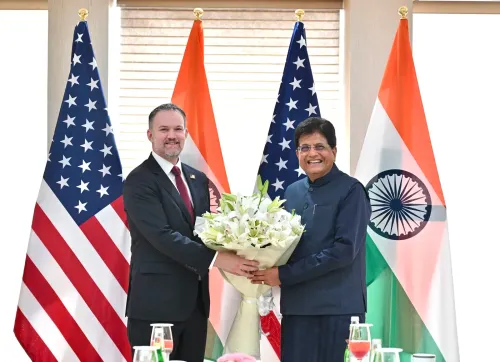
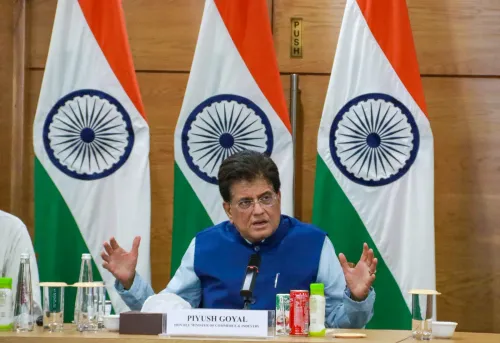
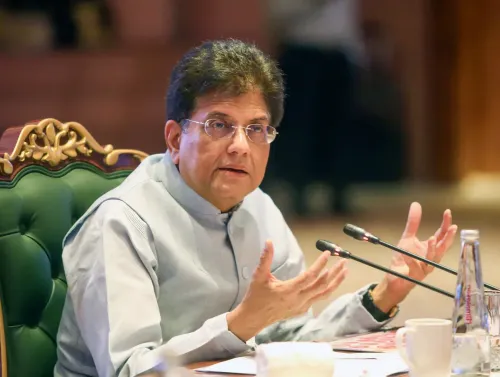
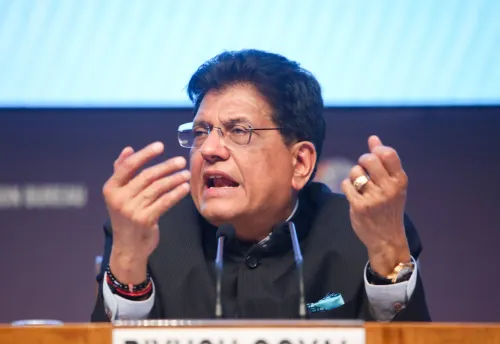
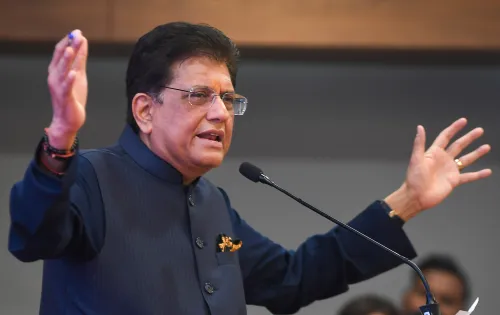
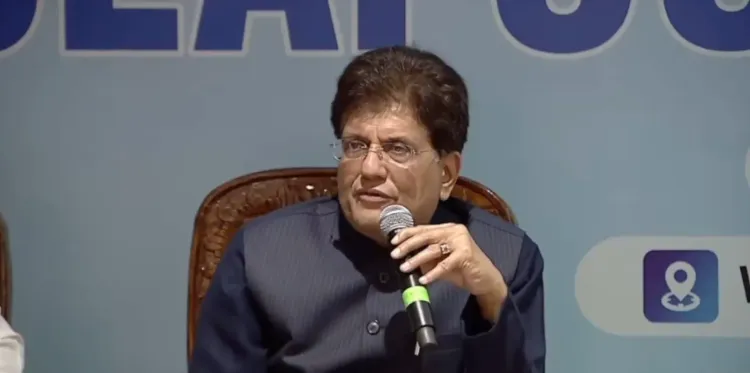
Commerce Minister Piyush Goyal on Friday, 5 June said that India and the United States are on track to sign the first phase of their bilateral trade agreement by the middle of July, following intensive three-day talks in New Delhi. The minister's remarks, made in Visakhapatnam, mark the most definitive public timeline yet for a deal that has been in negotiation since early this year.
What Goyal Said
'We had excellent discussions from June 2–4 this month. We had a full team of officials from different divisions of trade from the US in New Delhi. I also met them yesterday. We are fast-moving towards closing all the open ends,' Goyal told reporters. 'Sometime by the middle of next month or so, we should be in a position to execute a very vibrant first tranche of the bilateral trade agreement.'
He added that the agreement would give India preferential access over its competitors and that he expects a higher-level delegation from the US by the end of June.
Trump Signals a Deal
US President Donald Trump on Thursday publicly confirmed that the two countries would finalise a trade agreement, speaking to reporters at the White House. 'For years, India took advantage of the United States… But we will get to a deal… I like your Prime Minister a lot. He is a good friend of mine, and we get along well. We have a good relationship,' Trump said.
Trump's remarks align with the momentum described by Goyal and signal political will at the highest level on both sides.
The Section 301 Backdrop
The trade talks are unfolding alongside a separate but related pressure point. The Commerce Ministry confirmed on Wednesday that India remains engaged with the US on Section 301 proceedings, in which the United States Trade Representative (USTR) has concluded investigations against 60 economies — including India — over measures that allegedly restrict US goods imports.
Under Section 301 of the US Trade Act of 1974, the USTR has proposed additional tariffs on imports from all 60 affected economies. Products already covered under Section 232 tariffs and certain other categories are excluded. A special mechanism has also been proposed for textile and apparel products, potentially allowing a set volume of imports from select economies at lower tariff rates.
Stakeholders may submit requests to participate in public hearings by 22 June; written comments are accepted until 6 July; and public hearings are scheduled for 7 July. The USTR will weigh submissions before finalising any measures.
Framework and History
The current negotiations are grounded in the India-US joint statement of 7 February, which established a framework for a historic interim trade agreement aimed at mutually beneficial, reciprocal trade — while also committing both nations to broader Bilateral Trade Agreement (BTA) negotiations. The framework was first announced on 2 February this year.
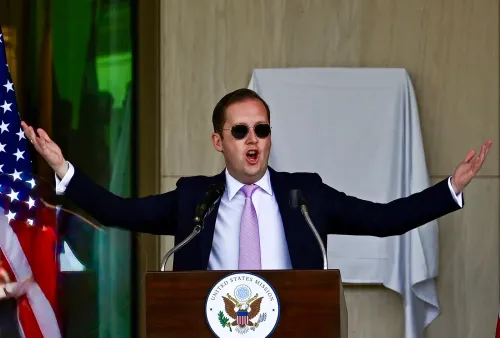
US Ambassador to India Sergio Gor recently said Washington is looking forward to completing a new bilateral trade agreement that will expand market access, reduce barriers, and create greater certainty for businesses on both sides.
What to Watch
The mid-July deadline for the first tranche is now the key milestone. If the preferential access terms are locked in before the USTR's 7 July public hearings conclude, India could be better positioned to influence the final shape of any Section 301 tariff action. The arrival of a higher-level US delegation before the end of June will be the next visible signal of whether talks are on schedule.
Point of View
A timing that is almost certainly not coincidental. A signed first tranche would give India political cover and negotiating leverage against the proposed additional tariffs. The risk is that 'first phase' agreements in trade diplomacy often carry symbolic weight that outpaces their actual market-opening content. The test will be whether the preferential access Goyal promises is sector-specific and verifiable, or a headline number that obscures continued non-tariff barriers on both sides.
NationPress
21 Oct 2026
Frequently Asked Questions
When is the India-US bilateral trade agreement first phase expected to be signed?
Commerce Minister Piyush Goyal said on 5 June that the first phase is expected to be signed by mid-July 2025, following intensive talks in New Delhi from 2–4 June. A higher-level US delegation is expected before the end of June to advance the process.
What did US President Trump say about the India-US trade deal?
Speaking at the White House on Thursday, Trump confirmed that India and the US would finalise a trade agreement. He noted his personal rapport with Prime Minister Modi, saying 'I like your Prime Minister a lot. He is a good friend of mine.'
What is the India-US Section 301 investigation and how does it affect India?
The USTR has concluded investigations against 60 economies, including India, over measures that restrict US goods imports, and has proposed additional tariffs under Section 301 of the US Trade Act of 1974. Stakeholders can submit written comments until 6 July and public hearings are scheduled for 7 July before the USTR takes a final decision.
What is the basis for the current India-US trade negotiations?
The negotiations are grounded in the India-US joint statement of 7 February 2025, which established a framework for a historic interim trade agreement aimed at mutually beneficial, reciprocal trade, alongside broader Bilateral Trade Agreement (BTA) negotiations first announced on 2 February.
What benefit does India expect from the first phase of the trade agreement?
According to Commerce Minister Goyal, the first tranche of the bilateral trade agreement will give India preferential market access over its competitors in the US market. The deal is also expected to expand market access and reduce trade barriers for businesses on both sides, as noted by US Ambassador Sergio Gor.