India-US trade deal first tranche likely by July: Piyush Goyal
Synopsis
Commerce Minister Piyush Goyal has put a public deadline on one of India's most consequential trade negotiations — a July signing of the first tranche of the India-US bilateral trade deal. With a full US trade delegation already having visited New Delhi on 5 June, the talks have moved from diplomatic pleasantry to operational urgency, and a concluded tranche would be the biggest India-US trade milestone in years.
Key Takeaways
Commerce Minister Piyush Goyal said on 8 June that India and the US could sign the first tranche of their bilateral trade deal as early as July 2025 .
Goyal described the anticipated first phase as a 'very vibrant first tranche' that would lay the foundation for deeper economic cooperation.
On 5 June , a full team of US trade officials from multiple divisions visited New Delhi for extensive talks with Indian counterparts.
The deal is expected to improve market access for Indian exporters in sectors including pharmaceuticals, textiles, and technology services.
Both sides are working to resolve remaining gaps despite ongoing tariff-related concerns.
A concluded first tranche is seen as a stepping stone to a broader, more comprehensive trade framework.
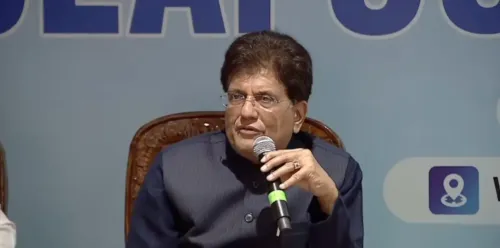
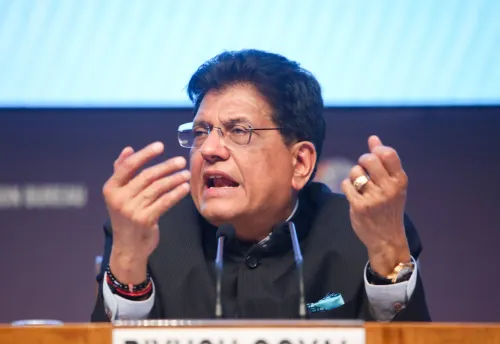
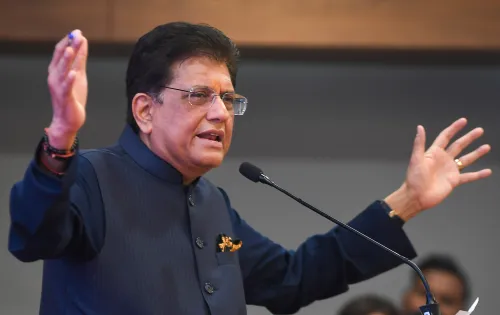
Commerce and Industry Minister Piyush Goyal said on Monday, 8 June that India and the United States could sign the first tranche of their long-awaited bilateral trade agreement as early as July 2025, signalling that negotiations between the two nations have entered a decisive phase. Goyal made the remarks on the sidelines of an event in New Delhi, adding that both sides are actively working to resolve the remaining gaps in the proposed pact.
Where Negotiations Stand
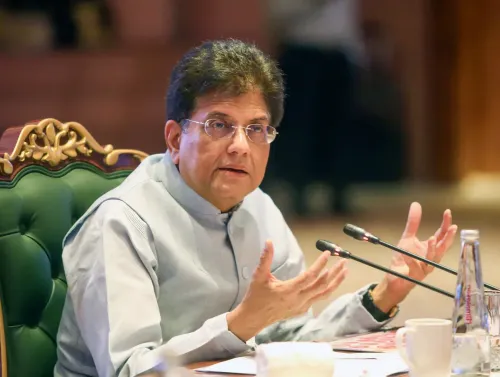
According to Goyal, discussions between Indian and US trade officials have advanced considerably in recent weeks, with both delegations focused on arriving at a mutually beneficial outcome. The minister described the anticipated first phase as a 'very vibrant first tranche' that would lay the groundwork for deeper and more comprehensive economic cooperation going forward.
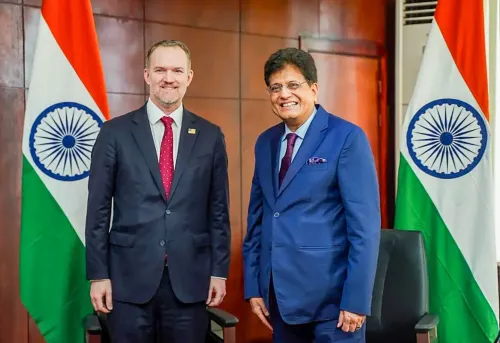
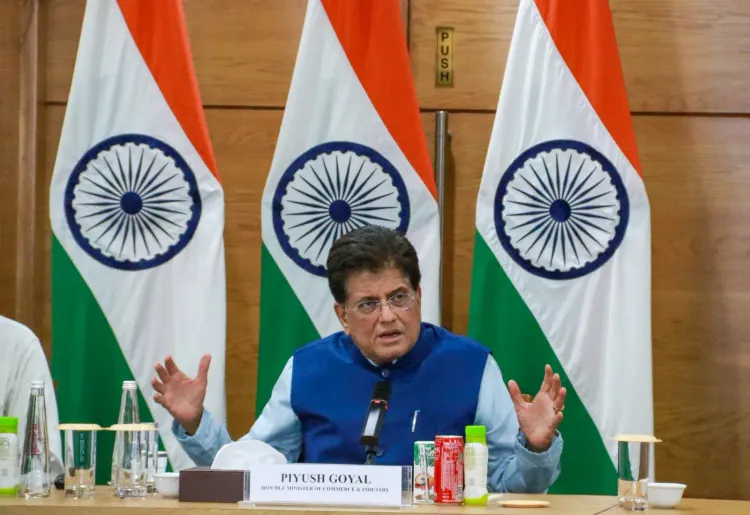
Notably, on 5 June, Goyal had disclosed that a full contingent of US trade officials from multiple divisions had travelled to New Delhi for extensive face-to-face discussions with their Indian counterparts. 'We had a full team of officials from different divisions of trade from the U.S. in Delhi,' Goyal said, underlining the seriousness with which Washington is approaching the talks.
Why the Deal Matters
The proposed India-US bilateral trade agreement is widely seen as a strategic priority for both governments at a time when global supply chains are being reconfigured and both nations are seeking to reduce dependence on single-source markets. For India, a concluded first tranche would open improved market access for exporters in key sectors — including pharmaceuticals, textiles, engineering goods, and technology services.
This comes amid broader tariff-related concerns that have periodically clouded the negotiations. Despite those frictions, the minister's latest remarks suggest that both sides are choosing to push through rather than pause, reflecting the larger geopolitical imperative driving the talks.
What the First Tranche Could Cover
While specific sectoral details of the first tranche have not been officially disclosed, trade observers note that an initial agreement typically addresses the most commercially ready areas — those where both sides have already narrowed differences. A successful first tranche is expected to serve as a confidence-building measure, paving the way for a broader and more comprehensive trade framework in subsequent rounds.
What Happens Next
With the mid-July target now publicly on record, pressure will mount on negotiating teams on both sides to close outstanding issues quickly. Industry bodies in India have broadly welcomed the prospect of a deal, though they are watching closely for details on tariff concessions and non-tariff barriers. A formal signing, if it materialises on schedule, would mark the most significant trade milestone in India-US relations in several years.
Point of View
Dairy, and digital trade, and a 'first tranche' framing can mean anything from a narrow tariff rollback to a substantive market-access agreement. The real question is whether this tranche moves the needle on India's export competitiveness or merely provides a headline win ahead of a politically sensitive calendar. Until the text is public, the July target is a signal, not a guarantee.
NationPress
29 Jul 2026
Frequently Asked Questions
What is the India-US trade deal first tranche?
The first tranche refers to the initial phase of a bilateral trade agreement between India and the United States, covering the areas where both sides have narrowed differences sufficiently to sign. Commerce Minister Piyush Goyal indicated on 8 June that this first phase could be concluded as early as July 2025.
Why is the India-US trade deal significant?
The agreement is seen as a strategic priority for both nations as they seek to diversify global supply chains and deepen economic ties. For India, it would open improved market access for exporters in key sectors such as pharmaceuticals, textiles, engineering goods, and technology services.
What did Piyush Goyal say about US officials visiting New Delhi?
Goyal disclosed on 5 June that a full team of US trade officials from multiple divisions had visited New Delhi for extensive discussions with their Indian counterparts, describing it as a sign of serious engagement from Washington's side.
When is the India-US trade deal expected to be signed?
Commerce Minister Piyush Goyal has indicated that the first tranche could be signed by mid-July 2025, though no official date has been confirmed. The timeline depends on both sides resolving the remaining gaps in the proposed agreement.
What happens after the first tranche is signed?
A concluded first tranche is expected to serve as a confidence-building measure and lay the groundwork for a broader, more comprehensive trade framework between India and the United States in subsequent rounds of negotiations.