Indian Railways sanctions ₹163 crore traction upgrade in Nanded division
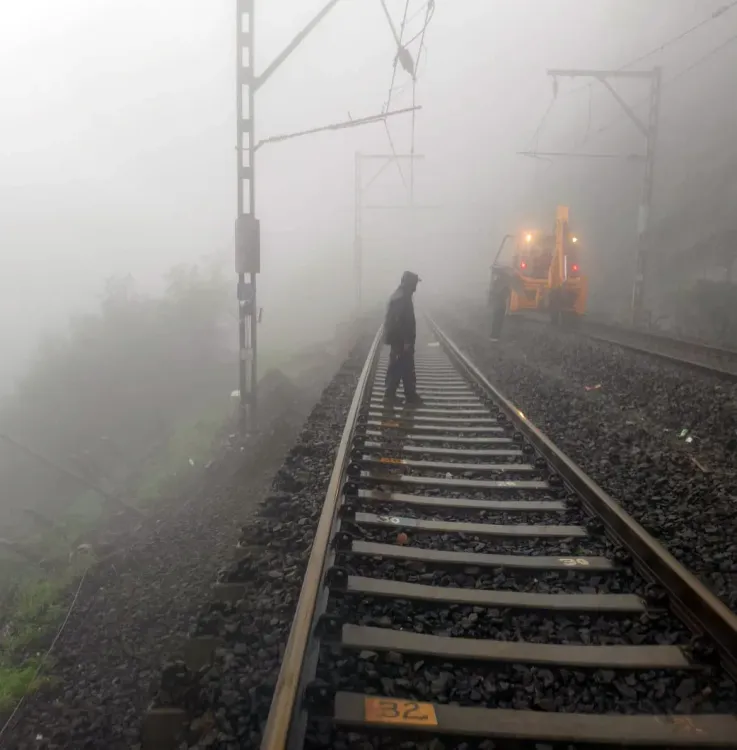
Synopsis
Indian Railways is not just expanding electrification — it is upgrading what already exists. The ₹163 crore traction overhaul on the Parbhani-Mudkhed corridor in Nanded division converts a 164-km stretch to the globally preferred 2x25 kV standard, unlocking higher freight loads and Vande Bharat operations on one of the country's most utilised rail routes.
Key Takeaways
Indian Railways has sanctioned a ₹163 crore electric traction upgrade on the Parbhani-Mudkhed double line section in Nanded division , South Central Railway .
The project converts 164 track kilometres from a 1x25 kV to a more powerful 2x25 kV traction system.
The section is part of HUN Route-9 , a high-density corridor linking Ajmer to Mahbubnagar-Dhone.
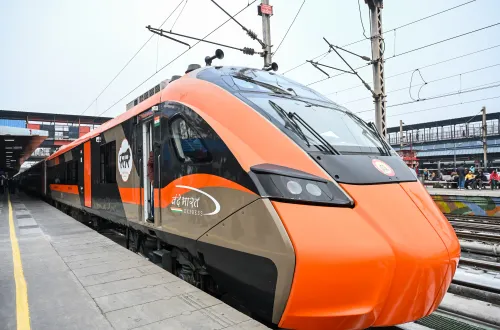
The upgrade will support Vande Bharat Express operations and contribute to the 3,000 million tonne freight target by 2029-30 .
India has electrified 99.6 per cent of its broad gauge network — the largest electrified railway network in the world, ahead of China, Spain, Japan, France, and the UK.
48,072 route km were electrified between 2014 and 2026 , more than double the output of the previous 60 years .
Indian Railways has sanctioned a ₹163 crore project to upgrade the electric traction system on the Parbhani-Mudkhed double line section in the Nanded division of South Central Railway, according to a statement issued by the Ministry of Railways on 28 July 2025. The upgrade will convert the existing 1x25 kV electric traction system to a more advanced 2x25 kV system across 164 track kilometres, alongside associated power supply installation works.
What the Project Covers
The sanctioned work involves replacing the older single-supply traction configuration with an auto-transformer-based 2x25 kV setup, which delivers significantly higher power throughput over the same corridor. The project also includes upgraded power supply infrastructure to meet the enhanced electrical load demands of the section.
The Parbhani-Mudkhed corridor forms part of the strategically designated Highly Utilised Network (HUN) Route-9, which connects Ajmer-Indore-Khandwa-Akola-Purna-Mudkhed-Secunderabad-Mahbubnagar-Dhone — a high-density freight and passenger artery in central and southern India.
Why This Upgrade Matters
The enhanced traction capacity will allow the section to handle higher freight volumes and support the operation of Vande Bharat Express trains, which demand more reliable and robust power supply than older rolling stock. According to the Ministry statement, the project directly contributes to Indian Railways' target of achieving 3,000 million tonnes of freight loading by 2029-30.
This comes amid a broader push by Indian Railways to modernise electrical infrastructure on high-density corridors. The 2x25 kV system is widely regarded as the international standard for high-speed and heavy-haul operations, reducing transmission losses and enabling longer train lengths.
India's Electrification Milestone
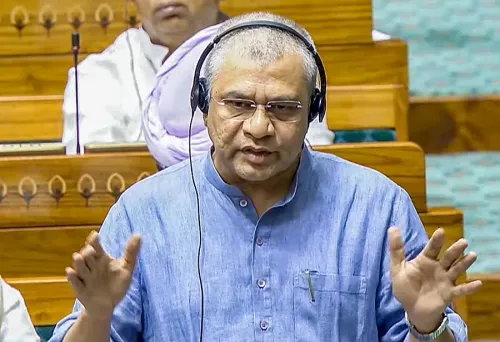
The Nanded upgrade is part of a wider electrification drive that has accelerated sharply over the past decade. Railways Minister Ashwini Vaishnaw informed the Lok Sabha earlier this month that India has electrified 99.6 per cent of its broad gauge track network, making it the country with the largest electrified railway network in the world — second only to Switzerland, which has 100 per cent electrification but a considerably smaller network.
India's electrification rate now surpasses China (82 per cent), Spain (67 per cent), Japan (64 per cent), France (60 per cent), and the United Kingdom (39 per cent).
The Scale of the Mission-Mode Push
According to the minister's statement, 48,072 route km of track were electrified between 2014 and 2026 — more than double the 21,801 route km electrified in the preceding 60 years. The Parbhani-Mudkhed project represents the next layer of that effort: not merely extending electrification, but upgrading existing electrified lines to handle the demands of modern, faster, and heavier operations.
With sectoral execution underway across multiple divisions, the traction upgrade in Nanded signals that the focus is now shifting from coverage to capacity.
Point of View
Harder phase — upgrading what already exists rather than simply wiring new lines. Converting 1x25 kV corridors to 2x25 kV is expensive and operationally disruptive, but it is the prerequisite for running heavier freight rakes and higher-speed Vande Bharat services on the same tracks simultaneously. The real test will be execution timelines: traction upgrades on live, high-utilisation corridors like Parbhani-Mudkhed routinely face delays due to traffic blocks. The 3,000 million tonne freight target by 2029-30 is ambitious, and corridor-by-corridor capacity upgrades of this kind are the unglamorous but essential plumbing that will determine whether that number is achievable.
NationPress
28 Jul 2026
Frequently Asked Questions
What is the ₹163 crore Indian Railways traction upgrade project in Nanded?
It is a sanctioned project to convert the electric traction system on the Parbhani-Mudkhed double line section in Nanded division, South Central Railway, from 1x25 kV to 2x25 kV over 164 track kilometres. The upgrade also includes associated power supply installation works and is aimed at boosting freight capacity and enabling Vande Bharat Express operations.
Why is the 2x25 kV traction system better than 1x25 kV?
The 2x25 kV auto-transformer system delivers significantly higher power throughput with lower transmission losses compared to the older 1x25 kV setup. It is the internationally preferred standard for high-speed and heavy-haul rail operations, allowing longer and heavier trains to run more efficiently on the same corridor.
Which route does the Parbhani-Mudkhed section connect?
The section is part of Highly Utilised Network (HUN) Route-9, which connects Ajmer-Indore-Khandwa-Akola-Purna-Mudkhed-Secunderabad-Mahbubnagar-Dhone. It is a strategically important high-density corridor for both freight and passenger traffic in central and southern India.
How does this project relate to Indian Railways' freight target?
According to the Ministry of Railways, the upgraded traction system will enable the section to handle higher freight volumes, directly supporting Indian Railways' goal of achieving 3,000 million tonnes of freight loading by 2029-30.
How does India's railway electrification compare globally?
India has electrified 99.6 per cent of its broad gauge network, giving it the largest electrified railway network in the world. It ranks second only to Switzerland in electrification percentage, and is ahead of China (82 per cent), Spain (67 per cent), Japan (64 per cent), France (60 per cent), and the United Kingdom (39 per cent), according to Railways Minister Ashwini Vaishnaw.