Indian athletes to wear jute-viscose apparel at Commonwealth Games 2026 in Glasgow
Synopsis
For the first time at an international multi-sport event, Indian athletes will compete in jute-viscose blended apparel — designed by NIFT and developed by the National Jute Board with Gloster Jute Mills. At the Commonwealth Games 2026 in Glasgow, India's kit becomes a live pitch for the country's sustainable textiles ambition and the livelihoods of its jute farmers.
Key Takeaways
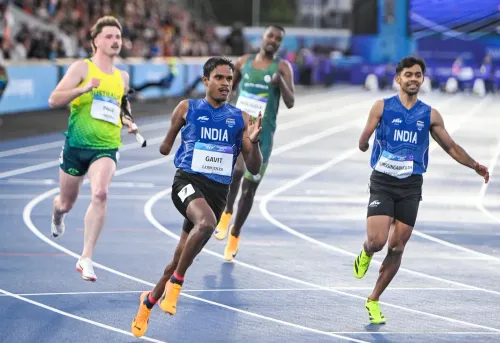
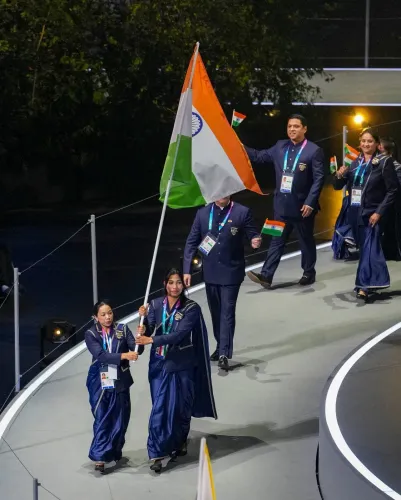
Indian athletes at Commonwealth Games 2026 (Glasgow, 23 July–2 August ) will wear jute-viscose blended apparel — a first for any international multi-sport event.
The fabric was developed by the National Jute Board (NJB) in collaboration with Gloster Jute Mills, Kolkata .
Apparel was designed by the National Institute of Fashion Technology (NIFT), New Delhi .
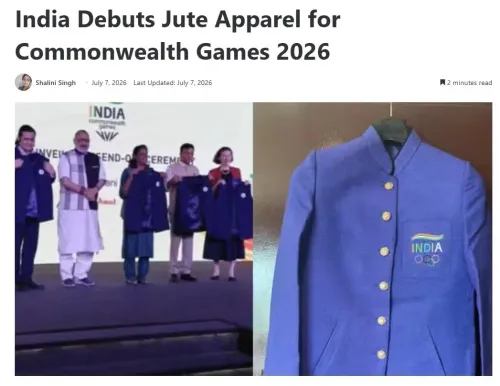
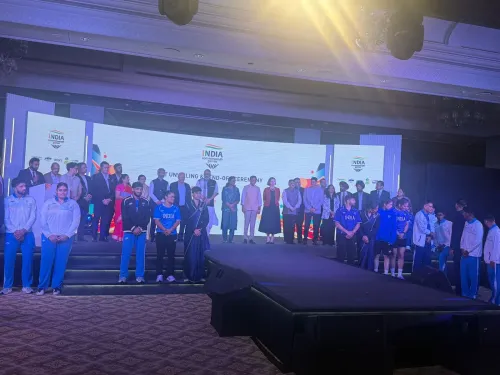
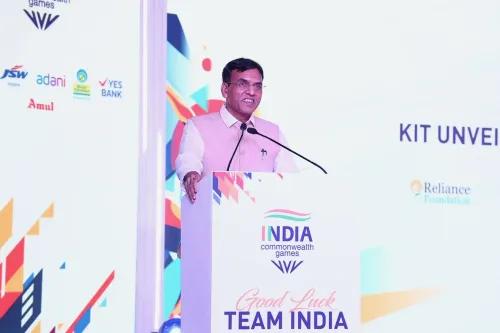
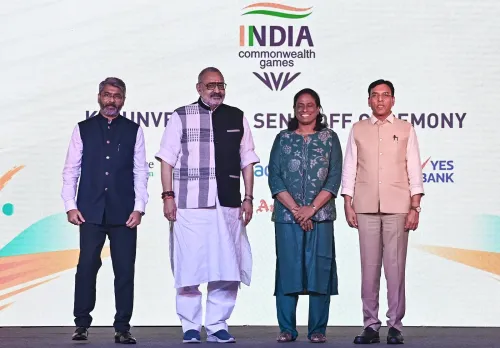
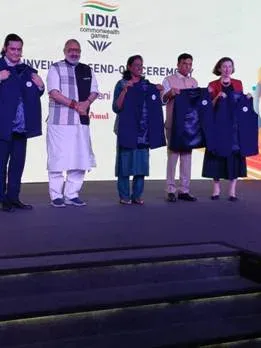
The kit was unveiled at a send-off ceremony attended by ministers Mansukh Mandaviya , Giriraj Singh , Raksha Khadse , and IOA President PT Usha .
The initiative supports India's Jute Diversification Programme and the broader 'Make in India' push for sustainable textiles.
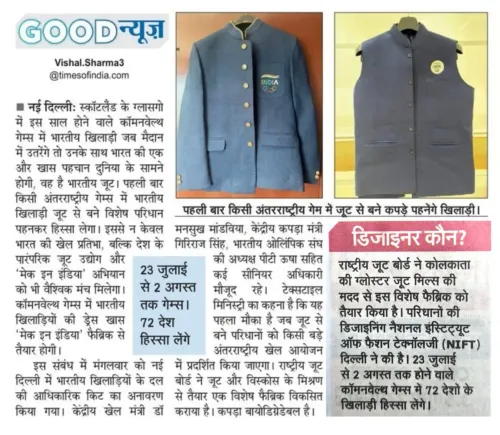
Indian athletes heading to the Commonwealth Games 2026 in Glasgow, Scotland, will sport apparel crafted from jute-viscose blended fabric — a first for any international multi-sport event. The kit, developed by the National Jute Board (NJB) under the Ministry of Textiles, was unveiled at an official send-off ceremony in New Delhi on Tuesday, 7 July 2026, marking a landmark moment for India's sustainable textiles sector.
The Kit and Its Origins
The jute-viscose blended fabric was developed with the support of Gloster Jute Mills, Kolkata, and the final apparel designs were executed by the National Institute of Fashion Technology (NIFT), New Delhi. The products were first publicly showcased during the National Jute Board Foundation Day celebrations held in Patna on 1 April 2026, where representatives of the Indian Olympic Association (IOA) appreciated the initiative, according to the Ministry of Textiles.
The Commonwealth Games 2026 are scheduled from 23 July to 2 August 2026 in Glasgow. Following the Foundation Day display, the National Jute Board worked closely with the IOA to formalise the use of jute-based apparel for the entire Indian contingent.
Key Figures at the Send-Off Ceremony
The kit unveiling and send-off ceremony was attended by Union Minister of Youth Affairs and Sports Dr Mansukh Mandaviya, Union Textiles Minister Giriraj Singh, Minister of State for Youth Affairs and Sports Raksha Khadse, and Indian Olympic Association President PT Usha, among others. The high-profile attendance signals the government's intent to position this initiative as a statement on both sports and industrial policy.
Why Jute — and Why Now
The fabric is described as 100% biodegradable, positioning it as an environmentally conscious alternative to synthetic sportswear. The Ministry of Textiles noted that the initiative is expected to generate global visibility for India's jute industry while spotlighting the craftsmanship of domestic manufacturers and the livelihoods of jute farmers — a community concentrated largely in West Bengal and parts of northeastern India.
This move aligns with the government's broader Jute Diversification Programme, which seeks to create new market opportunities for value-added jute products both domestically and in export markets. Notably, it also feeds into the 'Make in India' narrative that the Ministry of Textiles has been actively advancing under the leadership of Giriraj Singh.
What This Means for India's Jute Sector
India is the world's largest producer of jute, yet the fibre has historically been confined to sacking, packaging, and floor coverings. Deploying jute-viscose blended fabric on a global sporting stage is a deliberate attempt to shift that perception and open premium, fashion-forward markets. The ministry described it as a move that 'strengthens the Jute Diversification Programme by creating new market opportunities for sustainable jute products in India and abroad.'
With the Commonwealth Games providing a global broadcast platform, the Indian contingent's kit could serve as a live advertisement for the country's natural-fibre innovation — an outcome that no trade fair or government campaign alone could replicate.
Point of View
Export incentives, and design investment that outlast the Glasgow fortnight. If NIFT and the NJB can convert this visibility into a repeatable fashion-and-sportswear pipeline, the initiative will matter; if it remains a one-off symbolic gesture, it joins a familiar pattern of well-intentioned launches that fade after the ceremony.
NationPress
6 Oct 2026
Frequently Asked Questions
What is the jute-viscose blended apparel being worn by Indian athletes at Commonwealth Games 2026?
It is a sportswear kit made from 100% biodegradable jute-viscose blended fabric, developed by the National Jute Board in collaboration with Gloster Jute Mills, Kolkata, and designed by NIFT, New Delhi. This is the first time jute-based apparel will be worn at an international multi-sport event.
When and where are the Commonwealth Games 2026?
The Commonwealth Games 2026 are scheduled to be held in Glasgow, Scotland, from 23 July to 2 August 2026.
Why is the National Jute Board promoting jute apparel at the Commonwealth Games?
The initiative aims to generate global visibility for India's jute industry, support jute farmers, and open new markets for value-added jute products. It also advances the government's Jute Diversification Programme and the 'Make in India' agenda for sustainable textiles.
Who designed the Indian contingent's jute-based kit for Commonwealth Games 2026?
The apparel was designed by the National Institute of Fashion Technology (NIFT), New Delhi, using jute-viscose blended fabric developed with support from Gloster Jute Mills, Kolkata.
Who attended the kit unveiling ceremony for Commonwealth Games 2026?
The send-off and kit unveiling ceremony was attended by Union Minister of Youth Affairs and Sports Dr Mansukh Mandaviya, Union Textiles Minister Giriraj Singh, Minister of State for Youth Affairs and Sports Raksha Khadse, and Indian Olympic Association President PT Usha, among others.