UDAN next phase gets ₹28,840 crore allocation to boost regional air connectivity
Synopsis
India's UDAN scheme is getting nearly three times the investment of its entire previous decade — ₹28,840 crore for its next phase. With FTO bases doubling, IGRUA turning surplus for the first time in 20 years, and a declared intent to train pilots domestically at scale, this is the most ambitious structural bet on Indian aviation since the sector was liberalised.
Key Takeaways
₹28,840 crore allocated for the next phase of the UDAN scheme , up from ₹10,000 crore invested over the previous decade.
Flying Training Organisations expanded from 32 in 2020 to 41 in 2026 ; flying bases doubled from 32 to 63 .
IGRUA achieved a budget surplus for the first time in over two decades , averaging 1,765 flying hours per aircraft annually — above the global benchmark of 1,500 hours .
Minister Naidu stressed domestic pilot training as a strategic priority, rejecting reliance on imported aviation workforce.
India's aviation agenda now includes drones, eVTOLs, MRO , and Air Cargo reforms alongside regional connectivity.
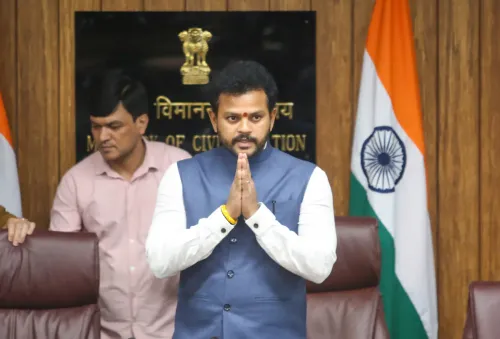
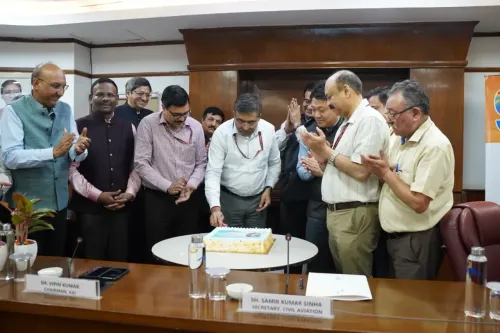
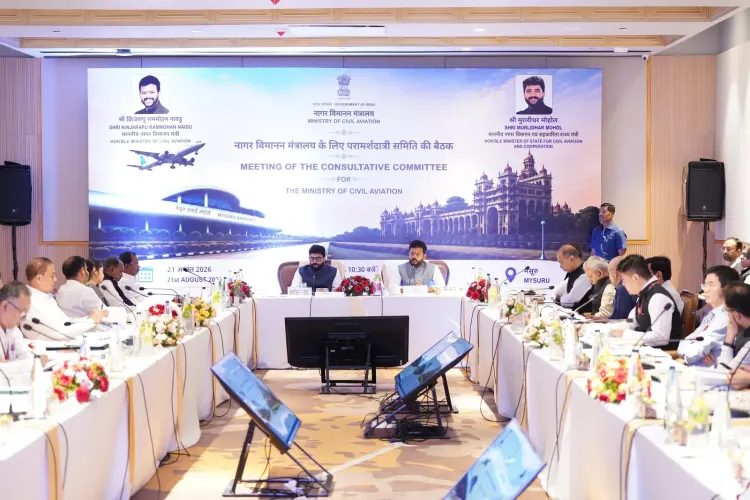
Civil Aviation Minister Kinjarapu Ram Mohan Naidu on Friday, 21 August announced a ₹28,840 crore allocation for the next phase of the UDAN scheme, marking a sharp scale-up from the ₹10,000 crore invested over the previous decade in airport development and Viability Gap Funding. The announcement came during a meeting of the Parliamentary Consultative Committee of the Ministry of Civil Aviation, held in Mysuru, Karnataka.
What the New UDAN Allocation Covers
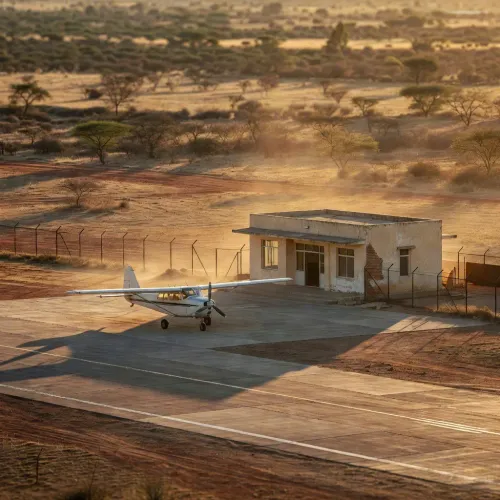
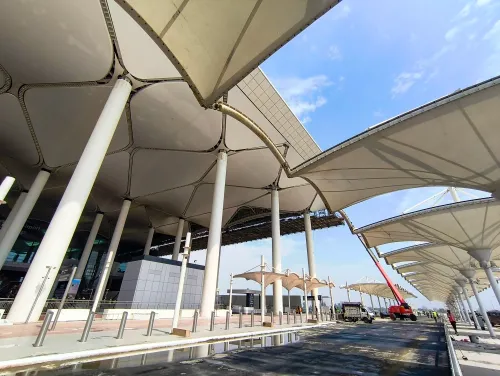
Addressing the committee, Minister Naidu framed the investment as a generational leap. 'In the last 10 years, we invested around ₹10,000 crore in airport development and Viability Gap Funding for the airlines. We are now taking this ambition to a new scale with an allocation of ₹28,840 crore under the next phase of UDAN,' he said. The scheme, built on Prime Minister Narendra Modi's vision of inclusive air travel, is designed to push aviation beyond metro hubs into regional economies — benefiting farmers, exporters, small businesses, and local communities.
Flying Training Ecosystem Gets a Structural Overhaul
The committee was briefed on significant reforms in the Flying Training Organisation (FTO) ecosystem. The number of FTOs has grown from 32 in 2020 to 41 in 2026, while flying bases have expanded from 32 to 63 over the same period. A new FTO ranking framework has been introduced to bring transparent accountability, helping aspiring pilots make informed choices at the outset of their careers.
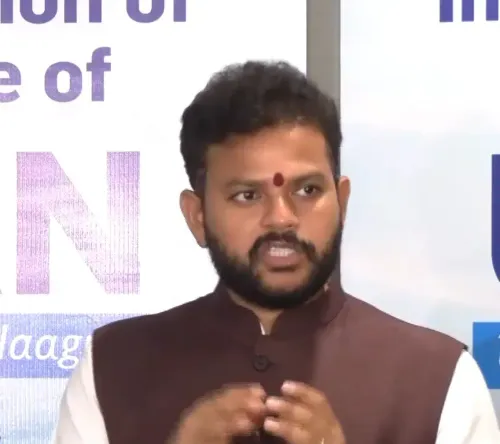
Naidu underscored the workforce imperative: 'Indian airlines have placed aircraft orders on a scale unprecedented anywhere in the world. But aircraft orders are only one part of the story; these aircraft will need a skilled and safety-conscious workforce to fly them. We do not want to import the workforce to operate India's aviation growth. We want to train that workforce right here in India.'
IGRUA Turns Surplus After Two Decades of Deficits
The committee also reviewed the transformation of the Indira Gandhi Rashtriya Uran Akademi (IGRUA). The institution now averages 1,765 flying hours per aircraft annually — exceeding the global benchmark of approximately 1,500 hours. Notably, IGRUA has recorded a budget surplus for the first time in over two decades, reversing a long streak of recurring deficits.
Drones, eVTOLs, and the Broader Aviation Agenda
Beyond connectivity, the minister highlighted India's push into next-generation aviation. The country is, according to Naidu, 'leading the next wave of aviation innovation through drones and eVTOLs,' alongside ongoing reforms in MRO (Maintenance, Repair and Overhaul) and Air Cargo sectors. This positions the UDAN expansion not merely as a regional connectivity exercise but as a broader industrial and innovation strategy.
Who Was in the Room
The Mysuru meeting was attended by Members of Parliament including Gopal Jee Thakur, Anup Sanjay Dhotre, Sayani Ghosh, Kamakhya Prasad Tasa, M. Dhanapal, Ramrao Sakharam Wadkute, and Mysuru MP Yaduveer Chamaraja Wadiyar. Senior officials present included Samir Kumar Sinha, Secretary of the Ministry of Civil Aviation; Vir Vikram Yadav, Director General of the DGCA; Vipin Kumar, Chairman of the Airports Authority of India; and Rajesh Nirwan, Director General of BCAS. The minister assured that members' suggestions would be incorporated into the sector's forward planning.
Point of View
840 crore figure is striking precisely because it nearly triples what the Centre spent on aviation development over the entire previous decade — yet the harder challenge is execution, not outlay. UDAN's earlier phases delivered mixed results on route sustainability, with several regional routes becoming unviable once VGF support lapsed. The FTO expansion and IGRUA's surplus are genuine structural wins, but the domestic pilot-training pipeline will be tested by the sheer scale of aircraft orders Indian carriers have placed. Whether this investment translates into durable regional connectivity or another round of headline numbers depends on whether the viability gap model is redesigned for the long term.
NationPress
21 Aug 2026
Frequently Asked Questions
What is the UDAN scheme and what does the new ₹28,840 crore allocation mean?
UDAN (Ude Desh ka Aam Naagrik) is India's regional air connectivity scheme, designed to make flying affordable and accessible beyond major cities. The ₹28,840 crore allocation for its next phase nearly triples the ₹10,000 crore invested in airport development and Viability Gap Funding over the previous decade, signalling a major scale-up in ambition.
Why did the Civil Aviation Ministry meet in Mysuru?
The Parliamentary Consultative Committee of the Ministry of Civil Aviation, chaired by Minister Kinjarapu Ram Mohan Naidu, convened in Mysuru, Karnataka on 21 August to discuss the next phase of UDAN, FTO ecosystem reforms, and the transformation of IGRUA. The meeting included MPs and senior aviation officials.
What reforms are being made to pilot training in India?
The Flying Training Organisation ecosystem has expanded from 32 FTOs in 2020 to 41 in 2026, with flying bases growing from 32 to 63. A new FTO ranking framework has been introduced for transparent accountability. The government has stated it intends to train India's aviation workforce domestically rather than rely on foreign-trained pilots.
What is IGRUA and why is its budget surplus significant?
The Indira Gandhi Rashtriya Uran Akademi (IGRUA) is India's premier civil aviation training institution. Its budget surplus — achieved for the first time in over two decades — marks a turnaround from chronic deficits. The academy now averages 1,765 flying hours per aircraft annually, exceeding the global benchmark of around 1,500 hours.
How does the UDAN expansion connect to India's broader aviation growth?
Beyond regional connectivity, the next phase of UDAN is positioned alongside India's push into drones, eVTOLs, MRO, and Air Cargo reforms. Indian airlines have placed aircraft orders described by the minister as unprecedented globally, making the domestic pilot training and regional infrastructure push critical to sustaining that growth.