India signs DPI MoUs with 24 countries to export digital public infrastructure
Synopsis
India has formalised DPI-sharing agreements with 24 countries, moving from domestic digital success to active global export — with DigiLocker already being deployed in Kenya and Cuba. The scale of these MoUs, anchored by G20 momentum, positions India as a serious alternative digital infrastructure partner for the Global South.
Key Takeaways
India has signed MoUs with 24 countries to share population-scale digital solutions, Parliament was informed on 29 July .
Union MoS IT Jitin Prasada disclosed that an Implementation Framework Agreement and NDA have been concluded with Kenya for DigiLocker deployment.
A foundational DigiLocker solution is under development in Cuba .
Bilateral consultations are underway with Lao PDR, Seychelles, Venezuela, Armenia, Fiji, Guyana, and Colombia for solutions including e-Sanjeevani , e-Office , and e-Hospital .
DPI was a key priority of India's G20 Presidency in 2023 , providing the diplomatic platform for these agreements.
Study visits from delegations of Kenya, Rwanda, Nepal, Indonesia, and South Africa have been facilitated in recent months.
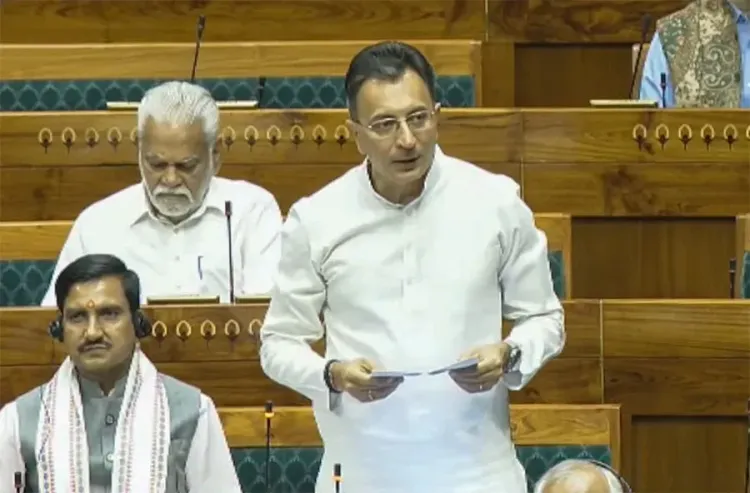
India has signed memorandums of understanding (MoUs) with 24 countries to share population-scale digital solutions, as the government deepens its push to accelerate global digital transformation through its homegrown Digital Public Infrastructure (DPI) stack. The development was disclosed to Lok Sabha on Wednesday, 29 July, by Union Minister of State for Electronics and Information Technology Jitin Prasada.
What the Agreements Cover
The MoUs establish a structured framework for cooperation across multiple dimensions: capacity building, knowledge and best-practice exchange, joint workshops, expert consultations, feasibility and e-readiness assessments, and the development, piloting, and scaling of proven digital solutions. Together, they represent India's most expansive formal effort to internationalise its digital governance model.
The agreements build on a decade of domestic platform development — spanning open, interoperable, and inclusive digital infrastructure — that has reshaped public service delivery, financial inclusion, and citizen-facing innovation inside India. The government's focus has now shifted toward constructing what officials describe as a 'globally connected, trusted and inclusive digital ecosystem.'
Progress with the Global South
'Significant progress has been achieved with countries of the Global South, including the conclusion of an Implementation Framework Agreement (IFA) and a Non-Disclosure Agreement (NDA) with Kenya for implementation of DigiLocker,' Prasada said. He added that development of a foundational DigiLocker solution in Cuba has commenced.
Bilateral consultations have progressed with partner countries including Lao PDR, Seychelles, Venezuela, Armenia, Fiji, Guyana, and Colombia for the potential adoption of key Indian digital solutions such as e-Sanjeevani, e-Office, and e-Hospital.
India Stack and Study Visits
Government-supported technical workshops and virtual consultations have showcased India Stack and other population-scale solutions to partner nations, while detailed feasibility discussions assessed their digital readiness. The government regularly facilitates study visits for foreign delegations, enabling them to engage directly with key institutions including the Unique Identification Authority of India (UIDAI), National e-Governance Division (NeGD), National Payments Corporation of India (NPCI), and National Informatics Centre (NIC).
Recent study visits have included delegations from Kenya, Rwanda, Nepal, Indonesia, and South Africa, the minister noted.
G20 Presidency and DPI's Global Moment
DPI was one of the key priority areas of the Digital Economy Working Group (DEWG) meetings during India's G20 Presidency in 2023. That platform gave India significant diplomatic leverage to position its digital stack — built at population scale and low cost — as a replicable model for emerging economies. This comes amid growing global competition to set standards for digital identity, payments, and health infrastructure, with India now presenting itself as an alternative to Western and Chinese technology frameworks.
What Comes Next
With IFA and NDA frameworks already concluded with Kenya and DigiLocker deployment underway in Cuba, the pipeline of active implementations is beginning to move from agreements to execution. How quickly partner countries can absorb and adapt India's solutions — given varying levels of digital readiness — will determine whether these MoUs translate into lasting infrastructure or remain framework documents.
Point of View
But the harder question is how many will move from framework to functioning infrastructure. The Kenya IFA and Cuba DigiLocker deployment are genuine milestones — but they also underscore how slow the pipeline is: years of G20 diplomacy and workshops have so far yielded live implementation in just two countries. India's DPI genuinely works at scale domestically, and that is a credible export proposition. The risk is that the government conflates signed agreements with delivered outcomes, as has happened with trade and investment MoUs in the past. The true test of India's digital diplomacy will be the number of citizens in partner countries actively using India-built infrastructure by 2027 — not the number of documents signed.
NationPress
28 Oct 2026
Frequently Asked Questions
Which countries has India signed DPI MoUs with?
India has signed MoUs with 24 countries, though the government has not publicly released the full list of all signatories. Confirmed partners with active progress include Kenya, Cuba, Lao PDR, Seychelles, Venezuela, Armenia, Fiji, Guyana, and Colombia.
What is Digital Public Infrastructure (DPI) and what does India export under it?
DPI refers to open, interoperable digital platforms built at population scale for public service delivery. India's exportable solutions include DigiLocker (digital document storage), e-Sanjeevani (telemedicine), e-Office (government workflow), e-Hospital, and the broader India Stack covering digital identity and payments.
What progress has been made with Kenya and Cuba?
India has concluded an Implementation Framework Agreement and a Non-Disclosure Agreement with Kenya for DigiLocker deployment. Separately, development of a foundational DigiLocker solution in Cuba has commenced, making these two of the most advanced bilateral engagements under the programme.
How does India's G20 Presidency connect to these DPI agreements?
DPI was designated a key priority area of the Digital Economy Working Group during India's G20 Presidency in 2023. That platform enabled India to formally showcase India Stack and build diplomatic momentum for the MoUs that have since been signed with 24 countries.
Which Indian institutions do partner-country delegations interact with during study visits?
Foreign delegations engage with the Unique Identification Authority of India (UIDAI), National e-Governance Division (NeGD), National Payments Corporation of India (NPCI), and National Informatics Centre (NIC), among others, to understand implementation challenges and draw on India's DPI experience.