India's spices, oilseeds boom drives demand for organised commodity markets
Synopsis
India's spice output nearly doubled in nine years and oilseed production is on track to cross 56 MMT by 2029-30 — yet only 9 per cent of 117 classified agricultural commodities have active derivative contracts. The MCX report makes the case that India's crop revolution is moving faster than its market infrastructure, and the gap is costing farmers.
Key Takeaways
India's spice production rose 85.9 per cent to 12.99 MMT between 2015-16 and 2024-25, per the MCX report.
Spice output is projected to reach 18.12 MMT by 2029-30 at a CAGR of 6.87 per cent .
Oilseed production grew 70.2 per cent to 42.99 MMT in 2024-25; forecast to hit 56.7 MMT by 2029-30.
Groundnut, rapeseed-mustard, and soybean together represent 95 per cent of the oilseed sector's ₹2,135.3 billion economic output in 2023-24.
Only about 9 per cent of 117 classified agricultural commodities have active exchange-traded derivative contracts.
The MCX report calls for expanding commodity coverage, digital warehousing, and broader institutional participation to deepen the derivatives market.
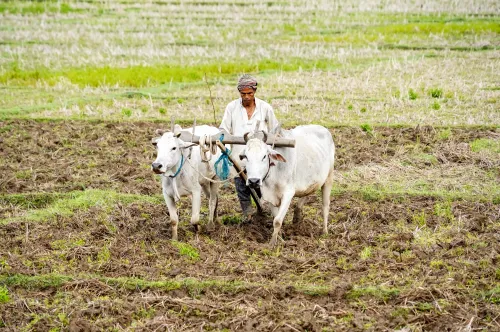
India's accelerating shift toward higher-value crops — particularly spices and oilseeds — is generating rising demand for organised price discovery and risk management tools, according to a report released on Friday, 14 August 2025 by the Multi Commodity Exchange of India Limited (MCX). The findings highlight a structural transformation in Indian agriculture that is outpacing the country's commodity derivatives infrastructure.
Spices Lead the Surge
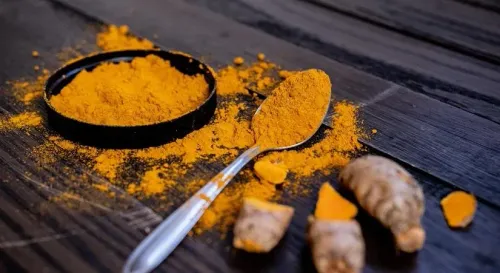
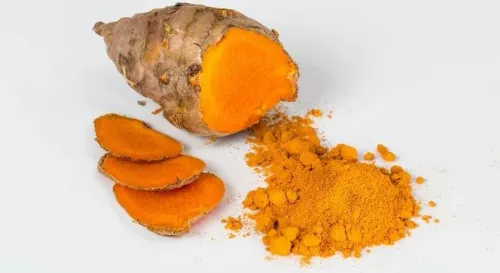
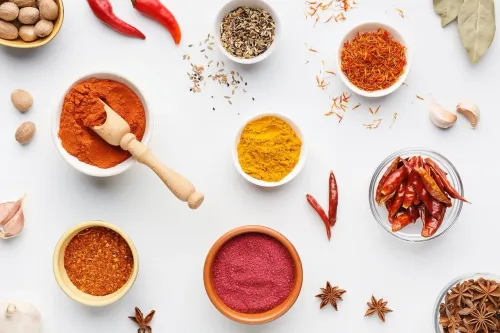
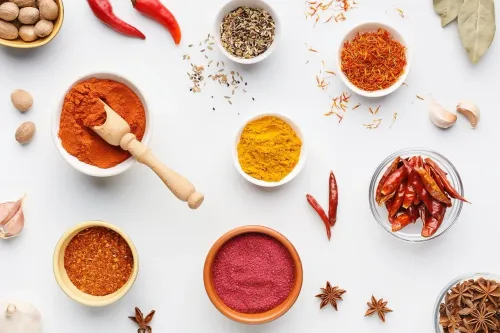
Among all crop categories analysed, spices recorded the sharpest production growth. Output climbed from 6.99 million metric tonnes (MMT) in 2015-16 to 12.99 MMT in 2024-25 — a jump of 85.9 per cent over nine years. The MCX report projects spice production to reach 18.12 MMT by 2029-30, implying a forecast compound annual growth rate (CAGR) of 6.87 per cent.
Gains were broad-based across individual spices. Ajwain production more than tripled during the period, while ginger, cumin, and garlic posted CAGRs of 9.12 per cent, 8.75 per cent, and 8.23 per cent respectively — reflecting sustained farmer interest in premium-value produce.
Oilseeds: The Second-Fastest Growing Segment
Oilseed production expanded from 25.25 MMT in 2015-16 to 42.99 MMT in 2024-25, recording cumulative growth of 70.2 per cent. The segment grew at a CAGR of 5.46 per cent, the second-highest rate among the eight crop segments the MCX report analysed. Production is projected to reach approximately 56.7 MMT by 2029-30.
Within oilseeds, rapeseed and mustard led with an 86.4 per cent production rise to 12.67 MMT. Soybean and groundnut rose 78.2 per cent and 77.4 per cent respectively. Together, groundnut, rapeseed and mustard, and soybean accounted for 95 per cent of the oilseed sector's ₹2,135.3 billion economic output in 2023-24.
The Derivatives Gap
The MCX report notes that while high-value commodities are reshaping Indian agriculture, the derivatives market has not kept pace. Of the 117 major agricultural commodities classified by the Ministry of Agriculture, only about 9 per cent currently have active exchange-traded derivative contracts. The report describes a well-functioning agricultural derivatives market as an 'essential component of agricultural market infrastructure.'
This gap matters because as production, consumption, and trade in spices and oilseeds expand, farmers and traders are increasingly exposed to price volatility without adequate hedging tools. The report argues that organised price discovery can help stabilise farm incomes and improve supply chain planning.
What Reforms Could Deepen the Market
The MCX report identifies several levers to strengthen the agricultural derivatives ecosystem. These include expanding commodity coverage, scaling digital warehousing, upgrading physical market infrastructure, and encouraging greater institutional participation. Regulatory reforms such as reclassifying commodities, raising client-level position limits, phasing in physical settlement, and broadening access for financial institutions could improve liquidity and hedging efficiency, according to the report.
Consistent regulatory support was flagged as a critical enabler — a pointed reference to past policy volatility that has at times disrupted commodity derivative markets in India. As the crop mix continues to shift toward higher-value produce, the pressure on policymakers to modernise the derivatives framework is likely to intensify.
Point of View
At one level, a market pitch — but the underlying data point to a genuine structural lag. India's spice and oilseed sectors have nearly doubled output in under a decade, yet the derivatives ecosystem covers barely one in ten classified commodities. That mismatch leaves farmers bearing price risk that organised markets could absorb. Past regulatory interventions — including abrupt suspension of futures contracts in sensitive commodities — have eroded institutional confidence and chilled participation. Without a credible, stable policy signal that exchange-traded derivatives will not be switched off at the first sign of retail inflation, the reforms the MCX recommends will struggle to attract the financial institution participation they require.
NationPress
14 Aug 2026
Frequently Asked Questions
What does the MCX report say about India's spice production?
The MCX report says India's spice production rose 85.9 per cent from 6.99 MMT in 2015-16 to 12.99 MMT in 2024-25, and is projected to reach 18.12 MMT by 2029-30 at a CAGR of 6.87 per cent. Ajwain production more than tripled, while ginger, cumin, and garlic all posted strong growth.
How much has India's oilseed production grown?
India's oilseed production grew 70.2 per cent to 42.99 MMT in 2024-25, from 25.25 MMT in 2015-16, making it the second-fastest growing segment in the report. Production is projected to reach around 56.7 MMT by 2029-30.
Why is organised price discovery important for Indian farmers?
As production of high-value crops like spices and oilseeds expands, farmers and traders face greater exposure to price volatility. Organised exchange-traded derivatives provide hedging tools that can stabilise incomes and improve supply chain planning, according to the MCX report.
How many agricultural commodities in India have active derivative contracts?
Only about 9 per cent of the 117 major agricultural commodities classified by the Ministry of Agriculture currently have active exchange-traded derivative contracts, according to the MCX report — a gap it says needs to be addressed.
What reforms does the MCX report recommend for India's commodity markets?
The report recommends expanding commodity coverage, scaling digital warehousing, improving physical market infrastructure, raising client-level position limits, phasing in physical settlement, and broadening participation by financial institutions to improve liquidity and hedging efficiency.