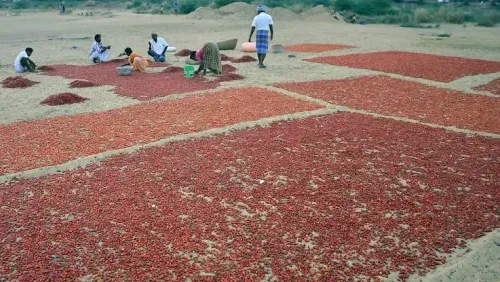
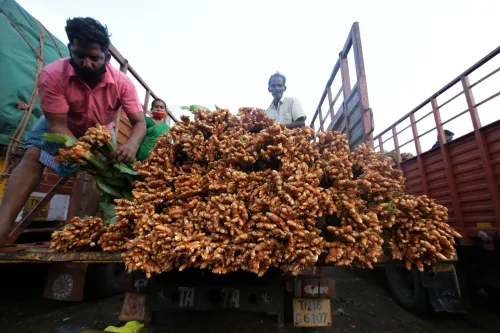
Turmeric prices near ₹20,000 per quintal in Erode as drought fears crimp supply

Synopsis
Turmeric prices in Erode have surged nearly ₹6,000 in a month, touching ₹19,779 per quintal, as the harvest season ends and drought fears discourage new cultivation. With fresh arrivals locked out until February 2027 and wholesalers stocking aggressively, the 2024 peak of ₹21,000 is back in sight — but farmers who sold early are watching the rally from the sidelines.
Key Takeaways
Turmeric's finger variety hit ₹19,779 per quintal in Erode on 21 July , up from ₹14,000 in April.
The bulb variety rose from ₹14,000 in April to ₹17,632 by Monday.
Fresh arrivals from Erode , Andhra Pradesh , Telangana , and Maharashtra have effectively ended; next harvest expected only in February 2027 .
Wholesalers are pre-emptively stocking up, amplifying demand pressure.
El Niño concerns and inadequate irrigation are discouraging farmers from expanding cultivation.
Prices previously crossed ₹21,000 per quintal during the 2024 rally; traders warn a repeat is possible.
Turmeric prices at Erode, Tamil Nadu's largest spice trading hub, have surged close to ₹20,000 per quintal as of 21 July, driven by sharply reduced arrivals, aggressive wholesale stocking, and mounting anxiety over drought conditions threatening the next cultivation season. The rally marks a near ₹6,000 jump from levels recorded just a month earlier.
How Fast Prices Have Climbed
The finger variety of turmeric — the benchmark grade in Erode — touched ₹19,779 per quintal on Monday, up from ₹15,199 on 19 June and roughly ₹14,000 in late April. The bulb variety has mirrored the move, rising from ₹14,000 in April to ₹17,632 by Monday. Notably, prices had previously breached the ₹21,000-per-quintal mark during the 2024 rally, and traders warn a repeat is possible if rains fail.
Why Supply Has Tightened
The marketing season for freshly harvested turmeric typically runs from February to June, meaning fresh arrivals from major producing belts — including Erode, Andhra Pradesh, Telangana, and Maharashtra — have effectively dried up. The next significant arrivals are not expected until February 2027. Drought conditions across several growing regions have simultaneously raised doubts about how much acreage farmers will bring under cultivation in the coming season.
M. Sathyamurthy, secretary of the Erode Turmeric Merchants and Godown Owners' Association, said traders are anticipating lower cultivation next season due to inadequate water availability. Expecting a supply shortfall, many wholesalers have already begun building stocks, pushing demand higher even as arrivals remain limited.
Farmers Largely Miss the Rally
Despite the sharp price rise, farmers say the gains have largely bypassed them. Manirajan, a turmeric grower from the lower Bhavani area, noted that most cultivators had already sold their produce before prices climbed to current levels, leaving little opportunity to benefit from the surge.
K.R. Sudandhirarasu, president of the Tamil Nadu Small and Micro Farmer Association, warned that concerns over El Niño and inadequate irrigation continue to discourage new cultivation. While prices are attractive on paper, he said many farmers simply lack the water needed to raise the crop — meaning the largest gains are likely to accrue to traders holding large stocks rather than growers.
What Happens Next
According to Sathyamurthy, the price trajectory over the coming months will hinge almost entirely on rainfall. Adequate monsoon rains could stabilise the market; a prolonged dry spell could further curtail cultivation and push prices beyond the ₹21,000 threshold seen in 2024. With the next harvest window still several months away, the market remains acutely sensitive to any shift in weather forecasts.
Point of View
Drought threatening the next crop, and wholesalers front-running the shortage. But the structural problem is more troubling: small farmers, who lack storage capacity, sold before the surge and will not benefit. If El Niño reduces acreage further, the gains will flow almost entirely to traders with deep pockets. That asymmetry — where price spikes punish consumers and bypass farmers while rewarding intermediaries — is a recurring failure in India's spice supply chain that neither MSP frameworks nor warehouse receipt financing have yet resolved.
NationPress
20 Oct 2026
Frequently Asked Questions
Why are turmeric prices rising in Erode?
Turmeric prices in Erode have surged because the marketing season for fresh arrivals has ended and drought conditions are raising fears of reduced cultivation next season. Wholesalers stocking up in anticipation of a supply shortfall have added further upward pressure.
What is the current turmeric price in Erode?
As of 21 July, the finger variety of turmeric was trading at ₹19,779 per quintal in Erode, while the bulb variety stood at ₹17,632 per quintal. Both grades have risen sharply from around ₹14,000 in April.
When will fresh turmeric arrive in the market?
Fresh turmeric arrivals from major producing regions — including Erode, Andhra Pradesh, Telangana, and Maharashtra — are not expected until February 2027, as the current marketing season ended in June.
How does El Niño affect turmeric cultivation?
El Niño typically disrupts monsoon patterns, reducing rainfall in key turmeric-growing regions. Inadequate water availability discourages farmers from bringing new acreage under cultivation, which can tighten future supply and sustain high prices.
Are turmeric farmers benefiting from the price rise?
Largely not. Most small farmers sold their produce before prices climbed to current levels and lack the storage capacity to hold back stock. Traders holding large inventories are expected to capture the majority of gains from the current rally.