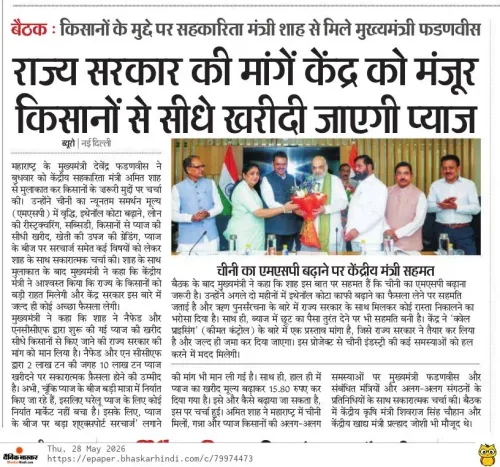
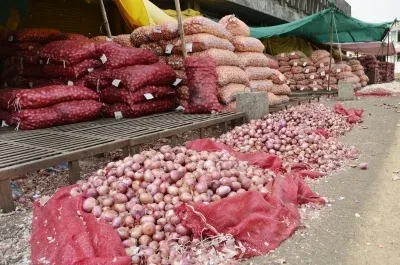
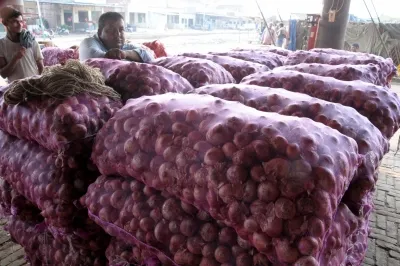
Centre hikes onion procurement price 13% to ₹2,125 per quintal
Synopsis
The Centre has raised onion procurement prices by 13% to ₹2,125 per quintal effective 4 July 2025 — a direct intervention to protect farmer incomes ahead of a lean season complicated by monsoon delays in Maharashtra and Karnataka and rising export competition from Pakistan and China.
Key Takeaways
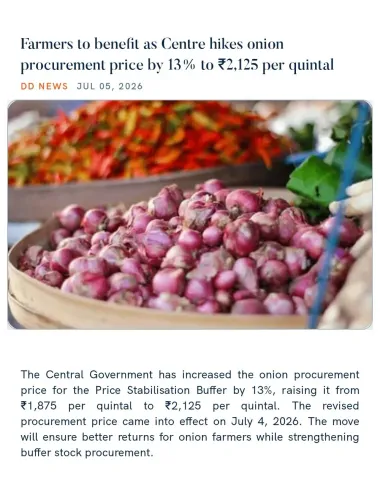
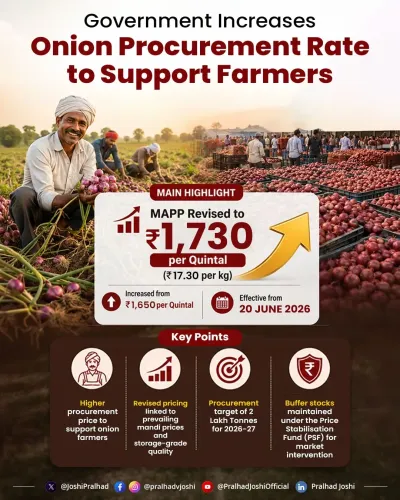
The Centre raised the onion procurement price by 13% to ₹2,125 per quintal from ₹1,875 per quintal , effective 4 July 2025 .
Procurement through NAFED and NCCF for the Price Stabilisation Buffer is ongoing.
All-India mandi arrivals exceed 50,000 MT daily; average retail price stands at ₹31 per kg .
Onion production for 2025-26 is estimated at 307.37 LMT , nearly unchanged from 2024-25.
Nashik reports a 15-day Kharif sowing delay ; Karnataka's Chitradurga-Challakere belt is at 60% of normal sowing.
Export volumes for June stood at 1.50 LMT , but traders expect a short-term slowdown due to competition from Pakistan and China.
The Centre on Saturday, 4 July 2025 raised the procurement price of onions by 13 per cent to ₹2,125 per quintal from ₹1,875 per quintal, effective immediately, aiming to deliver better returns to onion farmers and bolster the government's Price Stabilisation Buffer. The Consumer Affairs Ministry confirmed that procurement through NAFED and NCCF is already under way.
Key Developments
The revised price is intended to incentivise farmer participation in buffer procurement while keeping supply pipelines intact ahead of the lean season. According to the ministry, current stock levels in Maharashtra, Madhya Pradesh, and Gujarat are adequate, with no indications of any shortage of stored onions.
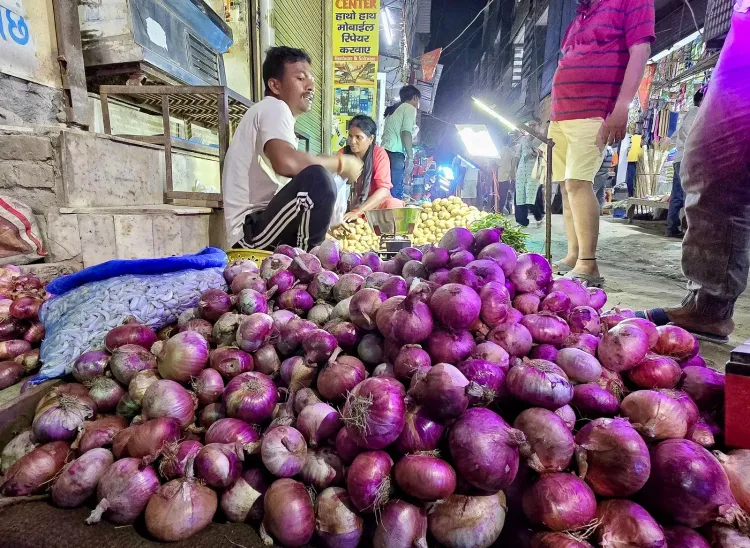
Daily mandi arrivals at the all-India level remain robust at over 50,000 metric tonnes (MT), while arrivals in Maharashtra alone exceed 30,000 MT. The average modal price at mandis stands at approximately ₹18 per kg, while the all-India average retail price is ₹31 per kg.
Production and Supply Outlook
Onion production for 2025-26 is estimated at 307.37 lakh metric tonnes (LMT) according to the second advance estimates of the Department of Agriculture and Farmers' Welfare — nearly flat compared to 307.67 LMT in 2024-25. The ministry stated that overall availability is not a concern at this stage, though prices may edge up in line with normal seasonal patterns.
Better-quality stored stocks are expected to be released during the lean period, providing a cushion against any sharp retail price spikes.
Export Pressures and Sowing Delays
Onion exports remained normal in June, with approximately 1.50 LMT shipped overseas. However, traders expect export momentum to slow temporarily, as fresh crops from Pakistan and China are offering competitive rates in key markets such as the Gulf countries, Sri Lanka, and the Far East.
On the production side, the Nashik region of Maharashtra has reported a roughly 15-day delay in Kharif sowing. In the Chitradurga and Challakere belt of Karnataka, sowing progress is estimated at around 60 per cent of normal. The ministry attributed the delays to a delayed monsoon onset and below-normal rainfall in certain regions.
Speculative Buying and Price Risks
The ministry noted that the sowing delays have prompted speculative buying by a section of traders, though it stressed there is no significant demand pressure at prevailing price levels in major consuming centres. The government's buffer stock mechanism is designed precisely to counter such speculative moves during periods of weather-induced uncertainty.
With the lean season approaching and monsoon progress still uneven, the Centre's price and procurement interventions will be closely watched by both farmers and consumers over the coming weeks.
Point of View
Not a crisis response — and that distinction matters. With production virtually flat year-on-year and mandi arrivals healthy, the government is essentially paying a premium now to ensure buffer stocks are filled before the lean season, when retail prices historically spike. The real risk is the sowing delay in Nashik and Karnataka: if the Kharif crop underperforms, today's comfortable supply picture could tighten quickly. The export slowdown adds a wrinkle — lower export demand usually softens domestic prices, which could blunt the intended benefit to farmers even as the procurement price rises. Whether NAFED and NCCF can absorb sufficient volumes at the new price before private traders undercut them will determine whether this intervention actually reaches the farm gate.
NationPress
3 Oct 2026
Frequently Asked Questions
Why has the Centre increased the onion procurement price?
The Centre raised the procurement price by 13% to ₹2,125 per quintal to deliver better returns to onion farmers and strengthen the government's Price Stabilisation Buffer ahead of the lean season. The Consumer Affairs Ministry confirmed the hike is effective from 4 July 2025.
What is the current retail price of onions in India?
The all-India average retail price of onions is ₹31 per kg as of early July 2025, while the average modal price at mandis is approximately ₹18 per kg. Daily mandi arrivals remain robust at over 50,000 metric tonnes nationally.
Which agencies are procuring onions for the government buffer?
NAFED (National Agricultural Cooperative Marketing Federation) and NCCF (National Cooperative Exports Limited) are conducting procurement on behalf of the government for the Price Stabilisation Buffer. Procurement was already in progress as of 4 July 2025.
How is the onion sowing season progressing?
The Nashik region of Maharashtra has reported roughly a 15-day delay in Kharif onion sowing due to a delayed monsoon and below-normal rainfall. In Karnataka's Chitradurga-Challakere belt, sowing is at approximately 60% of normal levels.
Will onion exports be affected?
Exports were normal in June at about 1.50 LMT, but traders expect a short-term slowdown as fresh crops from Pakistan and China are available at competitive rates in key markets including the Gulf countries, Sri Lanka, and the Far East.