Could India Strengthen Its BRICS Connections Amid Trump's Unpredictable Policies?
Synopsis
As tensions rise between India and the US due to Trump's unpredictable policies, the potential for India to strengthen its ties with BRICS and Russia is increasing. This shift could reshape the geopolitical landscape, emphasizing India's strategic autonomy and diversification efforts.
Key Takeaways
India's relationship with the US is increasingly strained.
Strengthening ties with BRICS and Russia may become a priority.
Economic policies by the US could lead to India's strategic diversification.
Labor-intensive sectors in India are facing challenges due to tariffs.
India may treat the US as one of many partners moving forward.
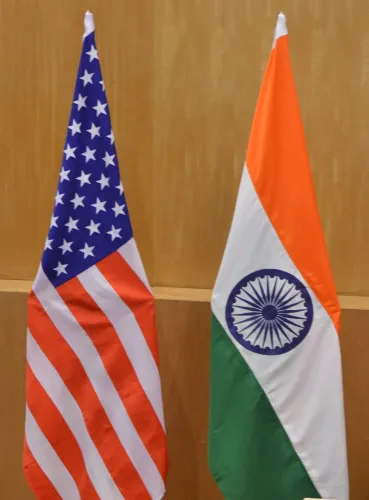
New Delhi, Dec 12 (NationPress) - The second term of US President Donald Trump has disrupted the two-decade-long relationship with India, potentially driving India to forge stronger ties with Russia and utilize BRICS more assertively, according to a report.
The analysis from One World Outlook cautioned that the situation may not result in a complete breakup but rather a strategic hedging by India, which could manifest as postponed defense agreements, sluggish technological collaboration, and a deliberate hesitation to take risks on behalf of Washington.
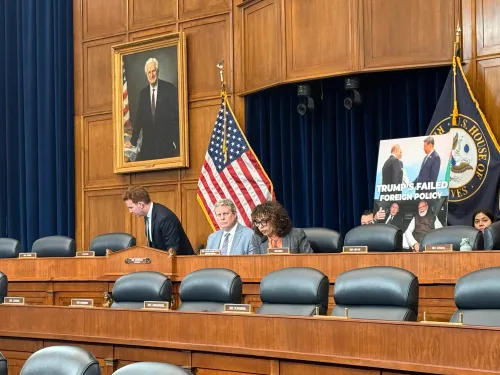
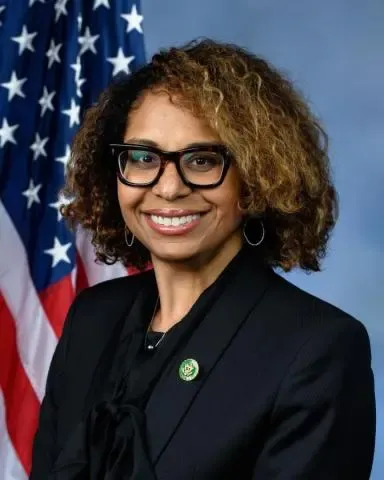
A significant discussion is unfolding in Washington, with Democratic Congresswoman Sydney Kamlager-Dove cautioning that President Trump’s tariff policies are causing “long-term damage” to one of America's essential alliances.
Kamlager-Dove criticized Trump for undermining the progress made by the Biden administration in revitalizing the Quad, a defense technology initiative, and enhancing supply chain partnerships, stating that the President has effectively flushed that progress 'down the toilet', as reported.
Experts from think tanks noted that years of gradual progress are being reversed into a cycle of grievances and political linkages.
India is intensifying its diversification efforts, expanding BRICS and Global South initiatives, indicating an interest in alternative payment systems, and promoting itself robustly to investors from Europe, Japan, and the Middle East as a manufacturing center, the report highlighted.
If Washington continues to frame economic relations in a punitive manner rather than as mutually beneficial, India seems ready to regard the US as just one of several partners instead of the preferred one, the report warned.
In addition to the recently imposed tariffs, analysts pointed out the possibility of secondary sanctions related to India's defense and energy partnerships with Russia. “From Delhi’s viewpoint, these threats accumulate to a fundamental mistrust of India’s strategic autonomy, even while Washington expects India to act as a frontline ally in the Indo-Pacific,” the report indicated.
The strain in relations followed the US imposing an extra 25 percent tariff on Indian imports, elevating duties on select goods to approximately 50 percent and adversely affecting labor-intensive industries like textiles, footwear, and jewelry.
Point of View
It's crucial to recognize that India finds itself at a crossroads, navigating complex international relationships while striving for strategic autonomy. The potential deepening of ties with BRICS reflects a broader trend of diversification in India's foreign policy, ensuring that it remains resilient amidst changing global dynamics.
NationPress
19 Sept 2026
Frequently Asked Questions
How are Trump's policies affecting India's foreign relations?
Trump's policies have strained India's relationship with the US, prompting India to consider strengthening ties with BRICS and Russia.
What are the implications of India diversifying its partnerships?
Diversifying partnerships can enhance India's strategic autonomy, allowing it to engage with multiple global players without over-reliance on the US.
What sectors in India are impacted by the US tariffs?
Labor-intensive sectors such as textiles, footwear, and jewelry are significantly affected by the increased tariffs imposed by the US.