IndiGo hikes fuel surcharge on domestic and international flights from Oct 6
Synopsis
IndiGo's fuel surcharge revision — effective 6 October 2026 — lays bare a deepening cost crisis for Indian aviation: ATF prices are at decade highs after a 14% month-on-month spike, and the airline's own statement concedes that a full cost pass-through would have required an even steeper hike. With ATF outside the GST net, structural relief for carriers remains elusive.
Key Takeaways
IndiGo announced revised fuel surcharges effective for all new bookings from 6 October 2026 .
ATF prices have risen over 14 per cent month-on-month, reaching levels among the highest in the past decade .
Domestic surcharges range from ₹375 (up to 500 km) to ₹1,300 (routes over 2,000 km).
International surcharges range from ₹1,000 (SAARC, short-haul) to ₹6,000 (Africa and Europe).
IndiGo described the increase as a 'measured and relatively modest adjustment' , noting a full offset would have required a significantly larger hike.
ATF is excluded from GST , limiting airlines' ability to claim input tax credits and amplifying cost pressure sector-wide.
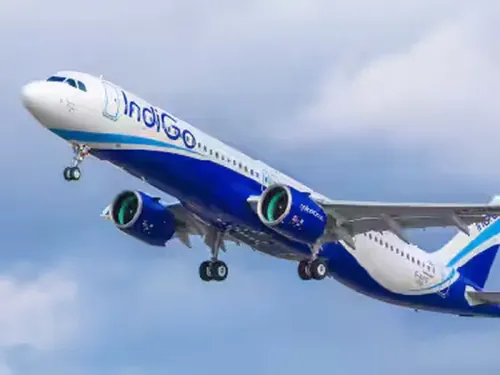
IndiGo, India's largest airline by market share, on Monday, 6 October 2026, announced a revised fuel surcharge structure for both domestic and international flights, effective for all new bookings from 6 October 2026. The airline cited a sharp and sustained rise in aviation turbine fuel (ATF) prices — with the latest month-on-month increase exceeding 14 per cent — that has pushed operating costs to among the highest levels recorded in the past decade.
What the New Surcharges Look Like
On domestic routes, the revised fuel surcharge is structured by distance. Passengers flying up to 500 km will now pay ₹375, while those on routes between 501 km and 1,000 km will be charged ₹600. Flights covering 1,001 km to 1,500 km will attract a surcharge of ₹900, routes between 1,501 km and 2,000 km will carry a charge of ₹1,150, and any domestic flight exceeding 2,000 km will incur a surcharge of ₹1,300.
For international travellers, flights within the SAARC region will be charged ₹1,000 for distances up to 500 km and ₹3,000 for routes beyond that range. Passengers bound for Southeast Asia, the Gulf Cooperation Council (GCC), the Middle East, and North and East Asia will pay a fuel surcharge of ₹5,500, while those flying to Africa and Europe will face a charge of ₹6,000.
Why ATF Prices Are Driving the Move
IndiGo stated that aviation turbine fuel constitutes a significant share of an airline's total operating expenditure, making any sharp price movement difficult to absorb without passing a portion of the burden to passengers. In a formal statement, the airline noted: 'The continuous rise in the fuel prices, with the latest month-on-month increase exceeding 14 per cent, has taken ATF costs to levels that are amongst the highest in the last decade. Given that Aviation Turbine Fuel makes up a significant share of airline's operating costs, this rise is expected to impact airlines' cost structures and network economics, including those of IndiGo.'
Global crude oil prices have remained persistently volatile, with ongoing geopolitical tensions keeping supply outlooks uncertain. ATF in India is derived primarily from crude and is not covered under the Goods and Services Tax (GST), limiting airlines' ability to offset input costs through input tax credits — a structural disadvantage that amplifies every crude price spike.
IndiGo's Defence of the Adjustment
The airline described the surcharge revision as a 'measured and relatively modest adjustment', acknowledging that fully offsetting the fuel cost increase would have required a considerably steeper hike. 'While offsetting the increase in fuel costs would have required a significantly larger increase in the fuel charges, IndiGo has implemented a measured and relatively modest adjustment to minimise the impact on customers,' the airline said in its statement.
Broader Sector Impact
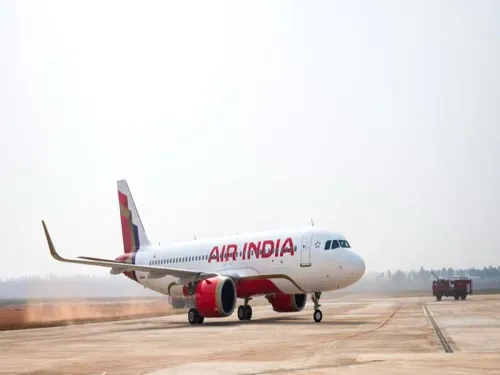
This comes amid a wider squeeze on Indian aviation profitability. ATF prices have risen steadily through recent months, and carriers across the industry — including Air India and Akasa Air — are navigating similar cost pressures. Notably, fuel surcharges are a common and legally permissible lever for airlines to manage fuel-cost volatility without revising base fares across their entire inventory. Whether rival carriers follow IndiGo's lead with comparable revisions will be closely watched in the days ahead.
The revised surcharges apply only to new bookings made from 6 October 2026 onwards; existing bookings are not affected, according to the airline's statement.
Point of View
Denying airlines the input-tax relief that most other industries enjoy. Every crude oil spike thus lands harder on Indian carriers than on peers in markets where jet fuel attracts a creditable tax. The airline's own admission that a full cost pass-through would have required a 'significantly larger' hike signals that margins are under real stress — and that passengers may not have seen the last of these adjustments. With the sector still rebuilding post-pandemic load factors and ancillary revenues, a sustained ATF squeeze could accelerate consolidation pressure on smaller carriers who lack IndiGo's scale to absorb shocks.
NationPress
5 Oct 2026
Frequently Asked Questions
What are IndiGo's new fuel surcharge rates for domestic flights?
IndiGo's revised domestic fuel surcharges, effective 6 October 2026, range from ₹375 for routes up to 500 km to ₹1,300 for flights exceeding 2,000 km, with four intermediate slabs based on distance. The charges apply only to new bookings made from that date onwards.
Why has IndiGo hiked its fuel surcharge in October 2026?
IndiGo attributed the hike to a sharp rise in aviation turbine fuel (ATF) prices, with the latest month-on-month increase exceeding 14 per cent and pushing ATF costs to among the highest levels in the past decade. Persistent geopolitical tensions and global crude oil volatility have kept fuel prices elevated.
How much will international passengers pay under IndiGo's new fuel surcharge?
International surcharges vary by destination: SAARC region flights are charged ₹1,000 (up to 500 km) or ₹3,000 (beyond 500 km); Southeast Asia, GCC, Middle East, and North and East Asia routes carry ₹5,500; and Africa and Europe routes attract ₹6,000.
Will existing IndiGo bookings be affected by the new fuel surcharge?
No. The revised fuel surcharges apply only to new bookings made from 6 October 2026. Tickets purchased before that date are not affected, according to IndiGo's statement.
Why do ATF price rises hit Indian airlines particularly hard?
Aviation turbine fuel in India is excluded from the Goods and Services Tax (GST), which means airlines cannot claim input tax credits to offset their fuel costs — a relief available to most other industries. This structural gap amplifies the financial impact of every crude oil price increase on Indian carriers.