South Korea industrial output flat in July as auto strike, retail sales dip
Synopsis
South Korea's July industrial data tells a split story: electronics boomed on Samsung smartphone demand, but a Hyundai Motor strike dragged auto output down 4.5%, leaving overall production flat. Retail sales fell 2.4% and services posted their worst monthly drop since February 2022 — yet facility investment surged 7.5%, its best showing since February.
Key Takeaways
South Korea's industrial output was unchanged month-on-month in July , following a 2.4 percent rebound in June.
Electronic components output surged 20.7 percent , driven by new Samsung Electronics smartphone releases.
Automobile output fell 4.5 percent , partly due to a strike at Hyundai Motor .
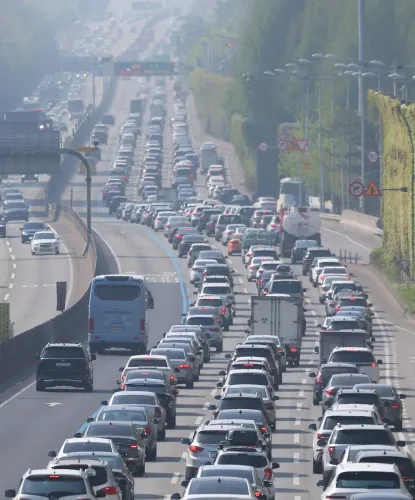
Service sector output contracted 1.3 percent — the sharpest drop since February 2022 — amid high consumer prices and a heat wave.
Retail sales declined 2.4 percent , with durable goods sliding 7.7 percent .
Facility investment jumped 7.5 percent , the largest monthly rise since February , led by transportation equipment up 15.4 percent .
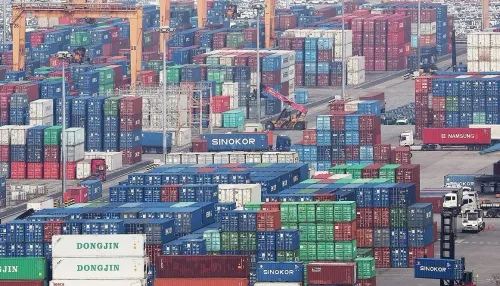
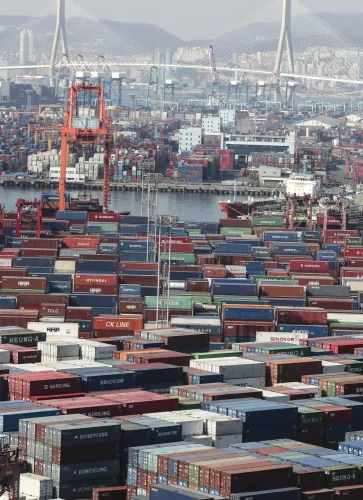
South Korea's industrial output held flat in July compared to the previous month, as a base effect and a labour strike at Hyundai Motor weighed on the automobile sector, according to data released on Monday, 31 August by the Ministry of Data and Statistics. Retail sales declined while facility investment posted its strongest monthly gain since February.
Industrial Output: Flat but Fragile
Overall industrial production was unchanged month-on-month in July, following a strong 2.4 percent rebound in June that had offset declines of 0.5 percent in April and 0.4 percent in May. The mining and manufacturing sector — a cornerstone of the South Korean economy — edged up 0.2 percent, driven by the electronic components segment, which surged 20.7 percent.
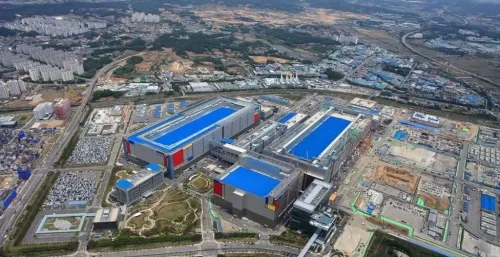
Semiconductor output also nudged up 0.5 percent. Lee Doo-won, a senior statistics official, attributed the electronics jump to new smartphone releases by Samsung Electronics. 'Production of electronic components rose significantly following the release of new smartphones by Samsung Electronics,' he said.
Automobile output, however, fell 4.5 percent. Lee noted the dual drag of a high base from the previous month and industrial action. 'The automobile industry apparently saw a decline due to a base effect from the previous month's increase, as well as a strike at Hyundai Motor,' he added.
Services Sector Posts Sharpest Fall Since 2022
Service sector output contracted 1.3 percent month-on-month in July — the steepest decline since a 1.7 percent drop recorded in February 2022. Officials attributed the fall to elevated consumer prices and an intense summer heat wave, both of which appear to have dampened activity. Within services, information and communication output rose 3.5 percent, while the finance and insurance segment fell 4.8 percent, reportedly due to lower stock market turnover.
Retail Sales Slide on High Prices
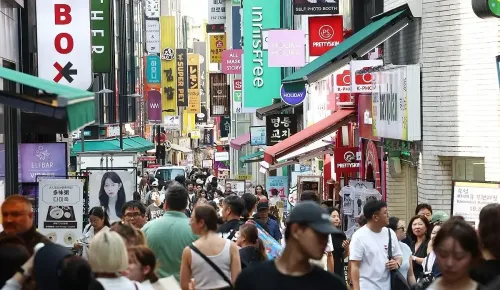
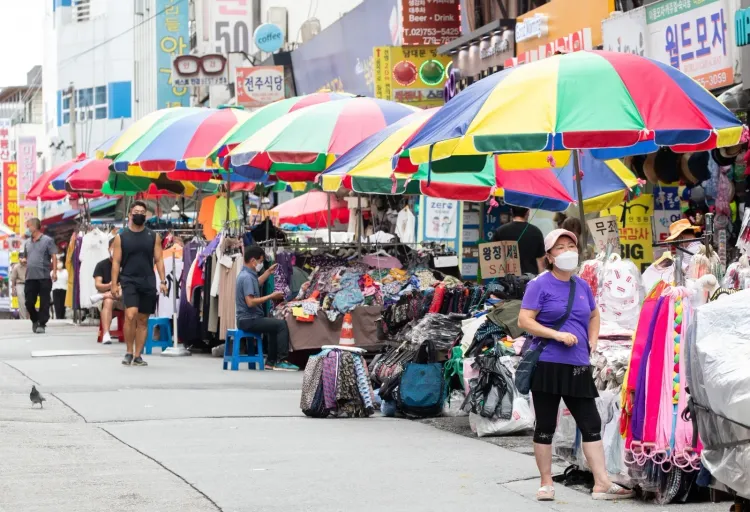
Retail sales — a closely watched indicator of private consumption — fell 2.4 percent in July. Durable goods, including cars, led the decline, sliding 7.7 percent amid sustained consumer price pressures. Semidurable goods such as clothing fell 1.4 percent, while nondurable goods including cosmetics slipped 0.1 percent. The breadth of the decline signals that household spending remains under pressure across categories.
Facility Investment Jumps 7.5 Percent
On a brighter note, facility investment surged 7.5 percent in July from the previous month — the largest monthly gain since the 15 percent jump posted in February. Investment in transportation equipment climbed 15.4 percent, led by ships and aircraft, while spending on machinery — including semiconductor production equipment — rose 4.2 percent.
Government Flags Export-Backed Manufacturing Resilience
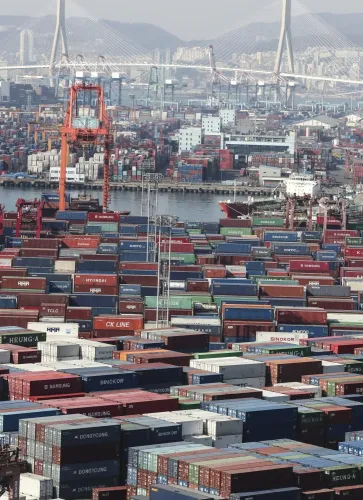
In a separate assessment, the Ministry of Finance and Economy highlighted that South Korea had recorded growth in mining and manufacturing output for two consecutive months, supported by robust export performance. The observation underscores a divergence between a resilient export-oriented industrial base and a softening domestic consumption picture — a tension that policymakers will need to navigate in the months ahead.
Point of View
But domestic consumption is buckling under inflation and cost-of-living pressure. The services sector's sharpest fall since February 2022 is not a seasonal blip — it reflects households pulling back across the board. Meanwhile, the facility investment surge, particularly in semiconductors and transportation, suggests corporates are betting on a global demand recovery that consumers at home are not yet feeling. If retail weakness persists into Q3, the gap between industrial optimism and household reality will become harder for policymakers to ignore.
NationPress
31 Aug 2026
Frequently Asked Questions
Why did South Korea's industrial output remain flat in July?
South Korea's industrial output was unchanged month-on-month in July due to a combination of a statistical base effect and a strike at Hyundai Motor, which caused automobile production to fall 4.5 percent. These headwinds offset a 20.7 percent surge in electronic components output driven by Samsung Electronics smartphone releases.
How did the Hyundai Motor strike affect South Korea's economy?
The strike at Hyundai Motor contributed to a 4.5 percent decline in automobile sector output in July. A senior statistics official noted the fall was due to both the base effect from the previous month's strong performance and the industrial action at the automaker.
Why did South Korea's retail sales fall in July?
Retail sales dropped 2.4 percent in July, primarily because of high consumer prices that weighed on spending across categories. Durable goods including cars fell the most at 7.7 percent, while semidurable goods declined 1.4 percent and nondurable goods slipped 0.1 percent.
What drove the surge in South Korea's facility investment in July?
Facility investment rose 7.5 percent in July, the largest monthly gain since February, led by a 15.4 percent jump in transportation equipment — particularly ships and aircraft. Spending on machinery including semiconductor production equipment also increased 4.2 percent.
How did South Korea's service sector perform in July?
The service sector contracted 1.3 percent month-on-month in July, its sharpest decline since February 2022, when it fell 1.7 percent. Officials attributed the drop to elevated consumer prices and a summer heat wave that dampened activity, with the finance and insurance segment falling 4.8 percent due to lower stock market turnover.