South Korea industrial output falls 0.6% in April as Middle East war hits oil, autos
Synopsis
South Korea's economy took a broad hit in April, with industrial output, retail sales, and facility investment all falling. The most alarming signal: oil refining output crashed 19.4% — the worst since 1988 — as the Middle East conflict disrupted energy supply chains. Even so, chips held up and officials are betting on a May rebound.
Key Takeaways
South Korea's industrial output fell 0.6 percent in April from March, according to the Ministry of Data and Statistics .
Oil refining output plunged 19.4 percent — the sharpest drop since a 22.1 percent fall in 1988 — linked to US-Iran conflict disruptions.
Automobile production fell 10 percent , dragging mining and manufacturing output down 0.7 percent .
Retail sales contracted 3.6 percent ; durable goods sales dropped 11.1 percent .
Chip sector output rose 3.1 percent , offering a rare bright spot amid broad-based weakness.
The finance ministry expects a rebound in May , citing a 43-month high in business sentiment.
South Korea's industrial output contracted 0.6 percent in April compared to the previous month, according to data released on Friday, 29 May, with retail sales and facility investment also declining amid economic headwinds linked to the ongoing Middle East conflict. The figures, published by the Ministry of Data and Statistics, point to broad-based pressure across the economy even as year-on-year trends remained positive.
Key Declines Across Sectors
Output in the mining and manufacturing sector — a cornerstone of the South Korean economy — fell 0.7 percent month-on-month, weighed down by a sharp 10 percent drop in automobile production. The oil refining industry suffered the steepest blow, with output plunging 19.4 percent, reportedly reflecting supply disruptions tied to the US-Iran conflict. According to the data ministry, this marks the sharpest decline in oil refining output since a 22.1 percent fall recorded in 1988.
The service sector was not spared either, edging down 1 percent from March, dragged by a 7.7 percent contraction in finance and insurance businesses. The wholesale and retail segment shed 1.5 percent, though the information and telecommunications segment bucked the trend with a 4.3 percent jump.
Bright Spot: Chips Hold Up
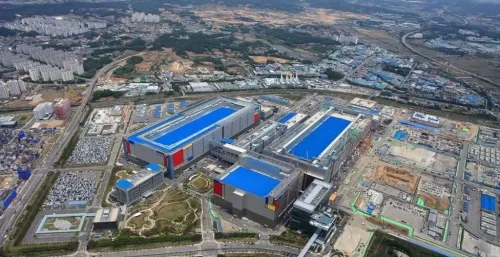
Amid the broad weakness, the semiconductor sector offered a degree of relief, with chip production rising 3.1 percent month-on-month. Investment in the machinery segment — including equipment used by chipmakers — also edged up 0.5 percent. These gains, however, were insufficient to offset the drag from autos and oil refining.
Retail Sales and Facility Investment Slide
Retail sales, a key measure of private consumption, contracted 3.6 percent in April. Sales of durable goods, including computers, dropped 11.1 percent, while nondurable goods such as gasoline edged down 1.1 percent. Sales of semidurable goods, including clothing, remained flat. Facility investment fell 3.6 percent, driven primarily by weaker outlays in the aviation industry.
What Officials Said
Lee Doo-won, a senior official at the data ministry, attributed the figures to a combination of factors. 'It appears the figures were affected both by a base effect following gains in February and March and by the Middle East war,' he said, adding: 'But compared with a year earlier, the upward trend has continued.'
The finance ministry separately noted that the declines followed disruptions in the supply of energy resources. It also flagged that 'uncertainties surrounding the Middle East war remain high, and burdens on the people continue due to the prolonged rise in oil prices.' The ministry pledged to 'make all-out efforts to minimise the economic fallout from the war by stabilising prices and supply chains while creating jobs and supporting domestic consumption.'
Outlook: May Expected to Rebound
Despite the April setback, the finance ministry expressed cautious optimism, noting that consumer sentiment recovered in May and business sentiment reached its highest level in 43 months. Officials expect the key indicators to rebound in May, though geopolitical risks tied to the Middle East remain a significant wildcard for the months ahead.
Point of View
But semiconductors cannot compensate for economy-wide demand destruction when consumers are squeezed by prolonged oil price inflation. The government's optimism about a May rebound rests on sentiment data, not structural fixes — and sentiment can reverse quickly if the conflict escalates further.
NationPress
19 Sept 2026
Frequently Asked Questions
Why did South Korea's industrial output fall in April?
South Korea's industrial output fell 0.6 percent in April primarily due to a 10 percent drop in automobile production and a 19.4 percent plunge in oil refining output, the latter linked to supply disruptions from the US-Iran conflict. A base effect following strong gains in February and March also contributed, according to ministry officials.
How bad was the drop in South Korea's oil refining output?
Oil refining output fell 19.4 percent in April, the steepest monthly decline since a 22.1 percent drop recorded in 1988. Officials attributed this to energy supply disruptions stemming from the Middle East conflict.
How did South Korea's retail sales perform in April?
Retail sales contracted 3.6 percent in April from the previous month. Durable goods sales, including computers, fell 11.1 percent, while nondurable goods such as gasoline edged down 1.1 percent. Semidurable goods, including clothing, were flat.
Was there any positive economic data from South Korea in April?
Yes — semiconductor production rose 3.1 percent month-on-month, and machinery investment, including chipmaker equipment, edged up 0.5 percent. The information and telecommunications segment also jumped 4.3 percent.
When is South Korea's economy expected to recover?
The finance ministry expects key indicators to rebound in May, citing a recovery in consumer sentiment and business sentiment reaching a 43-month high. However, officials cautioned that uncertainties from the Middle East conflict and elevated oil prices remain significant risks.