How Iran's Leadership Crisis Could Impact China's Strategy Towards Taiwan
Synopsis
As the world watches the turmoil surrounding Iran's leadership after Ayatollah Ali Khamenei's death, experts suggest this may affect China's geopolitical strategies, particularly concerning Taiwan. Discover how China's economic ties with Iran could influence its future actions.
Key Takeaways
China's economic ties with Iran are extensive.
Political stability in Iran is vital for China's interests.
The IRGC significantly influences Iran's political future.
Energy security is a major concern for China.
China's sanctions-evasion strategies may be tested in future crises.
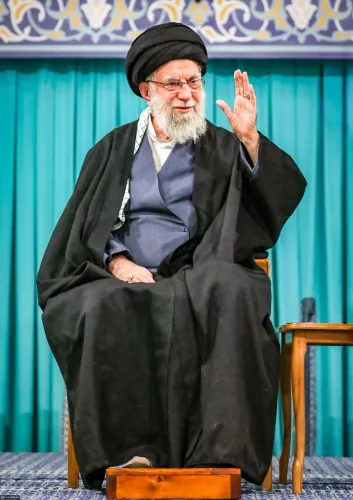
New Delhi, March 8 (NationPress) The increasing unpredictability surrounding the leadership of Iran following the passing of Supreme Leader Ayatollah Ali Khamenei is capturing worldwide attention, as analysts speculate on his potential successor, according to reports.
Yet, many experts argue that the more pressing concern is how this crisis will influence China’s long-term strategic approach, especially as Beijing braces for possible geopolitical conflicts related to Taiwan, as highlighted by the Taipei Times.
China maintains significant economic relations with Iran, being the top importer of Iranian crude oil. Last year, Beijing accounted for nearly 90% of Iran’s oil exports, translating to approximately 1.61 million barrels daily.
The two nations are also connected through a 25-year cooperation pact valued at around $400 billion, encompassing sectors such as energy, infrastructure, and trade. Due to these relationships, ensuring political stability in Iran is crucial for China's economic interests.
While China does not play an official role in Iran's leadership transition, analysts indicate that Beijing holds sway through its connections with influential entities like the Islamic Revolutionary Guard Corps (IRGC).
The Council on Foreign Relations notes that the IRGC is pivotal in shaping Iran's political landscape, and any new Supreme Leader would likely need its backing to govern effectively.
Reportedly, China has bolstered its ties with Iran's military establishment in recent years, especially following the demise of former Iranian president Ebrahim Raisi in 2024.
For Beijing, the dynamics in the Persian Gulf extend beyond merely safeguarding investments in Iran, as stated in the report.
Experts reveal that China has methodically established frameworks to navigate Western sanctions, including utilizing non-dollar payment systems and alternative shipping routes.
These strategies were partially developed while trading with Iran, yet specialists opine that they also act as a trial for how China might manage sanctions during a future crisis concerning Taiwan.
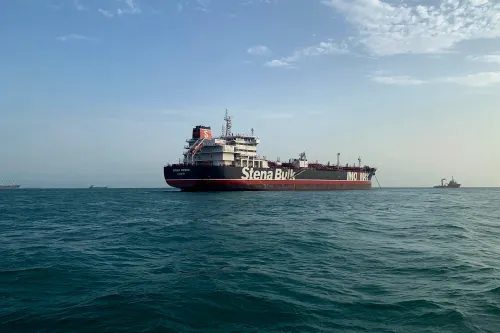
Energy security is a significant priority for China. A substantial proportion of the global oil supply transits through the Strait of Hormuz, with approximately 84% destined for Asian markets.
Last year, China imported around five million barrels daily via the strait, constituting nearly half of its complete crude imports. Consequently, any disruption in this corridor could severely impact China's industrial economy.
Energy analysts caution that should Iran obstruct or significantly disrupt the strait, global oil prices could escalate to between $100 and $130 per barrel.
This increase could decelerate China's economic growth at a time when the nation's economy is already grappling with challenges.
While China has amassed considerable strategic oil reserves, these stockpiles would offer only temporary respite in the event of an extended disruption.
Point of View
The ongoing situation in Iran presents significant implications for global politics, particularly concerning China's strategic maneuvers in the context of Taiwan. As these events unfold, a keen awareness of the interconnectedness of international relations is essential.
NationPress
3 Oct 2026
Frequently Asked Questions
What is the significance of Iran's leadership crisis for China?
Iran's leadership crisis poses potential risks for China's economic interests and its strategic approach towards Taiwan, as the situation may test China's sanctions-evasion mechanisms.
How does China's relationship with Iran affect its energy security?
China's close economic ties with Iran are crucial for its energy security, as significant oil imports from Iran pass through vital shipping routes.
What role does the IRGC play in Iran's political future?
The Islamic Revolutionary Guard Corps (IRGC) is a key player in shaping Iran's political landscape, and any new Supreme Leader will likely require IRGC support to govern effectively.
What could happen if Iran disrupts oil shipments?
If Iran were to obstruct oil shipments through the Strait of Hormuz, global oil prices could spike significantly, adversely affecting China's economy.
What strategies has China developed to circumvent sanctions?
China has established various mechanisms to bypass Western sanctions, including non-dollar payment systems and alternative shipping networks, partly developed through its trade with Iran.